
Free written scope consultation - allowances, timeline, and change-order rules on paper before a single trade is scheduled
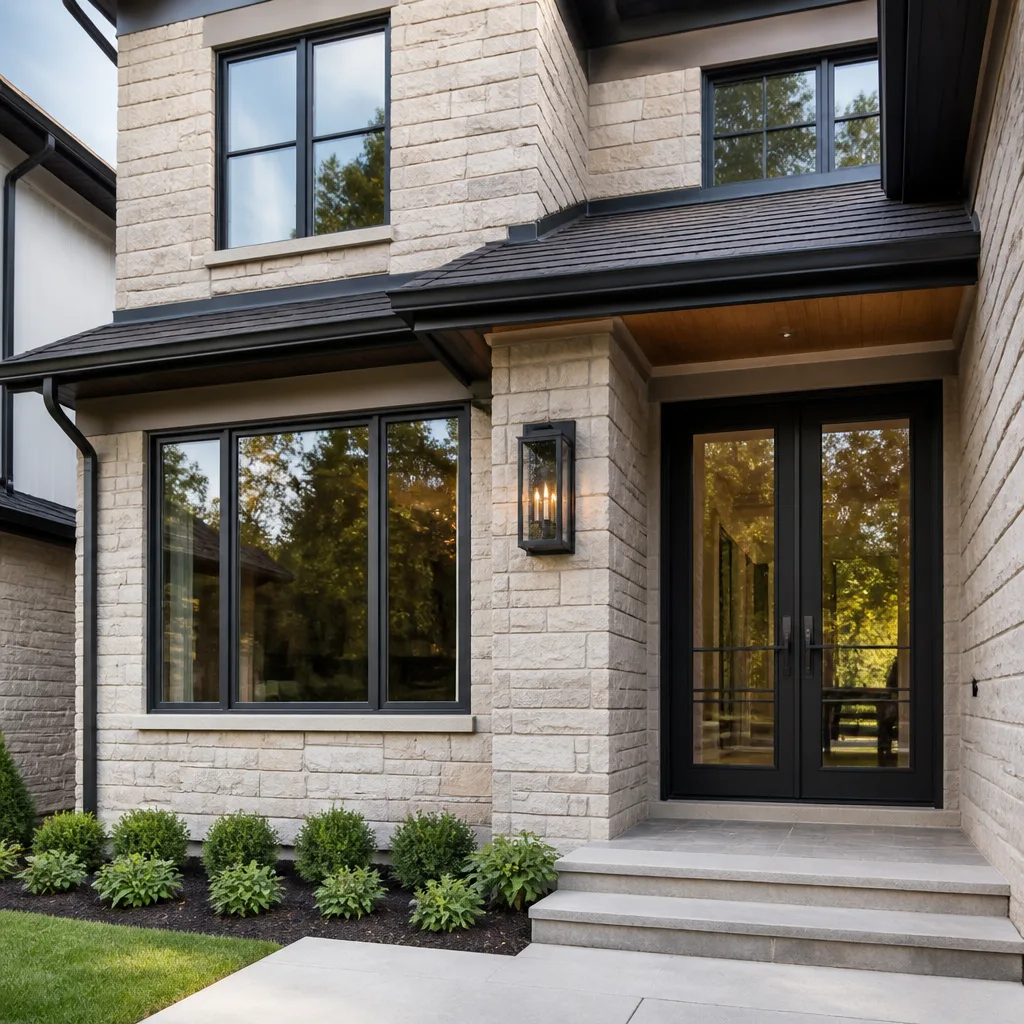
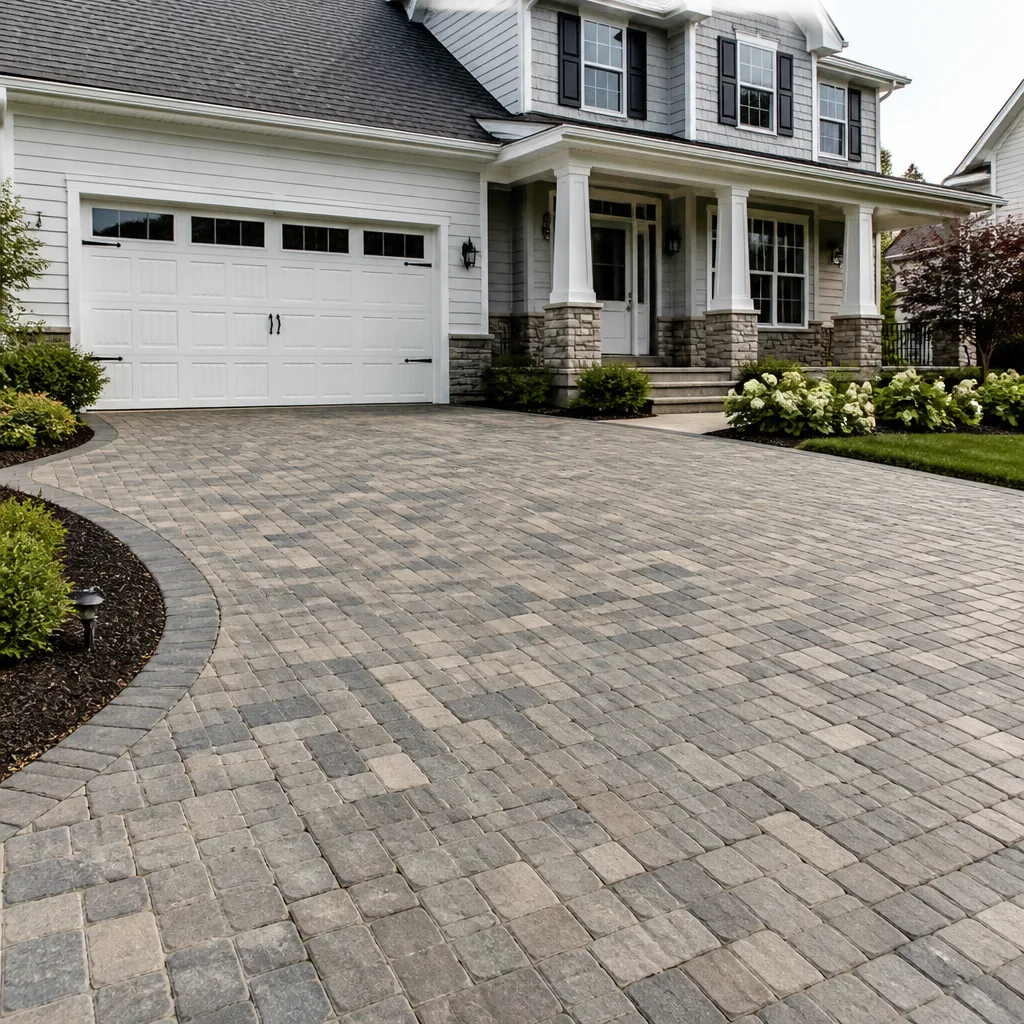
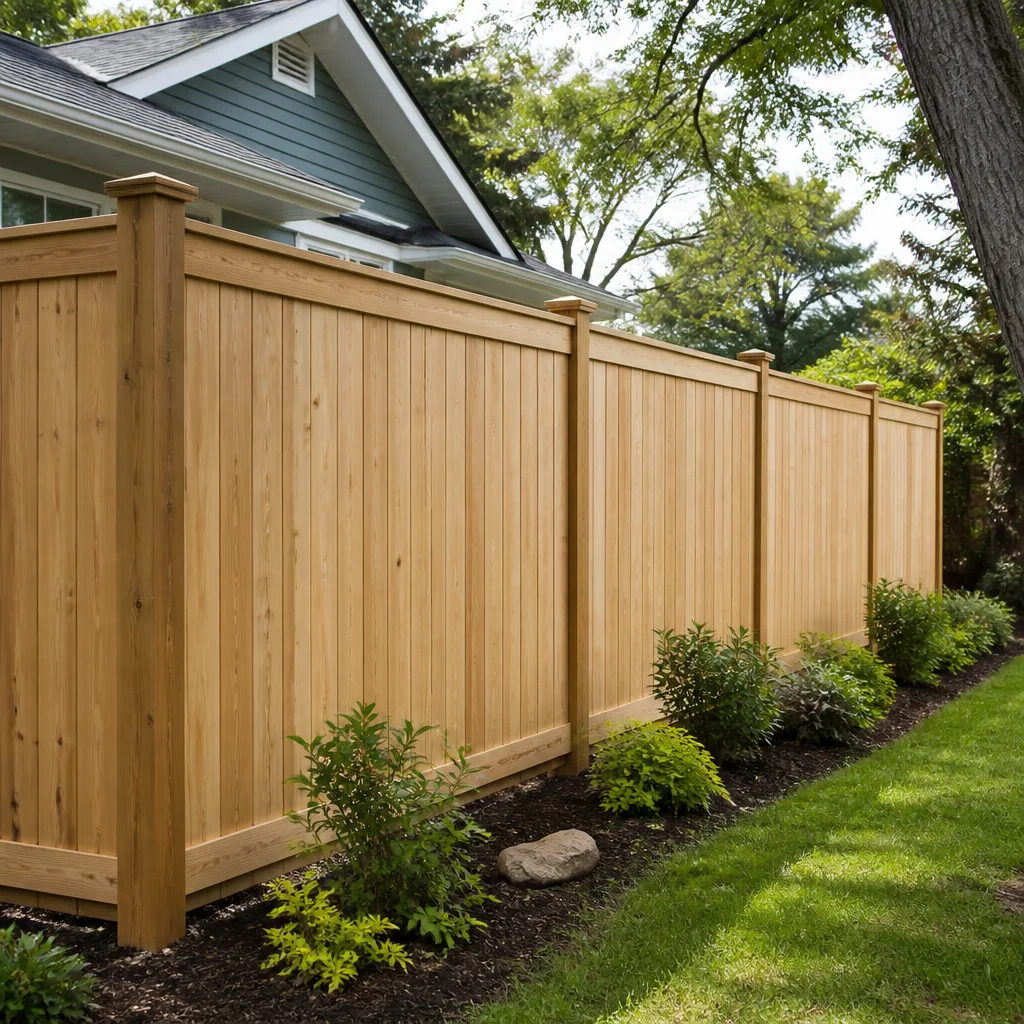
 Before
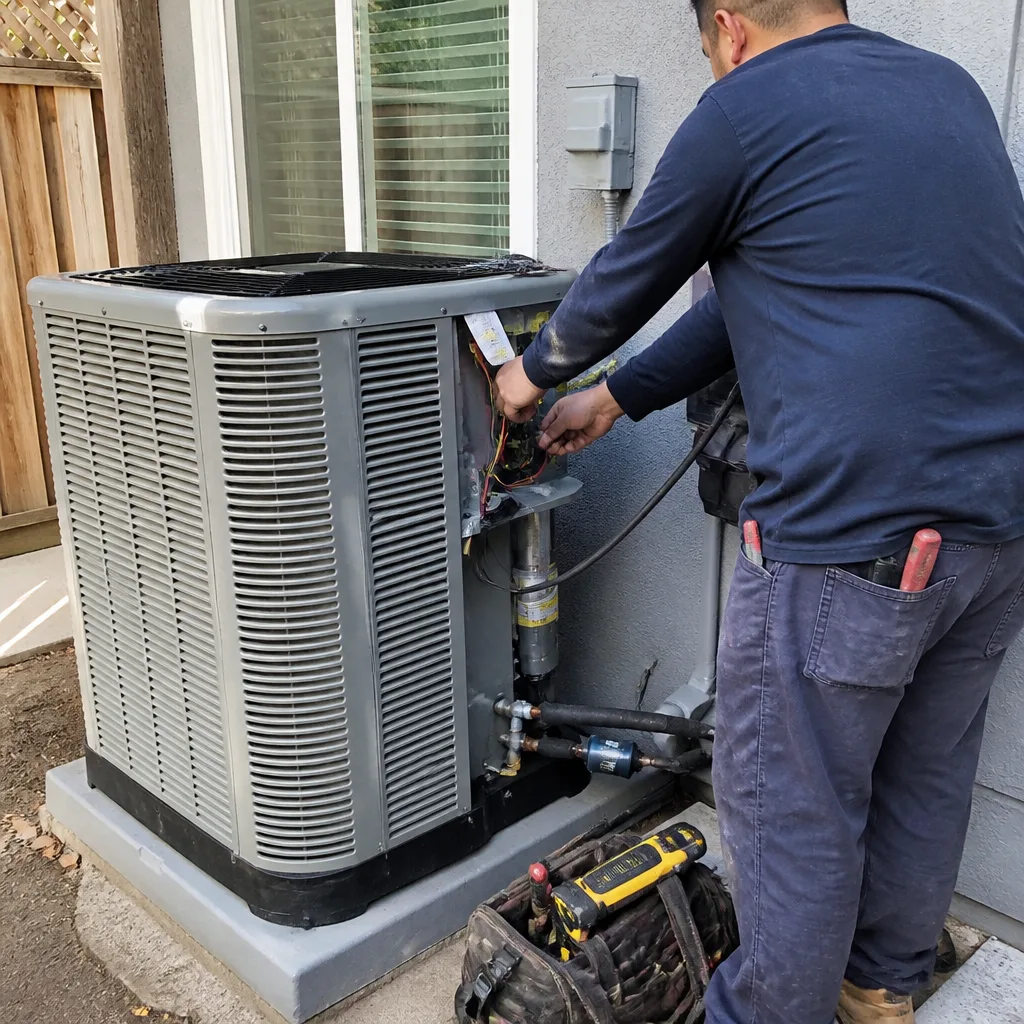 After
After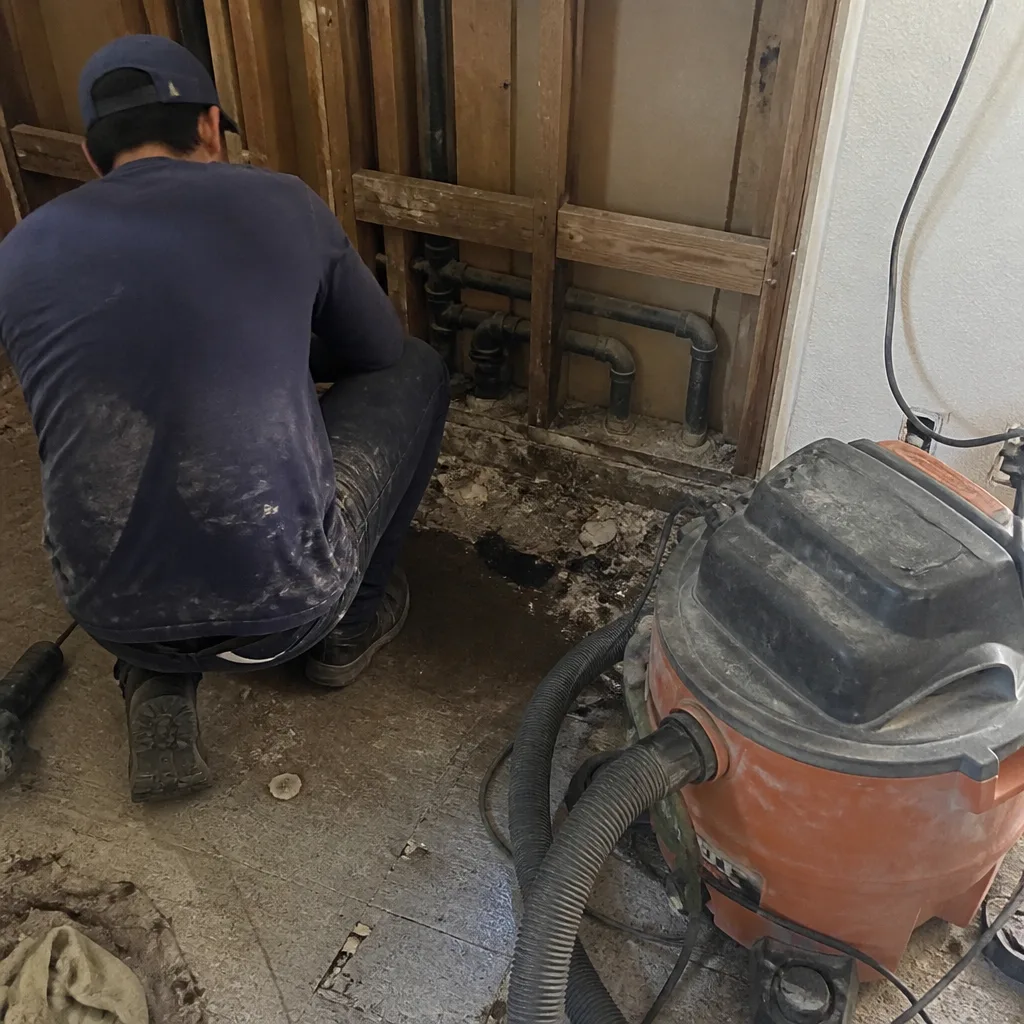 Before
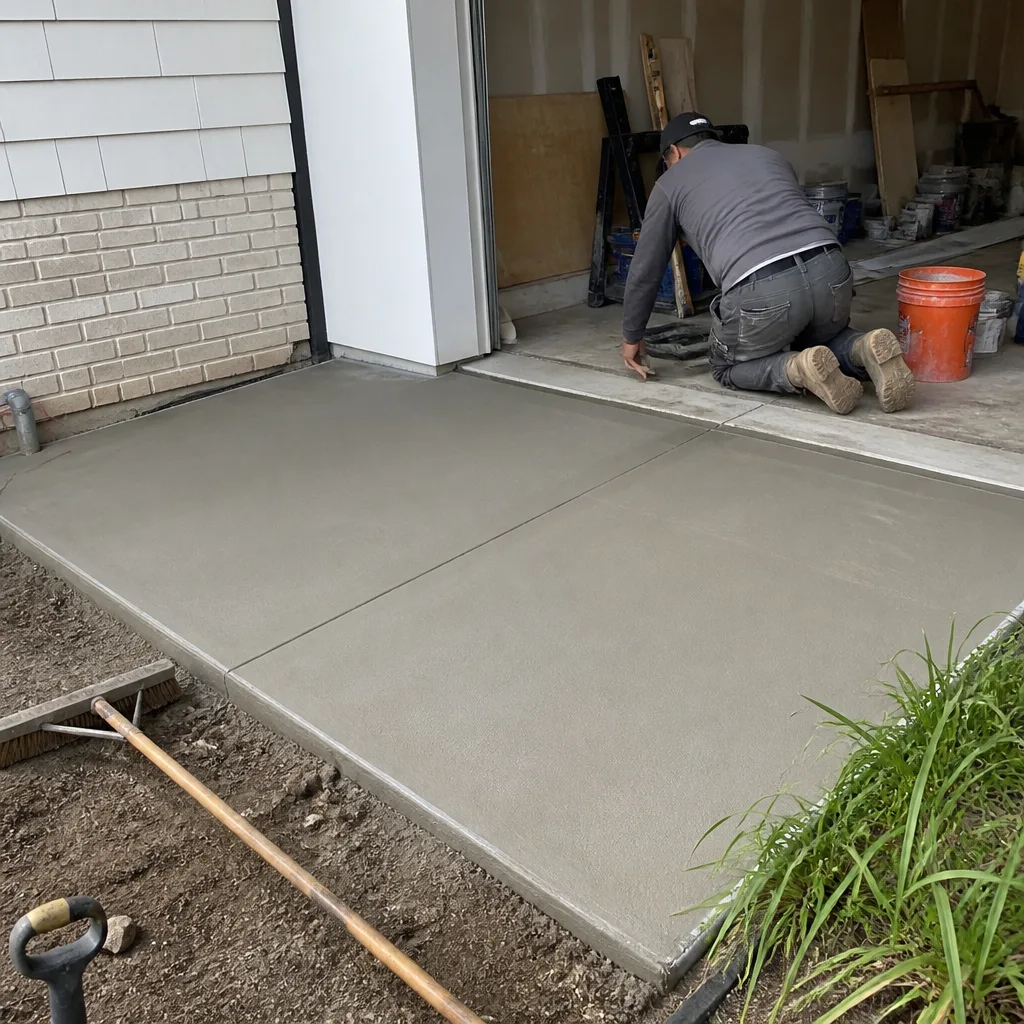 After
After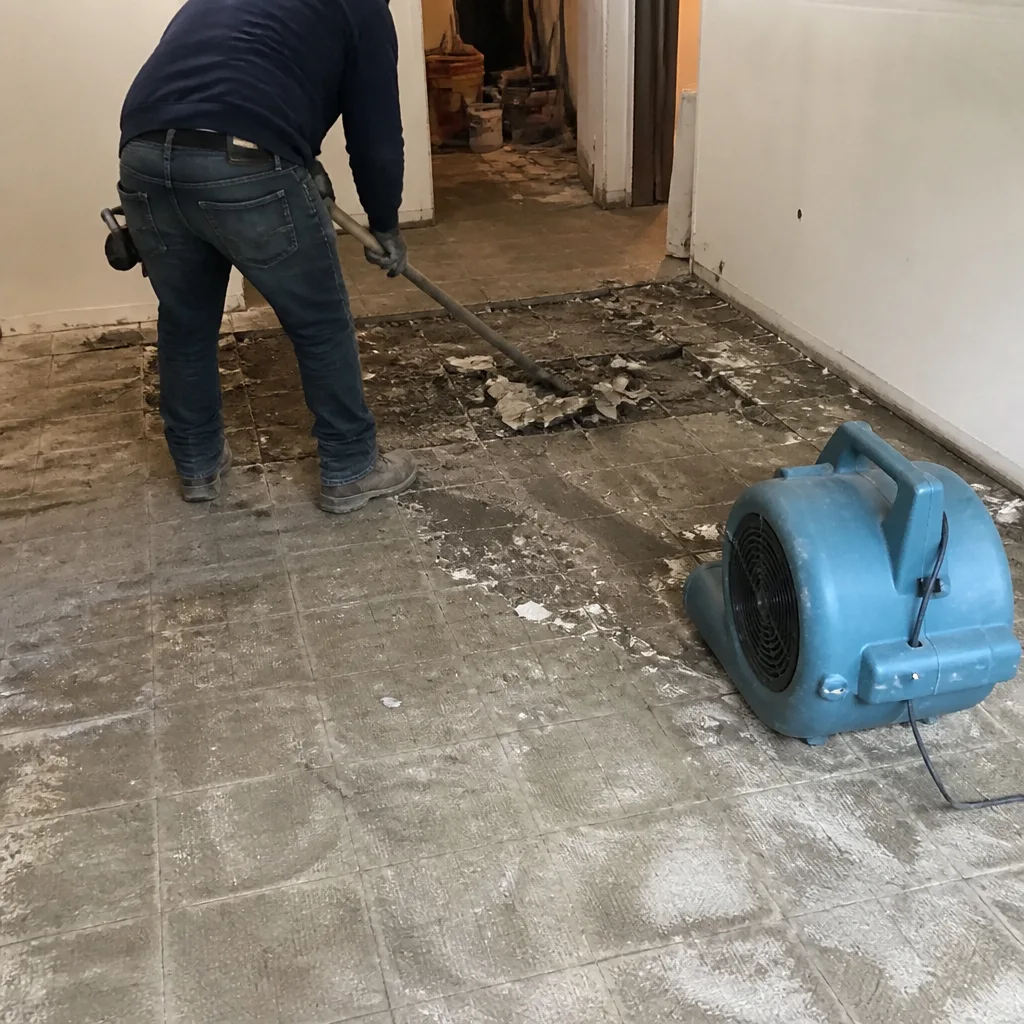 Before
 After
AfterJames Hardie Home Additions & ADU: The Sunnyvale Owner’s Guide
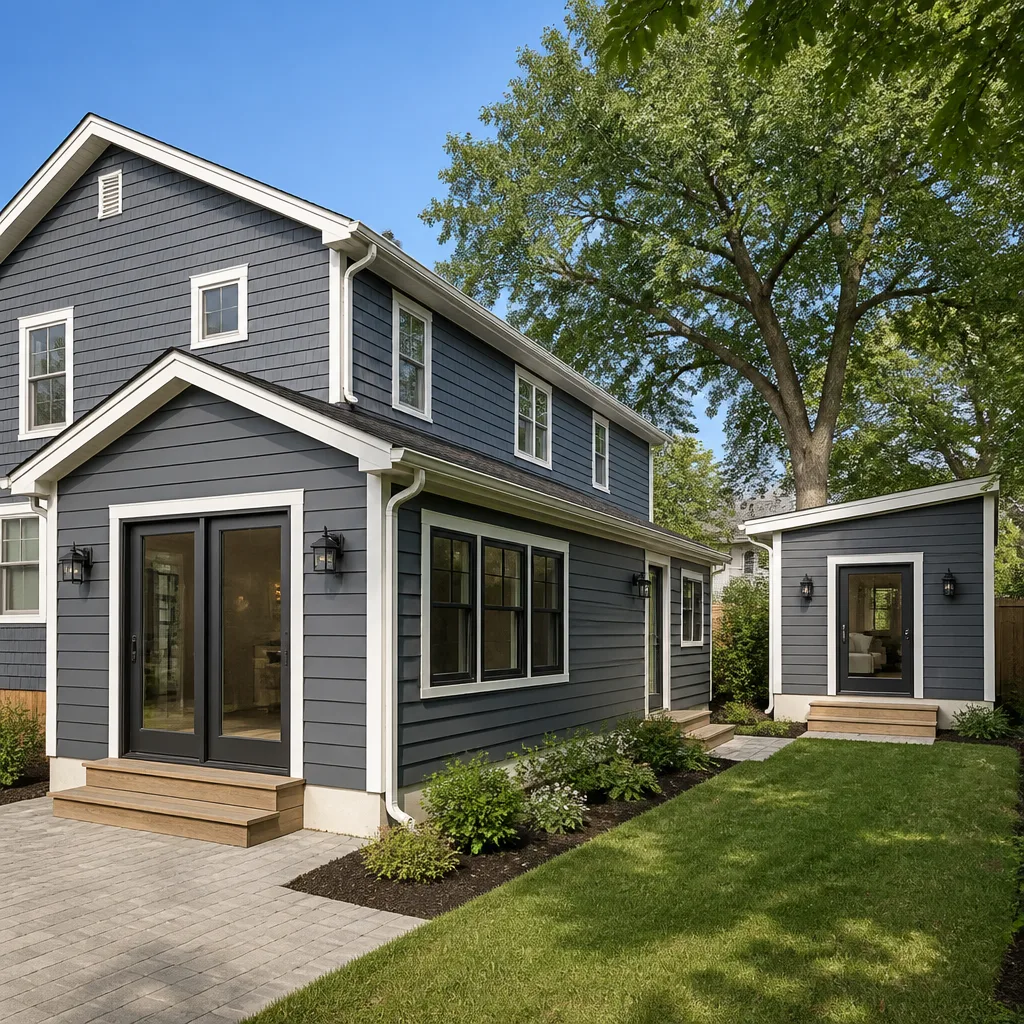
James Hardie siding and trim products are installed on most home additions and ADUs we build in Sunnyvale, with typical complete projects ranging from $45,000 to $130,000 for additions and $90,000 to $220,000 for standalone ADUs. We source James Hardie HardiePlank lap siding, HardiePanel vertical siding, and HardieTrim boards directly from authorized distributors in the Bay Area, and we stock common widths and colors to avoid the 4-6 week lead times that can derail permit schedules. In Sunnyvale’s climate, where morning fog off the bay traps moisture against north-facing walls, the fiber-cement composition of James Hardie products outlasts wood composites by a significant margin.
Most Sunnyvale owners discover their existing addition or ADU needs attention when they spot cracking in older siding near the weep screed (the perforated metal strip at the base of stucco or siding that lets water escape), or when a city inspector flags inadequate fire-rated separation between the main house and a garage conversion. Sometimes it’s water stains on the interior drywall of a 1980s in-law unit in Lakewood Village, traced back to failed flashing where the addition roof meets the original structure. The symptoms show up slowly, then suddenly.
Which James Hardie Products This Applies To
We specify James Hardie products for additions and ADUs across three main categories. HardiePlank lap siding comes in 5/16-inch and 7/16-inch thicknesses, with exposures of 4, 5, 6, 7, and 8 inches; the 6.25-inch exposure is what we use most often on Sunnyvale ranch-style additions to match original 1960s and 1970s profiles. HardiePanel vertical siding runs 4 feet by 8 or 10 feet, in stucco, smooth, or Sierra 8 textures; we use this on modern ADU facades where the architect wants a clean, uninterrupted plane. HardieTrim boards come in 3/4-inch, 1-inch, and 5/4-inch thicknesses for corners, fascia, and window surrounds.
Identifying what you have is straightforward if the original installer left the end-caps: James Hardie stamps a manufacturing date and product code on the back face of each board. If the siding is already painted, we measure thickness at a cut edge and check the nail pattern; HardiePlank requires 2-inch corrosion-resistant nails set 3/4 inch from the board edge, and the factory bevel leaves a distinctive shadow line. We do not use aftermarket fiber-cement substitutes; the warranty transfer and fire-rating documentation (critical for Sunnyvale’s Chapter 7A wildland-urban interface requirements) only holds with OEM material sourced through authorized channels.
Signs Your James Hardie Home Addition or ADU Needs Attention
- Soft or crumbling board edges near ground contact. Fiber cement is not waterproof; it is water-managed. When the weep screed is buried by landscaping or the foundation grade has shifted, capillary wicking destroys the board core from below. In Sunnyvale, where clay soils expand and contract with winter rains, we see this most on additions built before 2010 without proper clearance.
- Cracks radiating from nail heads. This is an installation error, not a product defect. James Hardie specifies face-nailing with a 1/8-inch gap at the nail head to allow for thermal movement; nails driven flush or over-tightened split the board and let water track in. We find this on DIY additions and on work by crews who treated fiber cement like wood.
- Paint failure or chalking after less than seven years. James Hardie ColorPlus finishes carry a 15-year warranty against fading and chalking; if you’re seeing degradation sooner, the boards were likely field-painted without the recommended primer, or the original ColorPlus coating was damaged during installation and touched up with incompatible paint.
- Gaps opening at butt joints or corner boards. HardiePlank requires 1/8-inch gaps at butt joints with factory-cut edges only; field cuts need sealing. Gaps wider than a nickel usually mean the installer skipped the joint flashing or used non-compliant caulk that lost elasticity in Sunnyvale’s summer heat.
- Interior moisture on addition walls during fog season. This is the delayed symptom. By the time drywall shows stains, the water-resistive barrier behind the siding has been compromised for months. We trace the entry point with a moisture meter, then remove boards in a controlled pattern to inspect the WRB and flashing integration at windows and roof-wall intersections.
 Before
 After
AfterReplacement Cost & What’s Included
| Project Scope | Typical Range in Sunnyvale | What’s Included |
|---|---|---|
| Partial re-siding (one wall, addition) | $8,000 - $18,000 | Removal, WRB replacement, HardiePlank install, paint match |
| Full addition re-siding | $18,000 - $35,000 | Complete strip, new WRB, full HardiePlank or Panel, trim, paint |
| New ADU siding (800-1,200 sq ft) | $22,000 - $45,000 | Material, labor, fasteners, flashing, ColorPlus or field paint |
| Garage conversion to ADU, full envelope | $30,000 - $80,000 | Structural, insulation, James Hardie siding, roof tie-in, permits |
The range depends on three factors: access (scaffolding vs. ground-level), the condition of what’s underneath (we replace rotted sheathing at $4-$7 per square foot when we find it), and whether the project triggers Title 24 energy compliance requiring continuous exterior insulation. We itemize each of these in our written quote before any work starts. Under Clause 1 of The Haven Standard, that written price is fixed; no change proceeds without a signed change order, which is why our projects finish within a few percent of the number we agreed to.
Our 365-Day Done Right Promise covers the installation workmanship. James Hardie’s own 30-year non-prorated product warranty transfers to the next owner if we register it properly, which we do on every job.
DIY or Call Us?
There is no safe DIY path for a full addition or ADU siding replacement. Fiber-cement boards weigh 2.3 pounds per square foot, and a 12-foot plank is awkward to handle alone; more critically, improper cutting without a HEPA vacuum attachment releases respirable silica dust that OSHA regulates strictly. We use specialized shears and track saws with dust collection, and our crews wear P100 respirators as standard practice.
What an owner can do: walk the perimeter with a screwdriver and probe any soft spots, photograph cracking patterns, and check whether the original ColorPlus warranty card was filed. What goes wrong quickly: cutting boards with a standard circular saw without dust control, nailing through the face without the specified gap, or failing to integrate new flashing with existing roof-to-wall intersections. These errors are expensive to reverse because fiber cement does not forgive moisture intrusion the way wood might.
Call (650) 405-3637 and we’ll schedule a free estimate. We bring material samples, measure for waste factors specific to your roofline complexity, and deliver a written line-item quote within 48 hours.
FAQs
In Sunnyvale’s Mediterranean climate, properly installed James Hardie fiber-cement siding lasts 30 to 50 years, with ColorPlus finishes holding 15 years before repainting is needed. The fog belt’s moisture cycling is actually less aggressive than freeze-thaw climates; the main local risk is salt air corrosion on fasteners if you’re within a mile of the bay, which is why we specify stainless steel nails on coastal-facing projects. Call (650) 405-3637 for an exact assessment of your existing siding’s condition - estimates are free.
Individual cracked or moisture-damaged HardiePlank boards can be removed and replaced without disturbing adjacent courses, provided the original installer left adequate expansion gaps and the underlying WRB is intact. We do not recommend patching with exterior filler; the thermal expansion differential between patch and board guarantees failure within two years. Our written quote will specify whether spot replacement or full-wall re-siding is the cost-effective path. Call (650) 405-3637 to schedule an inspection.
A typical 400-square-foot addition wall takes 3 to 4 working days from strip to final paint, assuming no sheathing replacement. A complete 1,000-square-foot ADU envelope runs 10 to 14 days, with permit inspections adding 2 to 3 days for WRB and final sign-off. We coordinate Sunnyvale Building Division inspections as part of our scope; you are not responsible for scheduling. Call (650) 405-3637 for a timeline tied to your specific project.
We stock the most common HardiePlank widths and ColorPlus colors at our Bay Area warehouse, and we maintain relationships with distributors in San Jose and Fremont for same-week pickup on less common profiles. Custom ColorPlus orders run 4 to 6 weeks; field-painted installations move faster since we prime and paint on-site with matching systems from Sherwin-Williams or Benjamin Moore. We also stock compatible trim, flashing, and fasteners from the same supply chain, so we’re not waiting on a subcontractor to deliver a critical piece. Call (650) 405-3637 to confirm availability for your color and profile.
Rowan Construction Group Sunnyvale is an independent contractor and is not affiliated with James Hardie Building Products. We also source and install materials from KraftMaid, Cambria, and Silestone where the project scope extends beyond the exterior envelope.
Grant Rowan still references the load calculation fundamentals he learned at Santa Monica College when scoping structural work on additions - “Measure it twice, write it down, then build it.” That discipline is what keeps our Sunnyvale projects, from Lakewood Village ranch expansions to new ADUs off El Camino Real, within the written price we agreed to.
Written by Grant Rowan, Owner, Rowan Construction Group Sunnyvale at Rowan Construction Group Sunnyvale, serving Sunnyvale and nearby areas.