
Free written scope consultation - allowances, timeline, and change-order rules on paper before a single trade is scheduled
 Before
 After
After Before
 After
After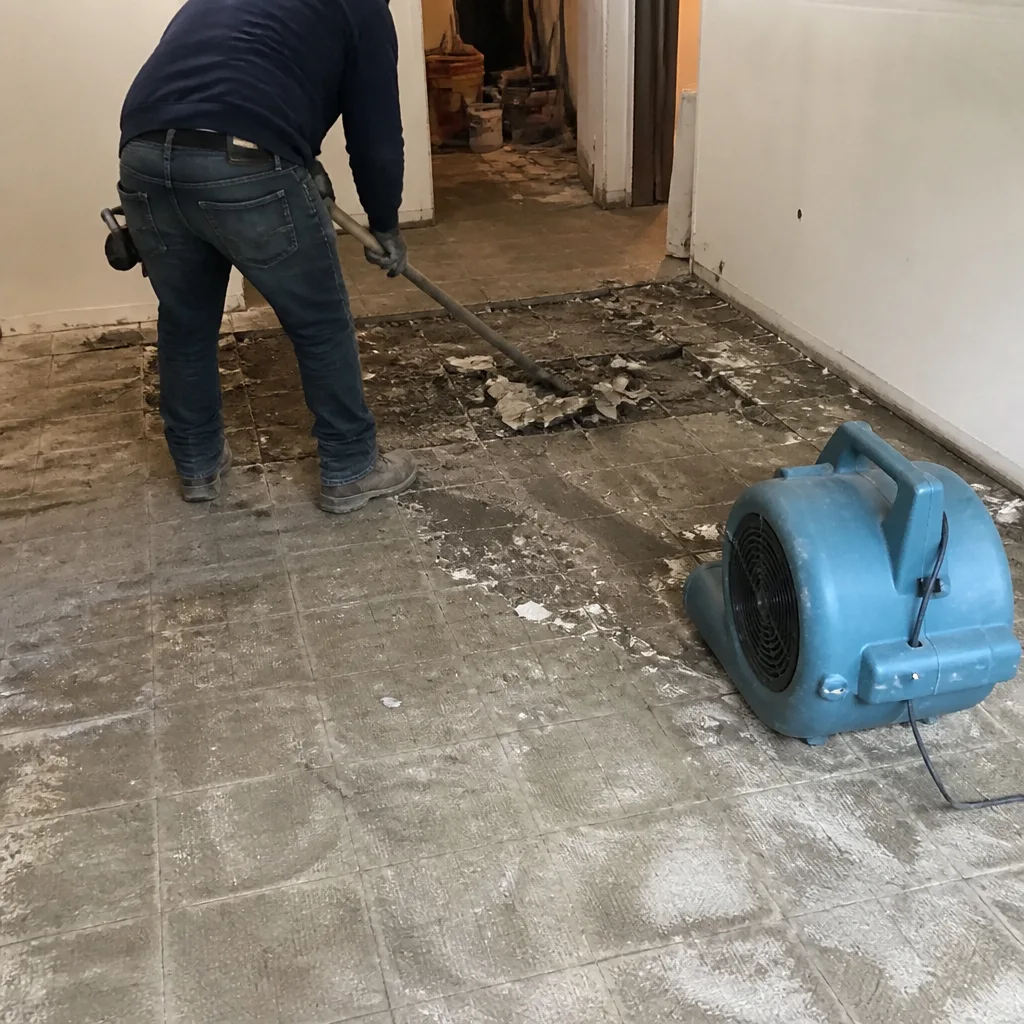 Before
 After
AfterHow Much Does Backsplash Installation Cost in Sunnyvale?
Backsplash installation in Sunnyvale, CA typically costs between $800 and $2,500 for a standard kitchen or bathroom, with most homeowners landing somewhere around $1,400 to $1,800 depending on the tile material and the complexity of the layout. Labor in Santa Clara County runs higher than the national average, so the material-to-labor split here tends to skew about 40/60 rather than the 50/50 you’ll see quoted in national guides. A straightforward subway tile installation behind a standard 30-square-foot kitchen counter can be done for under $1,100; a custom herringbone or mosaic pattern on handmade zellige tile in a Sunnyvale home’s showpiece kitchen can push toward $2,500 or beyond.
Backsplash Installation Cost Breakdown (2026)
Below are the line-item ranges Rowan Construction Group uses when quoting backsplash work in Sunnyvale. Every number on this page is drawn from actual project pricing in the South Bay market as of 2026 – not a national average dressed up in local clothes.
| Cost Item | Typical Range (Sunnyvale) | Notes |
|---|---|---|
| Basic ceramic or subway tile (material) | $1.50 – $5.00 per sq ft | 3×6 subway, solid field tile; widely stocked locally |
| Mid-range tile (material) | $5.00 – $15.00 per sq ft | Porcelain, glass, stone-look ceramic, printed patterns |
| Premium tile (material) | $15.00 – $40.00+ per sq ft | Zellige, handmade clay, large-format marble, designer mosaics |
| Labor – standard layout (running bond) | $10 – $16 per sq ft | Single-color field tile, no complex cuts |
| Labor – pattern layout (herringbone, offset, stacked vertical) | $14 – $22 per sq ft | More cuts, more waste, more time per square foot |
| Labor – mosaic or custom medallion | $20 – $35 per sq ft | Sheet-mounted mosaic or hand-placed pieces |
| Substrate prep (backer board, membrane) | $80 – $300 | If existing drywall is not tile-ready; required in wet areas |
| Tile removal (existing backsplash) | $150 – $500 | Depends on adhesion, substrate condition, and square footage |
| Outlet and switch cutouts | $15 – $35 each | Standard in most kitchens; precision cuts around GFCI plates |
| Grout and setting materials | $60 – $180 | Thinset, grout, grout sealer; sanded vs. unsanded by joint width |
| Full project total (standard kitchen backsplash) | $800 – $2,500 | 30-50 sq ft, mid-range tile, standard layout |
What Pushes the Price Up
The biggest single cost driver on any Sunnyvale backsplash project is tile selection. Going from a $3/sq ft ceramic to a $25/sq ft zellige can add $600 to $1,100 in material cost alone on a typical kitchen wall. The second driver is layout complexity: a herringbone pattern on the same square footage takes roughly 30 to 40 percent longer to set than a running bond, and in a market where skilled tile labor runs $10 to $22 per square foot, that time difference shows up clearly in the quote.
Substrate condition is the variable most homeowners don’t anticipate. A lot of Sunnyvale homes built in the 1960s and 1970s – particularly in the Lakewood Village and Cherry Chase neighborhoods – have original drywall behind the existing tile or painted surface. If that drywall is water-damaged, soft, or simply not rated for tile, it needs to come out before new tile goes up. Adding cement backer board or a waterproofing membrane to wet areas typically adds $80 to $300 to the job, but it’s not optional if you want the tile to stay put for the next decade.
Finally, if you’re working as part of a larger kitchen remodel – which many Sunnyvale homeowners do, given that kitchen remodels here typically run $14,000 to $45,000 – the backsplash is usually scheduled after countertops are in. Coordinating that sequence so the tile installer isn’t waiting on the countertop crew (or vice versa) affects the overall project timeline and occasionally the total labor cost if scheduling slips.
What Keeps the Price Down
Standard subway tile in a running bond pattern is the lowest-cost combination that still looks sharp. If you buy the tile yourself from a local supplier – there are several good ones in the Sunnyvale and Santa Clara area – and hand it off to the installer, you cut out any markup on materials. Keeping the layout to one field tile with no decorative liner or accent row also simplifies the installation and reduces both labor hours and material waste.
Scope matters too. A backsplash that runs only behind the range and stops at the cabinet sides is much faster to complete than one that wraps the entire perimeter of the kitchen. On a tight budget, a focused range-wall installation can land well under $1,000 using ceramic tile and straightforward labor.
What Affects Backsplash Installation Pricing in Sunnyvale
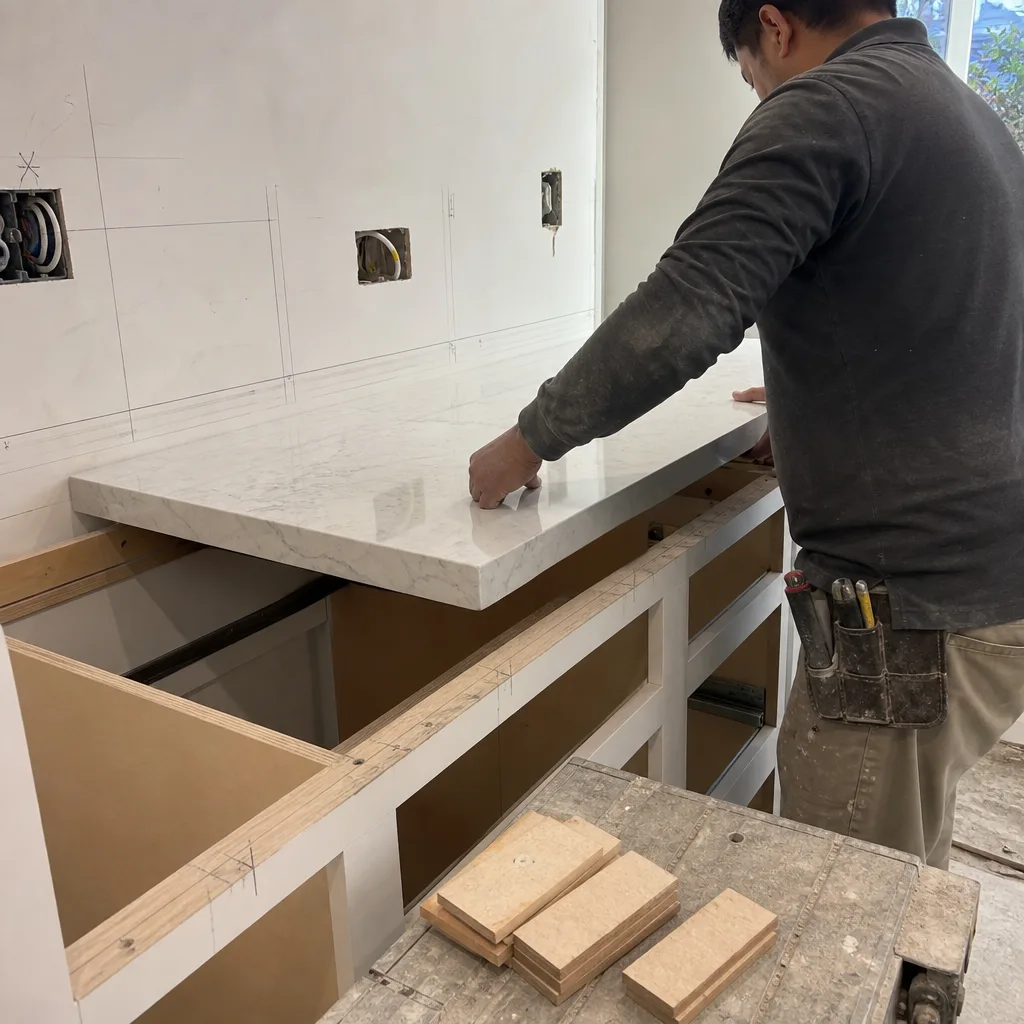
- Tile material and format: Ceramic and porcelain are the most predictable to price and install. Natural stone – travertine, marble, slate – requires sealing and sometimes back-buttering each piece individually, which raises labor time. Large-format tiles (anything over 12×24) need a flatter substrate and more care during setting to avoid lippage, the slight height difference between adjacent tiles that telegraphs under certain lighting. Each of these material choices has a direct labor multiplier.
- Square footage of the installation area: Most kitchen backsplashes in Sunnyvale fall between 25 and 55 square feet, accounting for windows, outlets, and upper cabinets. Smaller areas don’t necessarily mean proportionally cheaper labor – there’s a minimum mobilization cost for a tile installer regardless of how many square feet are on the wall – so very small jobs (under 15 sq ft) sometimes carry a higher per-square-foot cost than mid-size ones.
- Existing surface condition and removal: If there’s a current backsplash, removing it cleanly without damaging the drywall behind it is skilled work. Older adhesive-set tile in homes built before 1990 can bond extremely hard to the original substrate. In those cases, the drywall often comes off with the tile, and the wall prep cost climbs accordingly. Rowan’s crew photographs the substrate condition before and after demo – that photo record goes to the homeowner as a standard deliverable, not an add-on.
- Pattern complexity and cut volume: A simple stacked or running bond pattern has maybe one cut for every two or three full tiles. A 45-degree herringbone has a cut on almost every other tile, and a custom medallion or mural layout can involve cutting dozens of individual pieces to specific dimensions. More cuts mean more time, more blade wear, and more material waste – typically 10 to 15 percent overage on standard patterns, up to 20 percent on diagonals and complex designs.
- Outlet boxes, window returns, and obstacles: Every electrical outlet or switch in the backsplash zone requires a precise cutout in the tile. Most Sunnyvale kitchens have at least two to four outlets along the counter run. Each one adds a small amount of time; cumulatively, across a full kitchen perimeter, this can add $60 to $120 to the labor total. Window sills and returns – where the tile wraps the edge of a window opening – require bullnose tile or a finished edge treatment, which is both a material and labor add.
- Grout color and joint width choices: Grout color is often treated as a cosmetic decision, but joint width is a structural one. Tiles with a tight 1/16-inch joint require unsanded grout; wider joints require sanded. Some premium tiles – zellige in particular, which has natural variation in face flatness – need a wider joint to accommodate that variation gracefully. Epoxy grout, which is more stain-resistant and durable than cement-based grout, costs more to purchase and takes longer to work with, adding $50 to $150 to the material and labor total in most cases.
 Before
 After
AfterHow to Save on Backsplash Installation
The most direct way to control cost on a Sunnyvale backsplash is to lock in the tile choice before the installer schedules the job. Changes to tile selection after work is underway – switching from a 3×6 subway to a 4×12 stacked format, for example – can mean re-ordering, re-measuring waste, and in some cases re-cutting tiles that have already been set. Under the Haven Standard, no change proceeds without a signed change order, which means there’s a paper record of the cost impact before any new work starts. That discipline protects both parties, but it works best when the homeowner has made the material decision in advance.
Practical Ways to Reduce the Total
- Choose a field tile with a finished edge: Some tiles come from the manufacturer with a glazed or rectified edge, which means you don’t need a separate bullnose tile at exposed ends. Bullnose pieces are sometimes priced at two to three times the field tile cost per piece, so eliminating them matters on a project with multiple exposed edges.
- Buy 10 percent more tile than the measured area: Ordering a second delivery for three extra tiles because the first order ran short costs more in delivery fees and delays than simply building in the right overage up front. For diagonal or herringbone patterns, order 15 to 20 percent extra.
- Keep the layout to one material: Mixing a field tile with a decorative liner, a pencil trim, and an accent row multiplies both material SKUs and installation steps. A single well-chosen tile, installed cleanly, typically looks sharper anyway.
- Combine the backsplash with other kitchen work: If you’re already having countertops installed – a project that typically runs $2,000 to $6,500 in Sunnyvale – scheduling the backsplash immediately after reduces mobilization costs. The countertop installation and the tile work share a site visit window instead of requiring two separate trips.
- Get a written price before committing: This sounds obvious, but a lot of Sunnyvale homeowners receive a verbal estimate and proceed on that basis, only to find the final invoice reflects conditions the contractor noticed once work started. A written price with a written scope – which is how Rowan quotes every job, on every trade – makes that kind of surprise structurally impossible. Call (650) 405-3637 for a free written estimate with no obligation to proceed.
- Use the Free Second Opinion: If you already have a written quote from another contractor, bring it to Rowan and we’ll review it line by line at no charge. That review has caught everything from missing substrate prep line items to tile quantity math that was off by 20 percent – errors that would have shown up as change orders mid-project.
When Saving Money Is the Wrong Goal
There are a few cost-cutting moves that look attractive on paper and create problems within a year or two. Skipping the waterproofing membrane in a backsplash behind the kitchen sink is the most common one. A standard drywall substrate is fine for a low-splash area like a range wall, but the zone directly behind the sink sees enough moisture – from dish washing, rinsing, and the occasional splatter – that untreated drywall can soften and mold behind the tile within two to three years. Adding a membrane costs $80 to $150 and is worth every dollar in that specific location. The same applies to grout sealing: unsealed grout in a kitchen backsplash picks up cooking oils and grease that discolor it permanently within months. Sealing is a 30-minute step that costs under $50 in materials.
Tile installation is also not a strong candidate for full DIY on most Sunnyvale properties. Cutting porcelain and glass tile accurately requires a wet saw, experience reading the variation in individual tile faces, and a methodical approach to layout lines that prevents the whole installation from walking off-center over the course of 40 or 50 square feet. The savings on labor are real, but so is the cost of re-doing a job where the grout lines drifted or the cuts at the cabinet edge were inconsistent.
How Rowan Construction Group Approaches Backsplash Projects in Sunnyvale
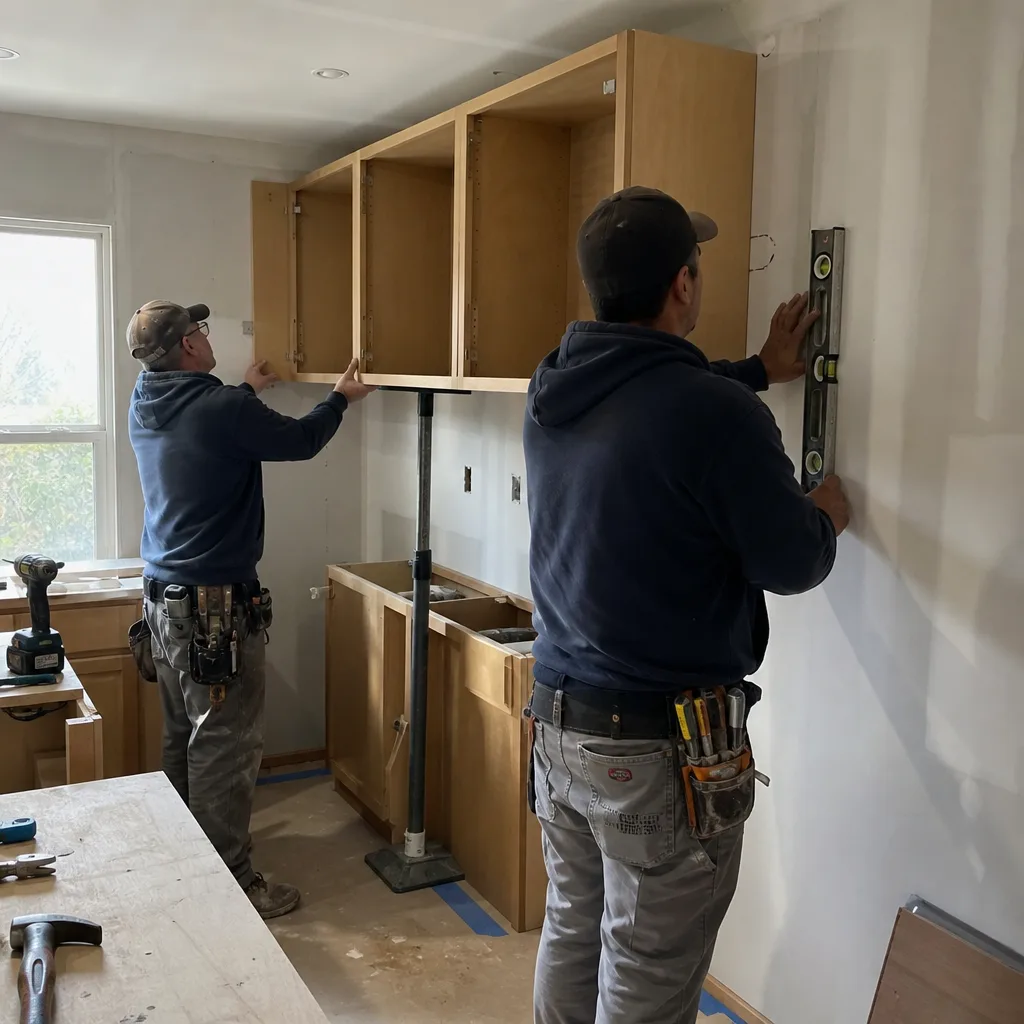
Grant Rowan established Rowan Construction Group in 2007 with a straightforward premise: write the price down before anyone touches a tool. That rule has held across more than 4,000 projects since, including hundreds of tile installations across Sunnyvale and the surrounding South Bay. The written price is a flat number with a written scope attached – not a range with a footnote, not a “starting at” figure that climbs once the crew sees the wall.
On backsplash projects specifically, here’s how the process runs. The initial visit includes a substrate assessment – the crew checks whether the existing surface is tile-ready, notes the outlet count, measures the actual square footage including deductions for windows and uppers, and documents the current condition with photographs. That photo record goes to the homeowner before work starts, so the baseline is documented. Then the written quote is delivered. If the homeowner has a competing written estimate, the Free Second Opinion review happens at that stage.
Once work begins, the crew sets the tile to the agreed layout, makes all outlet and switch cutouts, applies grout in the specified color and joint width, and seals the grout on completion. A final photo record documents the finished installation. If anything is not right within 365 days of completion, the 365-Day Done Right Promise means Rowan comes back and makes it right – that’s not a handshake, it’s printed in the Haven Standard terms.
For homeowners doing a Backsplash Installation in Sunnyvale as part of a larger kitchen project, Rowan coordinates the tile schedule around countertop delivery and cabinet installation so the sequence runs in the right order without gaps or backtracking.
From our home page you can see all seven trades Rowan covers – kitchen, bathroom, roofing, windows and doors, fence, driveway and pavers, and home additions including ADUs – which is relevant if your backsplash project is one piece of a larger renovation plan.
Backsplash Materials: A Practical Comparison for Sunnyvale Homes
Material choice is where most Sunnyvale homeowners spend the most time before calling a contractor, so it’s worth laying out the tradeoffs plainly.
Ceramic and Porcelain Tile
Ceramic is the baseline: predictable to cut, widely available, and easy to grout. A standard 3×6 white subway tile from a reputable manufacturer costs $1.50 to $4.00 per square foot and has been installed in South Bay kitchens for decades without issue. Porcelain is denser and harder, which makes it slightly more durable and more water-resistant, but also marginally harder to cut accurately. The aesthetic range in porcelain has expanded significantly in the last five years – there are convincing marble-look and concrete-look porcelain tiles available locally in the $6 to $12 per square foot range that photograph extremely well and hold up better than natural stone in a kitchen environment.
Glass Tile
Glass tile is popular in Sunnyvale and Mountain View kitchens for the light-reflective quality it adds to smaller galley layouts. The installation challenge is that glass requires a white thinset (standard gray thinset shows through the tile face), clean back-buttering, and a tile saw blade rated for glass cutting. Poorly cut glass chips along the edge rather than scoring cleanly, which is noticeable at close range. Material costs for glass tile typically run $8 to $20 per square foot; labor runs at the mid-to-upper end of the range because of the cutting precision required.
Natural Stone
Marble, travertine, and slate backsplashes appear most often in higher-end Sunnyvale renovations – the kind that accompany a full kitchen remodel at the $25,000 to $45,000 end of the range. Natural stone is porous and requires sealing at installation and again annually in a kitchen environment. Travertine has natural voids in the surface that need to be filled before use in a kitchen, or they collect grease and become permanent stains. None of this is a reason to avoid natural stone, but it needs to be documented in the scope so the homeowner knows what maintenance they’re signing up for.
Zellige and Handmade Tile
Zellige is a Moroccan-origin handmade clay tile with an irregular glaze and surface variation that gives it a depth flat tile can’t replicate. It has become the backsplash specification in a meaningful number of Sunnyvale kitchen renovations over the last three years, particularly in the $30,000-plus kitchen project range. The installation challenge is that no two pieces are exactly the same thickness or flatness, so the setter needs wider grout joints and more patience with layout to get an even result. Material costs run $18 to $40 per square foot from reputable importers; labor is at the top of the range. The result, when done well, is genuinely different from anything that comes off a standard tile press.
Backsplash and Kitchen Remodel Cost Context
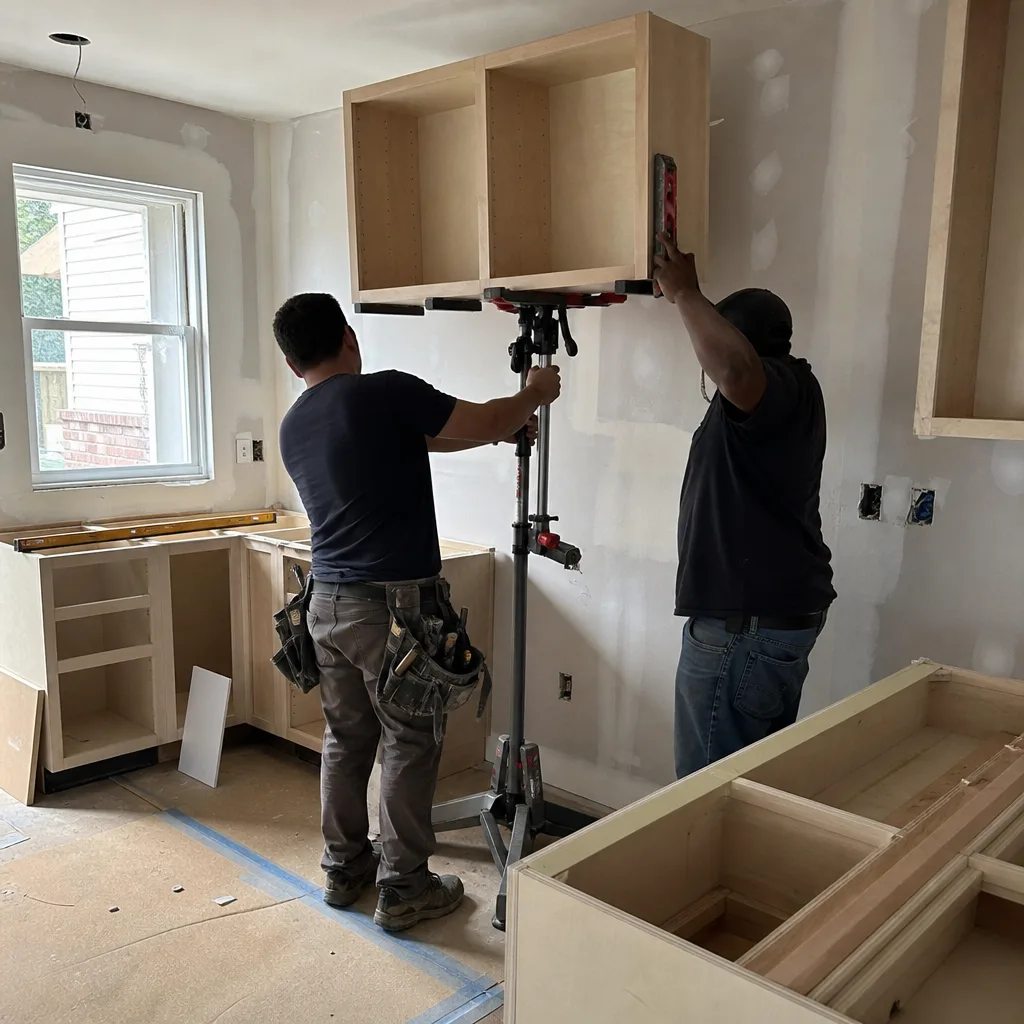
It’s useful to see the backsplash number in context with the other major line items in a Sunnyvale kitchen renovation. The table below puts the $800 to $2,500 backsplash range alongside the components it’s typically installed alongside.
| Kitchen Component | Typical Sunnyvale Cost Range (2026) |
|---|---|
| Backsplash Installation | $800 – $2,500 |
| Countertop Installation | $2,000 – $6,500 |
| Cabinet Installation | $4,000 – $13,000 |
| Kitchen Island Installation | $3,000 – $10,000 |
| Small Kitchen Remodel (full scope) | $9,000 – $20,000 |
| Full Kitchen Remodel | $14,000 – $45,000 |
For most Sunnyvale homeowners doing a full kitchen remodel, the backsplash is 5 to 8 percent of the total project cost. That proportion matters when making material decisions: a $600 upgrade from standard subway to zellige tile is a meaningful cost difference on a standalone backsplash project but a smaller percentage decision in the context of a $30,000 kitchen scope.
FAQs – Backsplash Installation Cost in Sunnyvale
How much does backsplash installation cost in Sunnyvale, CA?
Backsplash installation in Sunnyvale typically costs $800 to $2,500 for a standard kitchen, covering 30 to 50 square feet with mid-range tile and a standard layout. Most projects in the $1,200 to $1,800 range use porcelain or glass tile in a running bond or stacked pattern. Premium tile choices – zellige, handmade ceramic, large-format marble – and complex pattern layouts push toward the $2,500 ceiling. Call (650) 405-3637 for a free written estimate specific to your kitchen dimensions and tile choice.
How long does backsplash installation take?
A standard kitchen backsplash of 30 to 50 square feet typically takes one to two days to complete: most of day one is setting the tile, and grout is applied after the thinset has cured, usually the following morning. Larger installations or complex patterns can extend to three days. The tile installation itself is fast; the curing time is not negotiable – grout applied too early over uncured thinset will crack or pop loose. Rowan schedules grout application only after the thinset has reached its rated cure time, which is documented in the project photo record.
Do I need a permit for backsplash installation in Sunnyvale?
A standard backsplash tile installation in Sunnyvale does not require a building permit from the City of Sunnyvale Community Development Department, provided it is a like-for-like surface installation with no structural or electrical work involved. If the project includes moving or adding electrical outlets – which occasionally comes up in kitchen remodels – that electrical work does require a permit. Rowan coordinates any required permits as part of the written project scope; no permit work is handled informally or skipped.
Is it cheaper to do backsplash myself or hire a contractor?
DIY labor is free, but the actual savings are smaller than they appear once you account for tool rental or purchase (a quality wet saw runs $150 to $300 to rent for a weekend), material waste from learning cuts, and the cost of correcting errors – particularly on glass or natural stone where a chipped cut is visible and not reversible without replacing the piece. In the Sunnyvale market, where professional tile labor runs $10 to $22 per square foot, the DIY labor savings on a 40-square-foot kitchen backsplash might be $400 to $800. Against that, weigh the risk of a drift in layout lines or uneven grout joints that you’ll see every day in your kitchen. For straightforward ceramic subway tile in a running bond, an experienced DIYer with a steady hand can get a good result. For glass, stone, or any pattern layout, the tile installer’s experience is the thing being purchased, not just the labor hours.
Can Rowan give me a written quote before I commit?
Yes – a written price before any work starts is how every Rowan project is quoted, on every trade, without exception. That’s Clause 1 of the Haven Standard: the number is in writing, the scope is in writing, and no work proceeds until both are agreed. There is no “call for a quote” ambiguity here; the written quote is the process, not an option. Call (650) 405-3637 to schedule the estimate visit. If you already have a written estimate from another Sunnyvale contractor, the Free Second Opinion is available at no charge – Grant Rowan or a member of the Rowan team will review it line by line and explain any differences.
What tile brands does Rowan work with in Sunnyvale?
Rowan sources across more than fifty vetted material brands and works with whatever tile the homeowner specifies, including customer-supplied material. The sourcing depth matters for pricing accuracy: because Rowan has established relationships with tile distributors serving the South Bay, the written quote reflects real current pricing rather than a padded placeholder. If you’re still deciding on tile, the estimate visit is a good time to talk through options at specific price points – that conversation costs nothing and doesn’t obligate you to proceed.
Key Takeaways
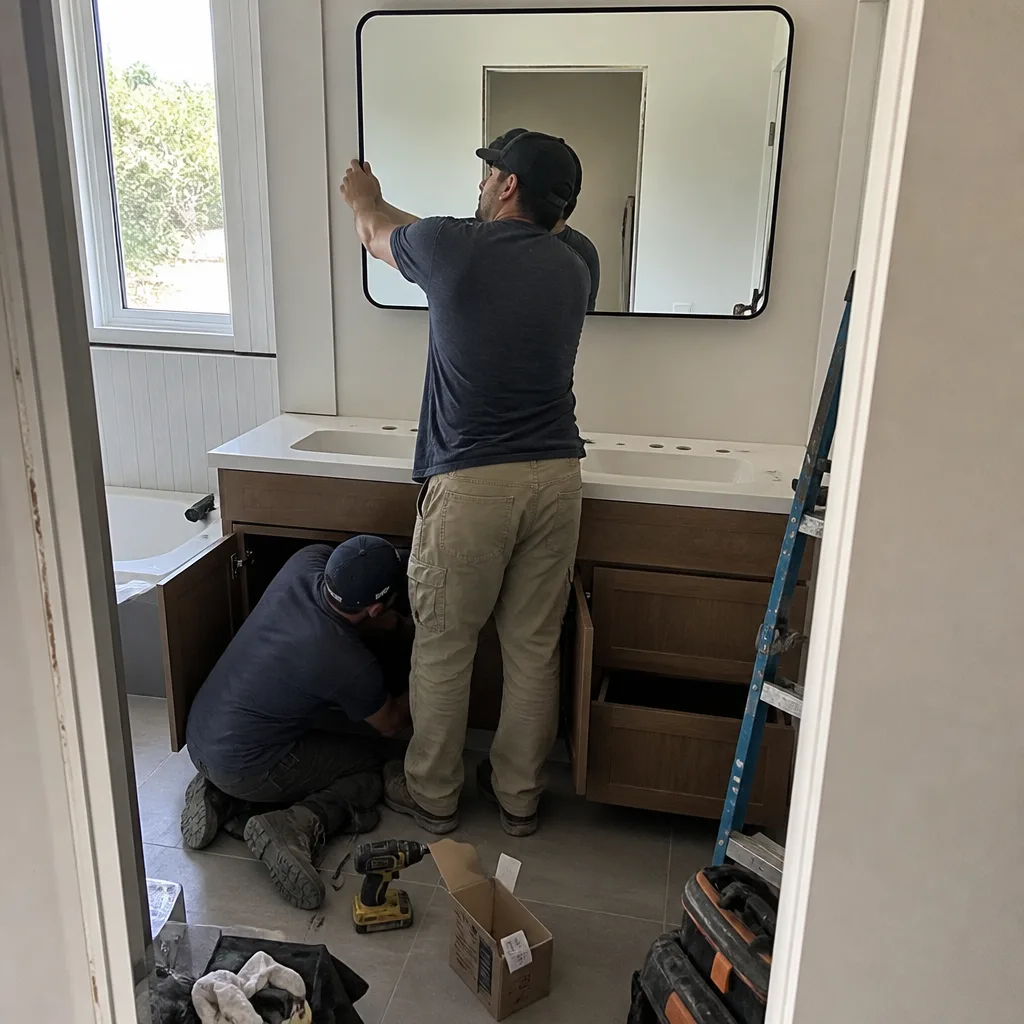
- Backsplash installation in Sunnyvale costs $800 to $2,500 for a standard kitchen, with most mid-range projects landing at $1,200 to $1,800.
- The biggest cost variables are tile material (ceramic vs. glass vs. zellige vs. natural stone) and layout pattern (running bond vs. herringbone vs. mosaic).
- Substrate condition and removal of an existing backsplash can add $150 to $500 to the total – this is the variable most often missed in initial verbal estimates.
- A waterproofing membrane behind the sink zone is not optional if you want the installation to last; skipping it to save $80 to $150 is a false economy.
- Every Rowan project comes with a written price before work starts, a documented photo record, and the 365-Day Done Right Promise.
- The Free Second Opinion on any written competitor estimate is a standing offer – bring the quote, and Rowan reviews it at no charge.
- No permit is required for a standard backsplash tile installation in Sunnyvale; electrical modifications are the exception.
Get a Written Backsplash Installation Quote in Sunnyvale
Grant Rowan and the Rowan Construction Group crew have been quoting and installing backsplashes in Sunnyvale since 2007. The estimate is free, the price is written down before any work starts, and if you have a competing quote, the Free Second Opinion costs nothing. Call (650) 405-3637 to schedule your estimate visit – a live person answers the phone, not a voicemail system, and the crew is background-checked and uniformed when they arrive. That’s how more than 4,000 Rowan projects have started, and it’s how yours will too.
Pricing reflects the Sunnyvale market as of 2026. Rowan Construction Group Sunnyvale offers free estimates – call (650) 405-3637.
Written by Grant Rowan, Owner at Rowan Construction Group, serving Sunnyvale since 2007.
What Our Customers Say
"Fence and retaining wall along a sloped boundary. They photographed the footing depth at each post, which mattered when the county inspector came."
- Iona F."Talked us out of the larger scope we came in asking for, because it would not have added the value we thought."
- Emil R."Final invoice was within two percent of the contract. Every change was priced and signed before anyone picked up a tool."
- Malcolm T.