
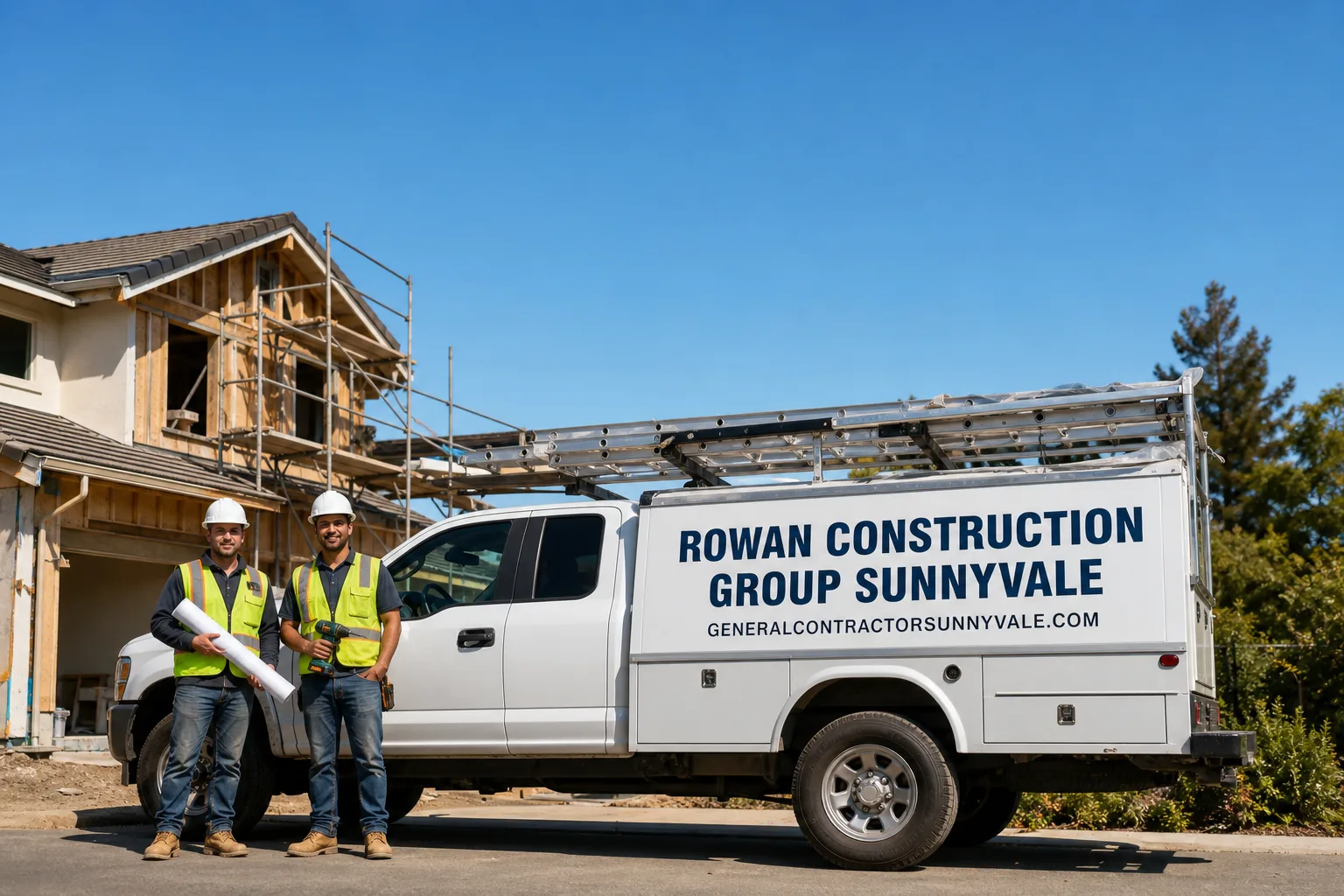
Free written scope consultation - allowances, timeline, and change-order rules on paper before a single trade is scheduled
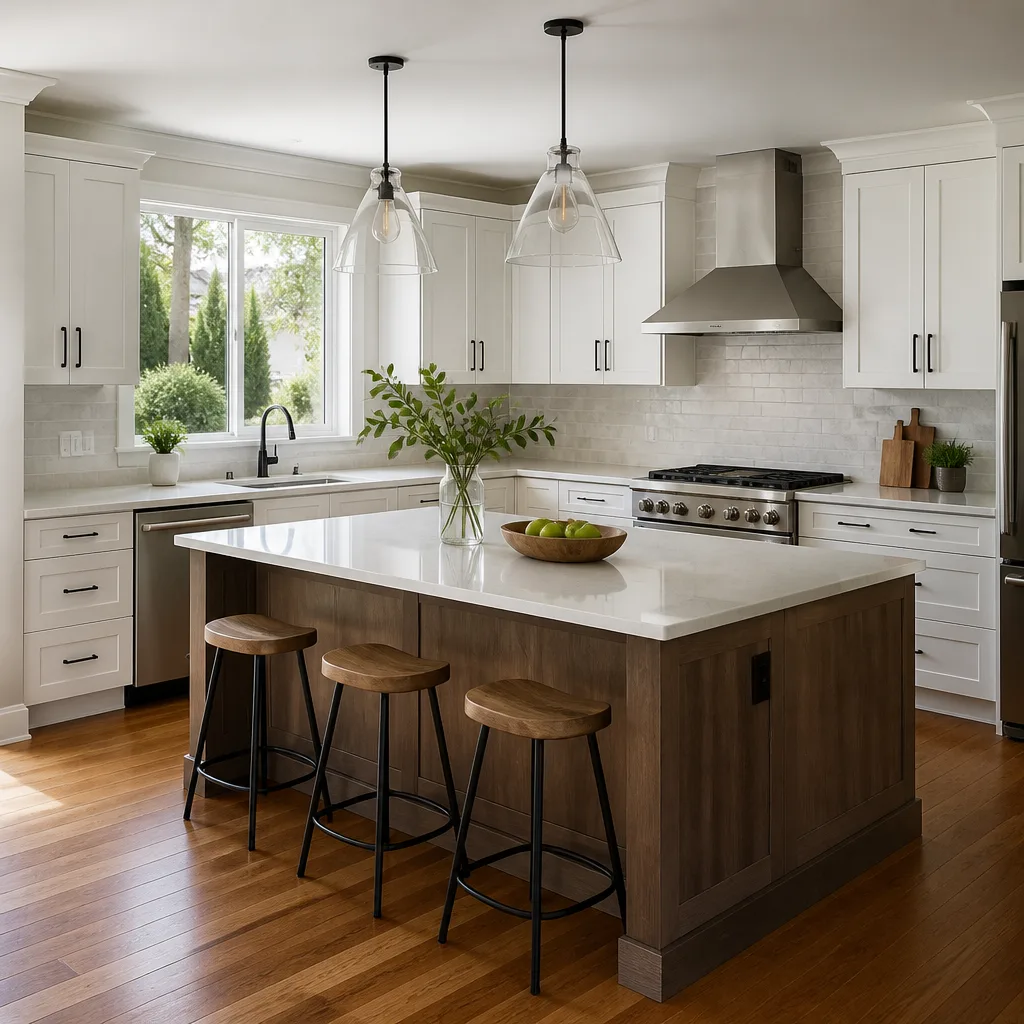
 Before
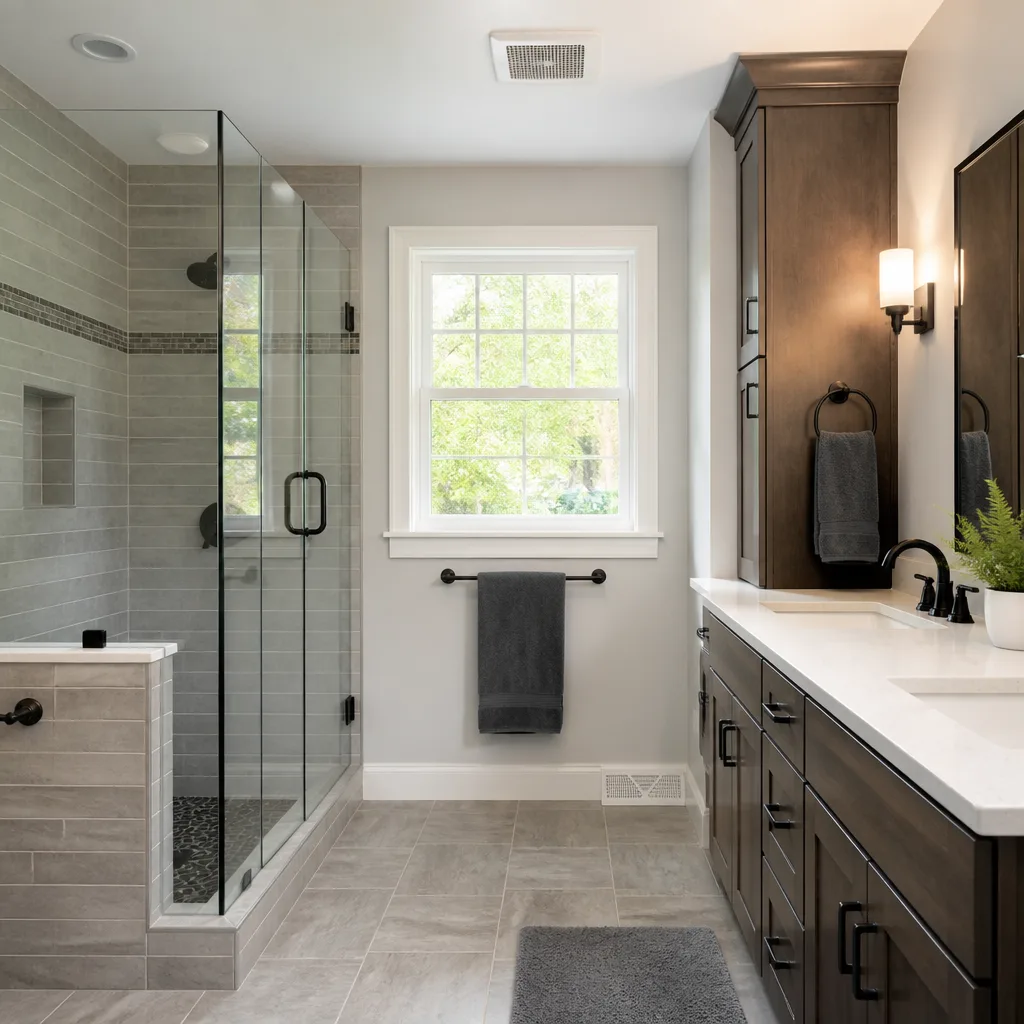
 After
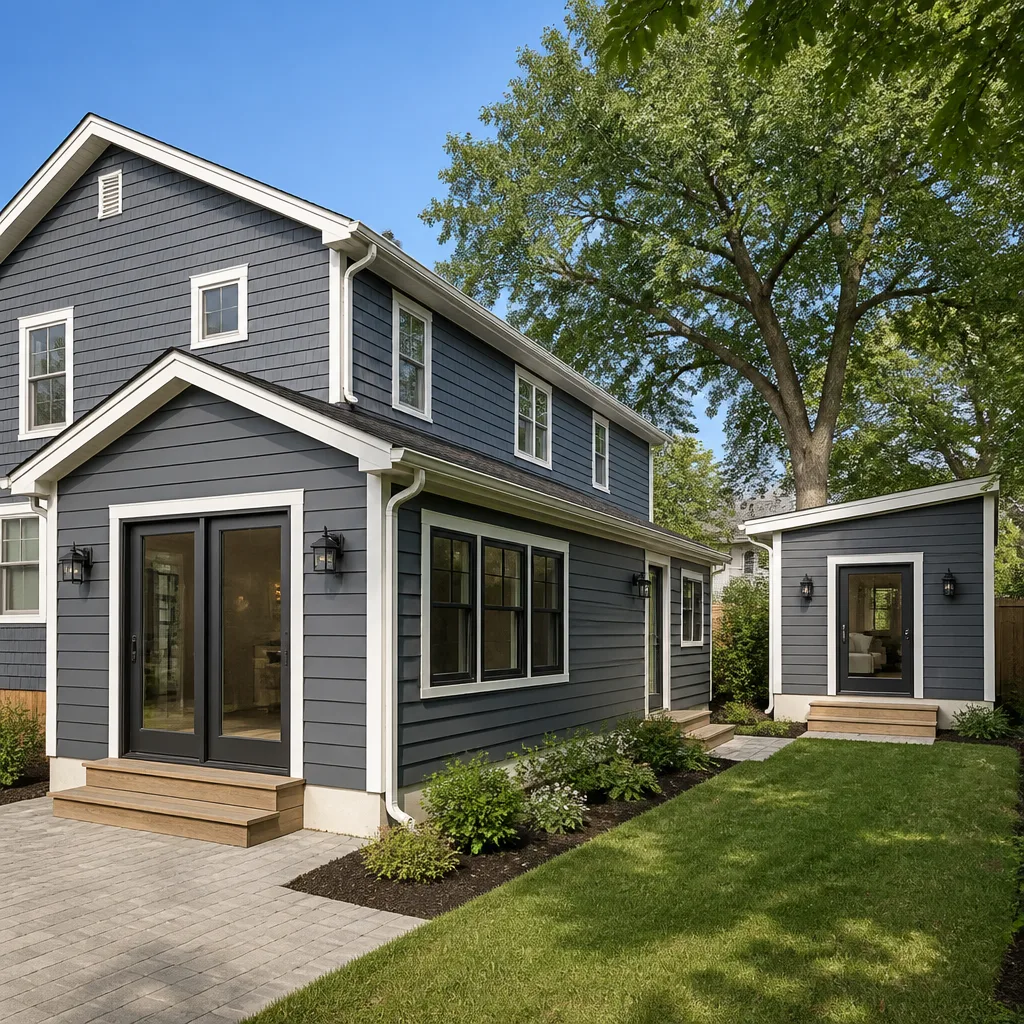
After Before
 After
After Before
 After
AfterHow Much Does Glass Railing Installation Cost in Sunnyvale?
Glass railing installation in Sunnyvale, CA typically costs between $180 and $420 per linear foot, installed – putting a standard 30-foot deck or staircase railing somewhere in the $5,400 to $12,600 range for most residential projects. Frameless systems with thick tempered glass panels push toward the top of that range; semi-frameless and post-framed systems land closer to the middle. Most projects in Sunnyvale are permitted through the City’s Building Division, and that permit cost – usually $400 to $900 for a residential railing job – is a line item your written quote should show separately, not buried in a lump sum.
Glass Railing Installation Cost Breakdown (2026)
Glass railing costs break into three honest buckets: materials, labor, and permits. The table below reflects what Rowan Construction Group sees in the current Sunnyvale market. These are installed prices – materials plus labor, not one or the other.
| System Type | Cost Per Linear Foot (Installed) | Typical 30-LF Project Total |
|---|---|---|
| Post-framed (aluminum posts, tempered glass panels) | $180 – $240 | $5,400 – $7,200 |
| Semi-frameless (minimal hardware, channel base) | $230 – $310 | $6,900 – $9,300 |
| Frameless (standoff or base-shoe mount, no posts) | $300 – $420 | $9,000 – $12,600 |
| Cable-and-glass hybrid (glass panels with cable infill sections) | $200 – $290 | $6,000 – $8,700 |
| Staircase glass railing (per LF, higher complexity) | $280 – $450 | $4,200 – $6,750 (typical 15-LF run) |
Line Items to Expect on Any Written Quote
- Tempered or laminated glass panels: $60 – $140 per square foot of glass, depending on thickness (3/8″ vs. 1/2″) and whether low-iron “ultra-clear” glass is specified. Low-iron glass – sometimes called Starphire or equivalent – eliminates the greenish tint visible on standard tempered glass edges, and in Sunnyvale’s high-end neighborhoods like Crestview and Ponderosa, it’s the spec homeowners usually want once they see the comparison.
- Hardware and mounting systems: $15 – $55 per linear foot. Aluminum base shoe channels, stainless standoff spigots, and handrail brackets each carry different price points and load ratings. The hardware spec matters structurally – not just aesthetically.
- Aluminum or stainless handrail: $18 – $45 per linear foot. Brushed stainless runs higher than powder-coated aluminum. Both are corrosion-resistant, which matters in Sunnyvale where morning marine layer keeps exterior surfaces damp more months of the year than most homeowners account for.
- Substrate prep and structural blocking: $200 – $800, depending on condition. If the existing deck framing or concrete topping lacks the blocking required to anchor a glass rail system, that work comes first. Skipping it creates a code violation and a liability issue.
- Sunnyvale building permit: $400 – $900, depending on project scope and whether plan check is required. Rowan pulls permits as a standard step, not an optional upgrade – every residential railing over 30 inches above grade triggers the permit requirement under the California Building Code.
- Removal of existing railing (if applicable): $150 – $500, depending on material and attachment method. An old wrought-iron rail bolted into a concrete deck takes longer to remove cleanly than a wood post railing through a wood deck.
What the Numbers Actually Mean
A mid-range frameless glass railing on a 40-foot Sunnyvale backyard deck – say, 1/2″ tempered panels in a stainless base shoe channel with a brushed stainless top rail – will land somewhere around $13,000 to $16,000 fully installed and permitted. That’s not a low number, but it reflects the actual labor rate in Santa Clara County, the cost of code-compliant tempered glass specified to California’s Residential Code Section R312, and the permit that keeps your homeowner’s insurance valid if something ever happens. A quote that comes in at $7,000 for that same scope almost always means one of those three things is missing.
Under Clause 1 of the Haven Standard, Rowan delivers a flat written price with a written scope before any work starts. The price you approve is the price on the invoice – no change proceeds without a signed change order, which is the single discipline that has kept Rowan’s 4,000-plus projects within a few percent of the agreed cost since 2007.
What Affects Glass Railing Installation Pricing in Sunnyvale
Six factors move the number up or down more than anything else on a Sunnyvale glass railing project. None of them are surprises if you know to ask about them before signing a contract.
- System style (frameless vs. framed): Frameless systems cost 40 to 70 percent more per linear foot than post-framed systems. The labor is more precise – each panel is custom-cut to the site and requires exact hardware placement – and the hardware itself is more expensive. The tradeoff is an unobstructed view line, which is the reason most homeowners in Sunnyvale’s hillside sections request it.
- Glass specification (thickness and type): Standard 3/8″ tempered glass meets code for most residential applications. Upgrading to 1/2″ tempered adds cost but provides a noticeably more solid feel and is required by code for any panel over 60 inches tall or any application where the glass is the primary load-bearing infill without an intermediate rail. Low-iron glass adds roughly $15 to $30 per square foot over standard tempered – a real cost on a 30-foot run.
- Substrate and structural condition: Glass railing systems transmit lateral loads directly into the structure below. If the deck joists are undersized, the ledger connection is suspect, or the concrete slab lacks proper reinforcement, that gets corrected before any glass goes up. In older Sunnyvale neighborhoods like Murphy and Lakewood Village, homes built in the 1960s and 1970s often have decks that need structural work before a modern glass rail system can be safely installed. That work adds cost, but it’s not optional under the California Residential Code.
- Linear footage and layout complexity: A straight 40-foot run is the easiest configuration to quote and install. Corner transitions, curved sections, angled stair sections, and returns each add fabrication time and custom glass cuts. A staircase railing with a 90-degree landing turn and a continuous handrail around the corner will cost meaningfully more per linear foot than the same total footage on a flat deck edge.
- Height above grade: Any railing on a structure more than 30 inches above grade requires a permit in Sunnyvale. Projects above 10 feet – second-story decks or elevated additions – often require engineer-stamped drawings as part of the permit package, which adds $500 to $1,500 to the project cost. Rowan coordinates this as part of the standard permit process.
- Access and site conditions: Glass panels are heavy and fragile. A tight side yard, a steeply graded lot, or a deck that requires staging to reach safely all add crew time. Sunnyvale lots in the older Raynor Park and Birdland neighborhoods are sometimes laid out in ways that require a second crew member just to move panels safely – and that shows up in the labor line. A contractor who doesn’t account for this is either guessing or planning to figure it out on-site.
 Before
 After
AfterGlass Railing System Types: What You’re Actually Choosing Between
Before pricing makes sense, it helps to understand what the three main system types actually are and where each one fits.
Post-Framed Systems
Aluminum or stainless posts are anchored to the deck structure at regular intervals, and tempered glass panels drop into a channel or clip between the posts. This is the most common system in tract-home renovations across Sunnyvale because it’s the most forgiving to install – posts can be spaced to accommodate irregular deck framing – and it’s the least expensive to repair if a panel ever needs replacement. The visual result shows the posts, which some homeowners prefer for the defined structure it creates and others find visually busy against a clean architectural backdrop.
Semi-Frameless Systems
Posts are still present but spaced further apart, and the glass panels span longer distances with less visible hardware. The base channel is usually a low-profile aluminum shoe rather than a heavy post collar. This is the system that most accurately matches the renderings on design websites – more open than a fully framed system, less expensive than a true frameless installation. It’s the right answer for most Sunnyvale homeowners who want a clean look without the premium of a full frameless build.
Frameless Systems
No posts. Glass panels are anchored directly into a base shoe channel set into the deck surface, or via standoff spigots that bolt through the deck framing. The top rail floats above the glass, typically supported by stainless brackets that clamp to the panel edges. This is the system you see on high-end Sunnyvale remodels and new construction in newer developments near Lawrence Expressway. The installation tolerances are tight – panels are measured and cut to specific dimensions, and the base shoe channel must be set dead level and dead straight before any glass is placed. Done correctly, it disappears visually and lets whatever is behind it – a garden, a hillside, a pool – carry the view.
Permits and Code: What Sunnyvale Requires
Glass railing projects in Sunnyvale are governed by the California Residential Code (CRC) and local amendments administered through the City of Sunnyvale’s Community Development Department. The key requirements that affect your project cost:
- Any guard railing over 30 inches above the floor or grade below requires a permit. There is no exemption for decorative or temporary installations.
- Guards must be at least 36 inches high on decks less than 30 inches above grade, and 42 inches high on decks 30 inches or more above grade, per CRC Section R312.
- Glass infill panels used as the primary guard must be tested to the load requirements of CRC Section R301.5 – typically 200 pounds concentrated load at any point. Tempered glass of the correct thickness, properly anchored, meets this requirement. Annealed glass does not, and no reputable contractor should spec it for a guard application.
- Plan check is typically required for elevated decks and any project where the structural attachment method needs engineering review. Rowan’s written quote includes a permit cost estimate based on the project scope – it’s not a line item we add after the fact.
Pulling a permit means a city inspector signs off that the work was done correctly. For a homeowner planning to sell, that inspection record is documentation a buyer’s agent will ask for. For a homeowner who stays, it means the installation is on record and the repair or replacement process is straightforward. Rowan handles the permit application as part of every glass railing project in Sunnyvale – it’s included in the scope, not an optional add-on.
How to Save on Glass Railing Installation in Sunnyvale
There are a few places where a careful homeowner can reduce cost without cutting into the structural or code compliance of the finished project. There are also a few places where trying to save money creates a problem that costs more to fix later. Knowing the difference is the useful part.
Where Savings Are Real
- Choose standard tempered glass over low-iron, if the view allows it. Low-iron glass is genuinely better-looking, but the green tint on standard tempered glass is mainly visible on the cut edges – not through the panel. If the railing faces a busy yard rather than a curated view, standard tempered at 3/8″ does the job at a lower material cost.
- Keep the layout simple. Every corner transition, every custom-cut angle, every curved section adds fabrication time and material waste. A straight run of railing on a rectangular deck is the least expensive configuration per linear foot. If the design allows for a simple layout, that’s money saved without any functional compromise.
- Combine the glass railing project with adjacent deck or patio work. When Rowan is already on-site for a paver patio installation or a deck replacement, mobilization costs are shared. A standalone glass railing project that requires a full crew mobilization for one trade carries that cost alone. Bundling work is one of the few places where timing a project actually affects the final number.
- Get a second opinion on any written estimate you’ve already received. Rowan offers a free review of any competitor’s written quote, line by line. This is a standing offer – not something we charge for. It’s useful because glass railing quotes vary widely in how they handle the permit cost, the structural prep, and the hardware specification. Understanding what’s included and what isn’t before you sign is worth the time. Call (650) 405-3637 to set that up.
Where Cutting Cost Creates a Problem
- Skipping the permit. An unpermitted railing is a disclosure item when you sell and a potential homeowner’s insurance complication if someone is injured. The permit cost is a few hundred dollars. The downstream cost of dealing with an unpermitted installation is almost always higher.
- Under-specifying the structural prep. If the contractor quotes zero for structural blocking or substrate prep on an older Sunnyvale deck, that means either they didn’t look at the framing or they’re planning to proceed without it. Neither is a good outcome. Ask specifically what they found during their site assessment and what the framing condition is.
- Choosing the lowest quote without understanding why it’s lower. A quote that’s 30 percent below the field almost always excludes something. The permit, the structural work, the correct glass specification, or the hardware grade are the usual omissions. Rowan’s written scope names every line item so you can compare quotes at the component level rather than at the total.
Glass Railing vs. Other Railing Materials: Cost Comparison for Sunnyvale
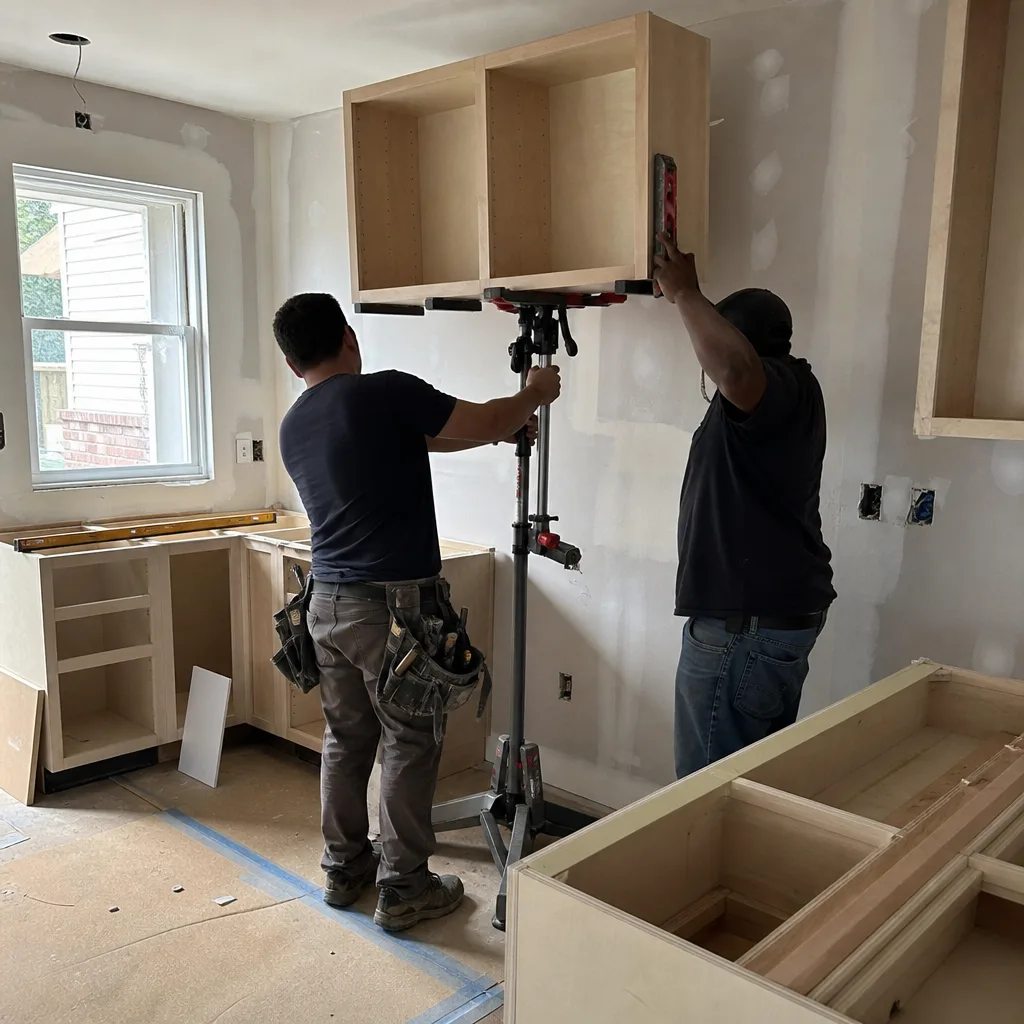
Glass isn’t the only railing option, and the cost comparison is worth understanding before committing to a material.
- Wood railing: $50 – $120 per linear foot installed. Least expensive upfront, highest long-term maintenance cost in Sunnyvale’s coastal-adjacent climate. Requires painting or sealing every 3 to 5 years.
- Aluminum railing (non-glass): $70 – $150 per linear foot installed. Durable, low-maintenance, powder-coat finishes hold up well. Doesn’t disappear visually the way glass does.
- Cable railing (stainless cables, metal posts): $120 – $220 per linear foot installed. Requires periodic cable tensioning – typically every year or two – and the cable spacing must meet code for the guard height and load requirements. Popular in Sunnyvale for the horizontal line it creates.
- Glass railing (all types): $180 – $420 per linear foot installed, as detailed above. Highest material cost, lowest visual impact on the view, and the most durable infill material once installed correctly. No painting, no rusting, no splinters. Cleaning is a squeegee and a bucket.
For a homeowner near the Glass Railing Installation in Sunnyvale service page who is still deciding between materials, the honest trade-off is upfront cost vs. maintenance cost and visual effect. Glass wins on view and maintenance. It does not win on entry price.
FAQs – Glass Railing Installation Cost in Sunnyvale
How much does glass railing installation cost in Sunnyvale, CA?
Glass railing installation in Sunnyvale costs $180 to $420 per linear foot installed, depending on the system type (post-framed, semi-frameless, or frameless) and the glass specification. A typical 30-linear-foot project runs $5,400 to $12,600 before permits. Adding the Sunnyvale building permit – usually $400 to $900 – brings the realistic total for most residential projects to $6,000 to $13,500. Call (650) 405-3637 for a free written estimate on your specific project.
Do I need a permit for glass railing installation in Sunnyvale?
Yes. Any guard railing more than 30 inches above grade requires a permit through Sunnyvale’s Community Development Department, and glass railing systems in that category need to meet California Residential Code Section R312 load and height requirements. The permit typically costs $400 to $900 for a residential project. Rowan pulls the permit as part of every glass railing project – it’s in the written scope, not billed separately after the fact. An unpermitted installation creates a disclosure issue when you sell and may affect your homeowner’s insurance coverage.
How long does glass railing installation take?
A straightforward 30 to 40 linear foot glass railing on a flat deck typically takes 2 to 4 days of field work once materials are on-site: one day for mounting hardware and base shoe, one to two days for panel placement and handrail, and a half-day for final adjustments and cleanup. Staircase sections and complex layouts add time. Permit scheduling is usually the longer lead item – Sunnyvale’s building department processes most residential railing permits within 2 to 4 weeks, though timelines vary by workload. Rowan handles permit coordination and will give you a realistic schedule in writing before work starts.
Is frameless glass railing worth the extra cost?
For most Sunnyvale homeowners with a view worth preserving – a backyard garden, a pool, a hillside sight line – frameless systems deliver a meaningfully different visual result than post-framed systems, and that difference is permanent. The premium over a semi-frameless system is typically $70 to $110 per linear foot, so on a 30-foot run, the upgrade costs roughly $2,100 to $3,300. Whether that’s worth it depends on how much the unobstructed view line matters and what the property’s context is. In Sunnyvale neighborhoods where the outdoor living space is a genuine selling point, frameless glass tends to add more to the finished result than the linear-foot premium suggests.
Can glass railing be installed on an existing deck in Sunnyvale?
Yes, with a structural assessment first. The existing deck framing needs to carry the lateral loads a glass railing system transfers into the structure. Sunnyvale decks built before the mid-1990s sometimes lack the blocking and connection hardware that modern code requires, and those conditions need to be corrected before a glass system goes in. Rowan’s site visit includes a framing inspection and a written assessment of what the substrate needs – that information is in the written quote, not discovered on installation day. Structural prep work, when needed, typically adds $200 to $800 to the project cost. Call (650) 405-3637 to schedule a site visit.
How do I compare glass railing quotes in Sunnyvale?
Compare quotes at the line-item level, not the total. The permit cost, the structural prep, the glass specification (thickness, type, whether it’s tempered or laminated), and the hardware grade should each appear as separate line items. A quote that bundles everything into a single number makes it impossible to know what’s included. Rowan’s written quotes name every component with a separate cost, and the scope describes each element in plain terms so you know exactly what you’re approving. If you’ve already received a quote from another contractor and want a line-by-line review, call (650) 405-3637 – that’s a free service and takes about 30 minutes.
What to Expect When You Work With Rowan Construction Group
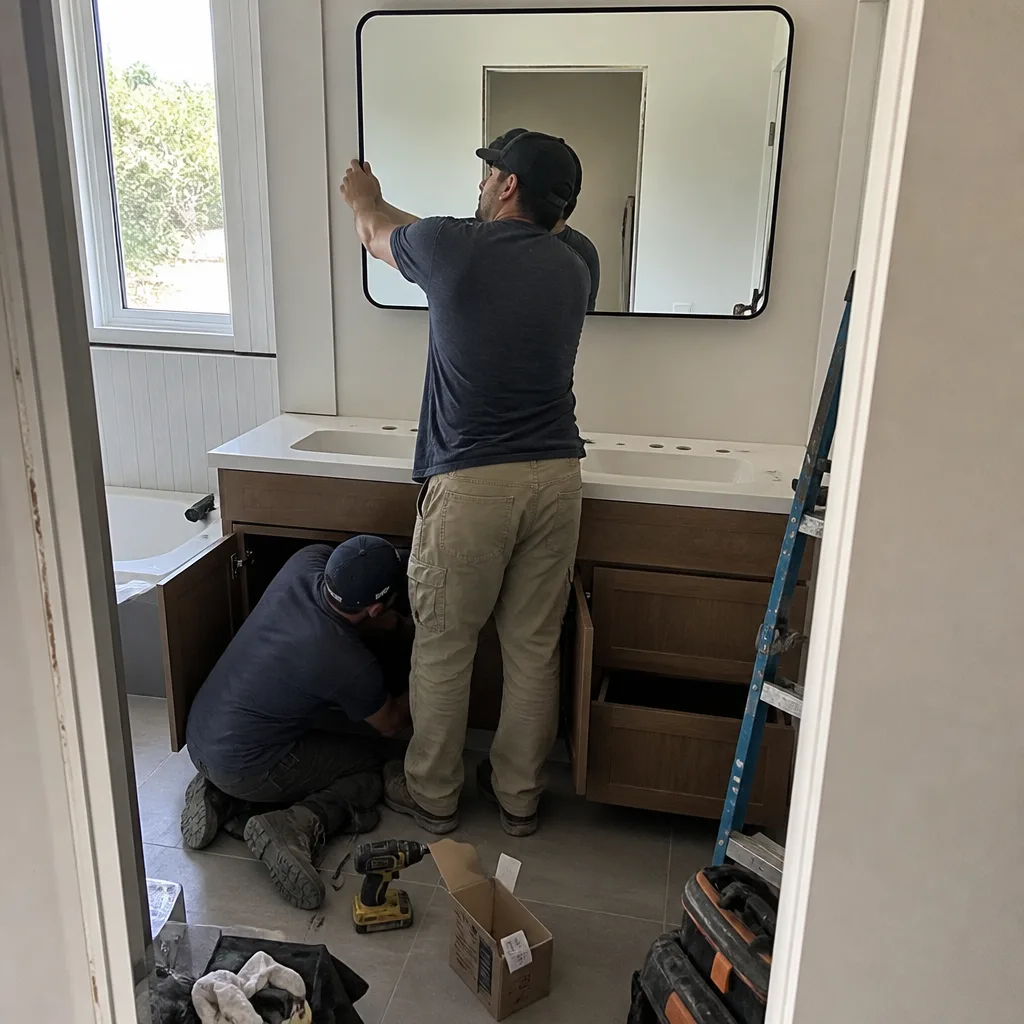
Grant Rowan founded this company in 2007 with one operating principle: the price is written before anyone picks up a tool. After 4,000-plus projects across Sunnyvale and the broader South Bay, that discipline hasn’t changed. The written quote you receive from Rowan is a flat price with a written scope, a written warranty, and a permit cost broken out as a separate line – not folded into a lump sum to obscure it.
Every crew member is background-checked and shows up in a uniform. Every visit generates a documented photo record that’s delivered to the customer when the crew leaves – not because it’s a nice touch, but because it’s a standard deliverable under the Haven Standard. You get documentation of what was found and what was done, and that record stays with the project file.
The 365-Day Done Right Promise means that if something isn’t right after we leave, we come back and make it right. That commitment is printed on every page of the contract, not tucked into an asterisk. Grant Rowan’s name is on the business and on the warranty because that’s how accountability works when it’s real.
If you’ve already started getting quotes, bring the written estimate you have and we’ll review it line by line at no charge. That’s the free second opinion Rowan has offered since the beginning – it exists because a homeowner who understands what they’re buying makes better decisions, and better decisions lead to projects that actually finish the way they were supposed to.
For more on our full range of residential construction services, including everything from kitchen remodeling to home additions, visit our home page for the complete service list and project documentation.
Key Takeaways
- Glass railing installation in Sunnyvale costs $180 to $420 per linear foot installed, with most 30-foot projects totaling $5,400 to $12,600 before permits.
- The Sunnyvale building permit adds $400 to $900 to most residential glass railing projects – it’s required, not optional, for any guard over 30 inches above grade.
- Frameless systems cost more per linear foot than post-framed systems but require more precise installation and deliver a cleaner visual result.
- Structural prep on older Sunnyvale decks is a real cost item – any quote that doesn’t mention the substrate condition should raise a question.
- Compare quotes at the line-item level: permit, structural prep, glass spec, hardware, and handrail should each appear separately.
- Rowan provides a written flat-price quote before any work starts, pulls permits as standard, and backs every project with a 365-Day Done Right Promise.
Ready to get a written price for your Sunnyvale glass railing project? Call Rowan Construction Group at (650) 405-3637. Grant Rowan’s team will schedule a site visit, assess the existing structure, and deliver a written quote with a full scope – no phone estimates, no verbal commitments, no surprises on the invoice.
Pricing reflects the Sunnyvale market as of 2026. Rowan Construction Group Sunnyvale offers free estimates – call (650) 405-3637.
Written by Grant Rowan, Owner at Rowan Construction Group, serving Sunnyvale since 2007.
What Our Customers Say
"Final invoice was within two percent of the contract. Every change was priced and signed before anyone picked up a tool."
- Malcolm T."They found an old septic line under the driveway run and stopped, documented it, and re-quoted before continuing."
- Xavier L."Driveway replaced properly with a base that will actually last. They explained why the cheaper quote was cheaper."
- Reggie O.