
Last updated September 25, 2026
Free written scope consultation - allowances, timeline, and change-order rules on paper before a single trade is scheduled
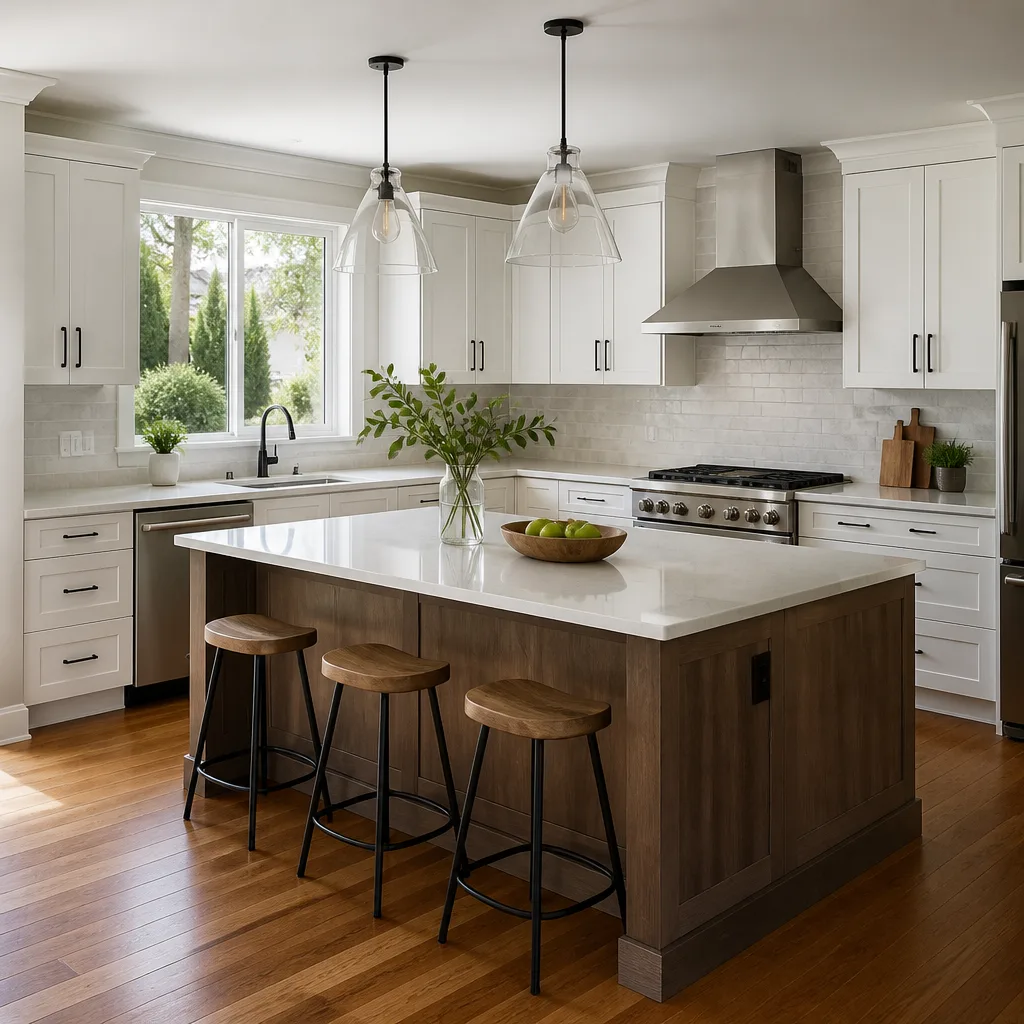
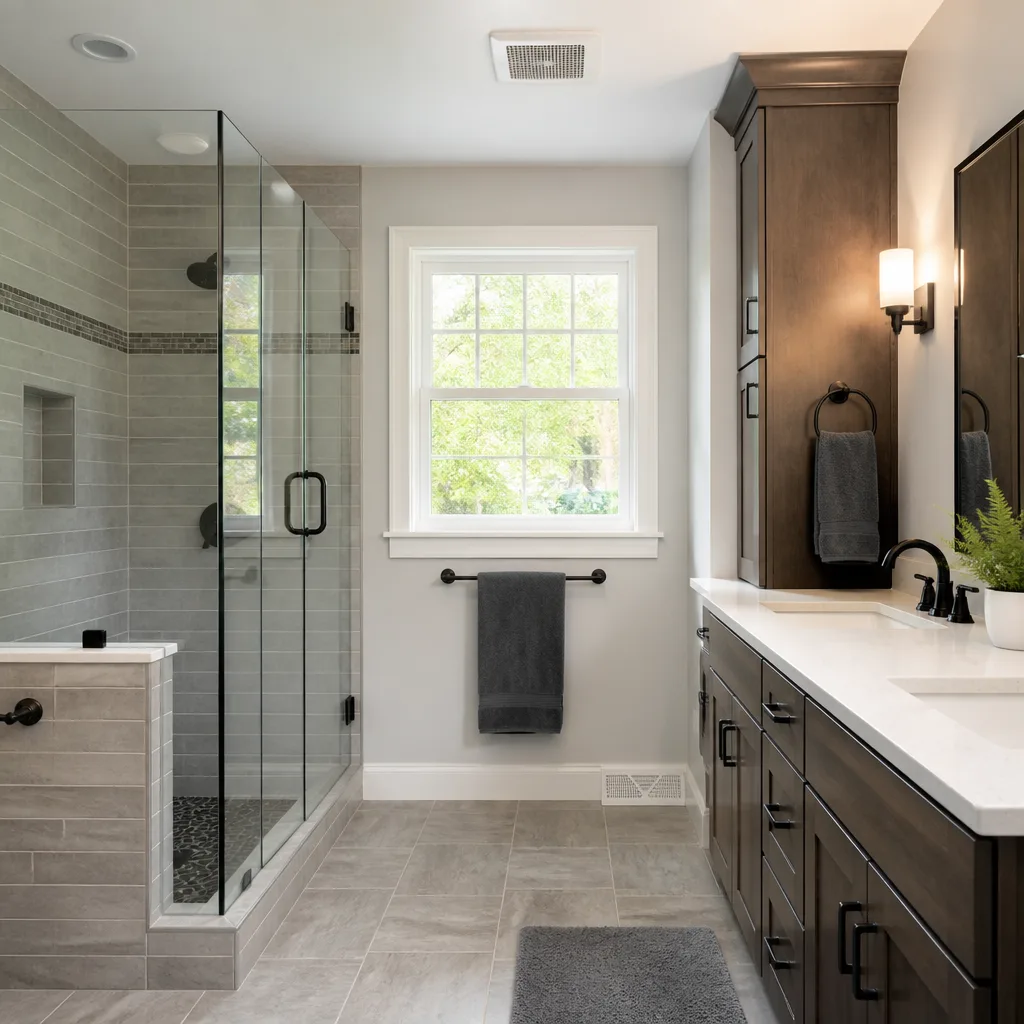
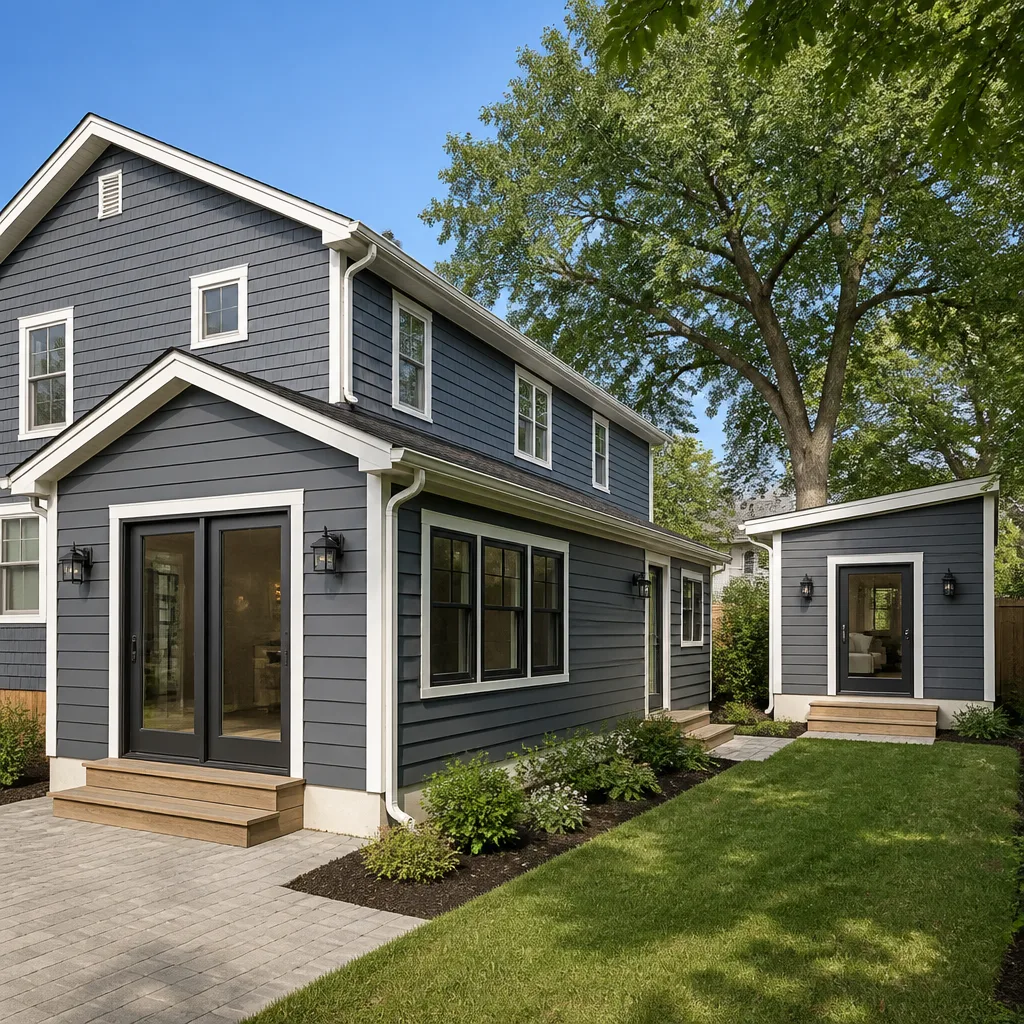
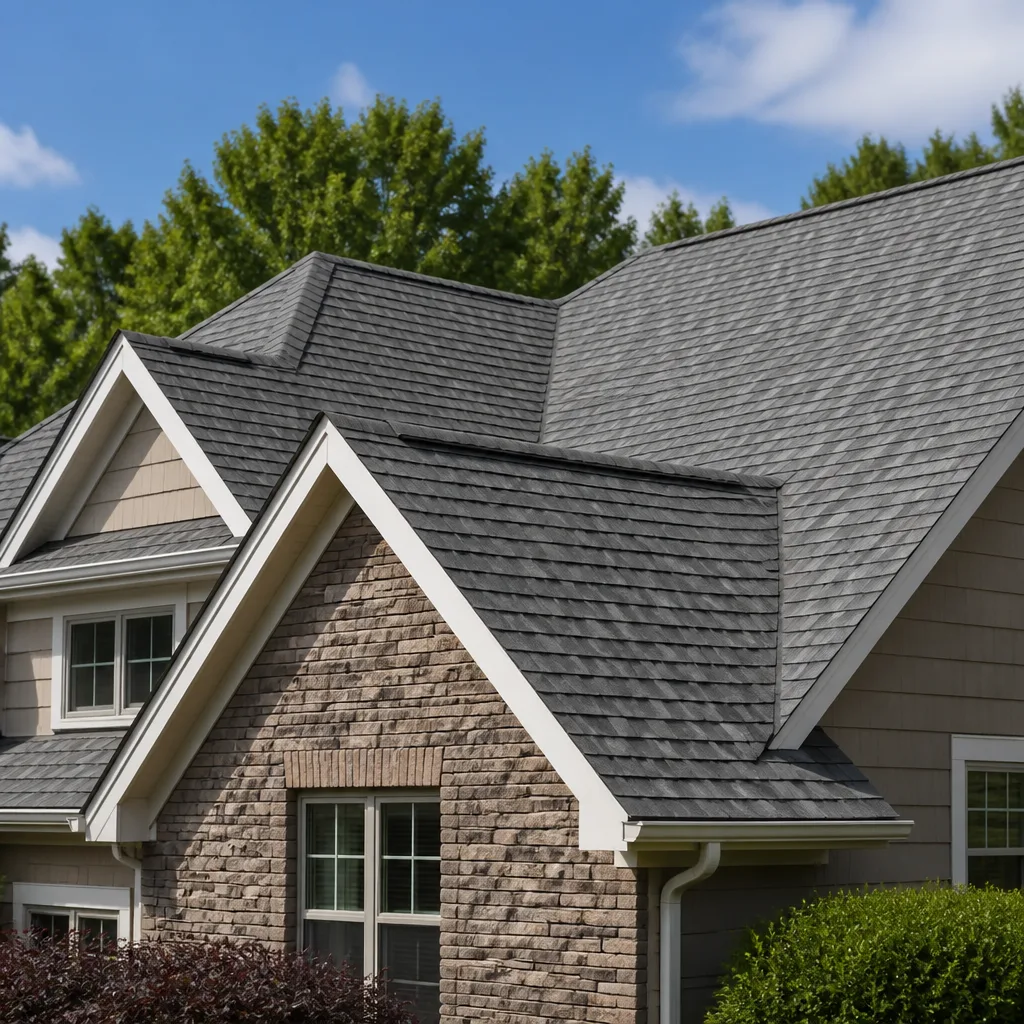
 Before
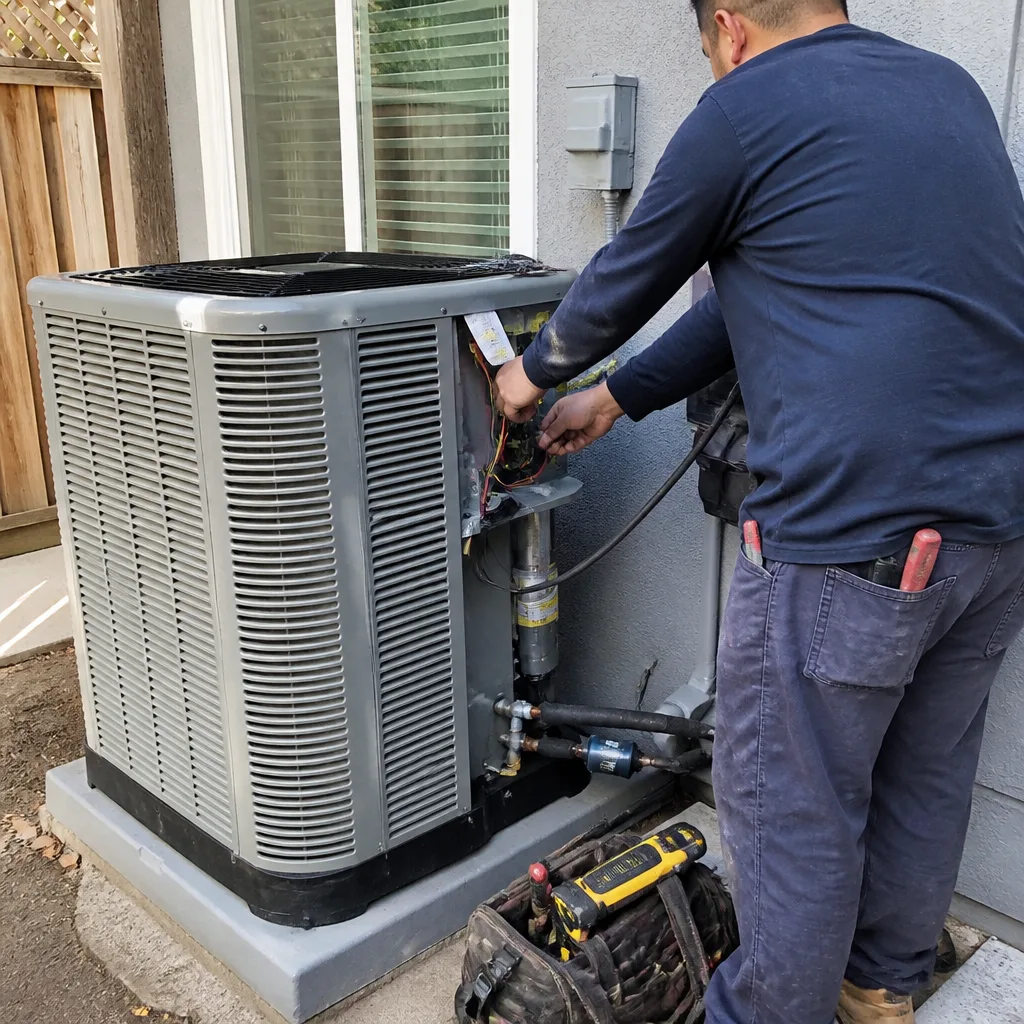 After
After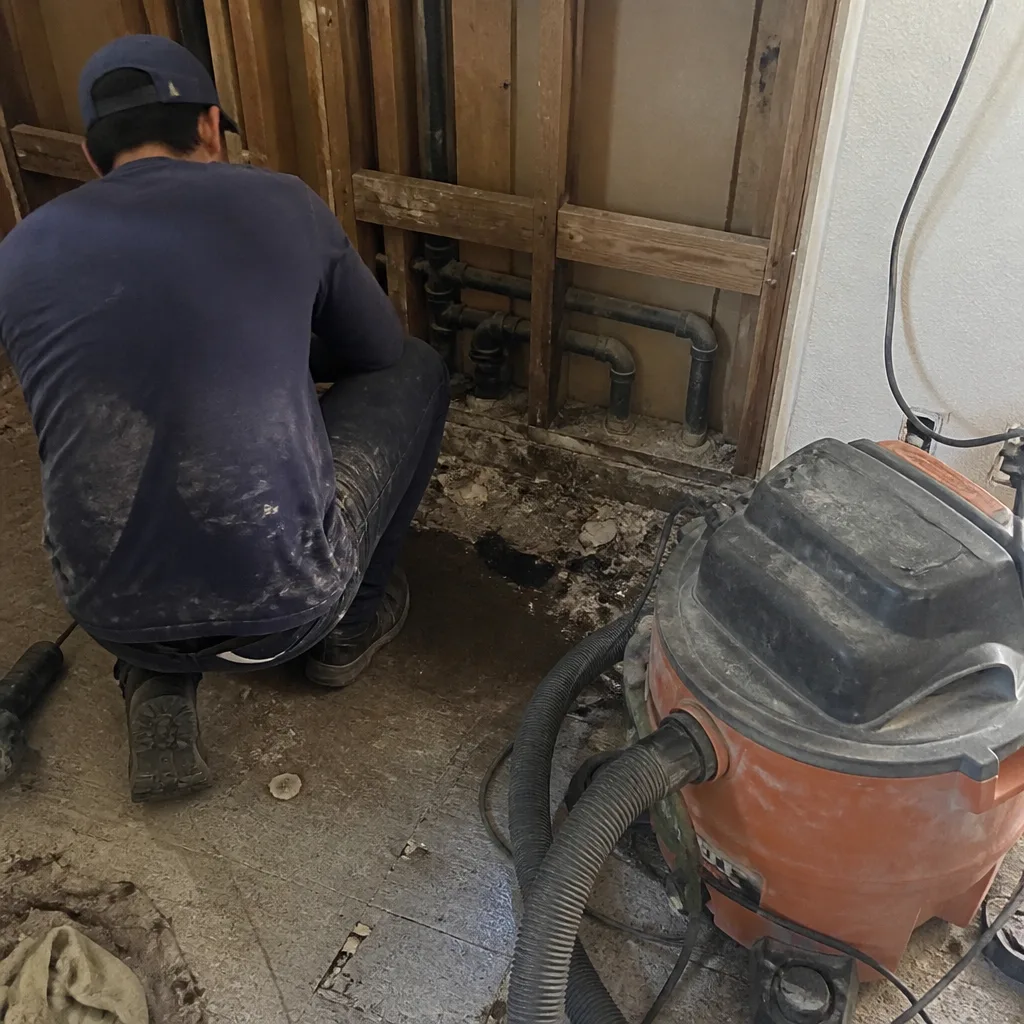 Before
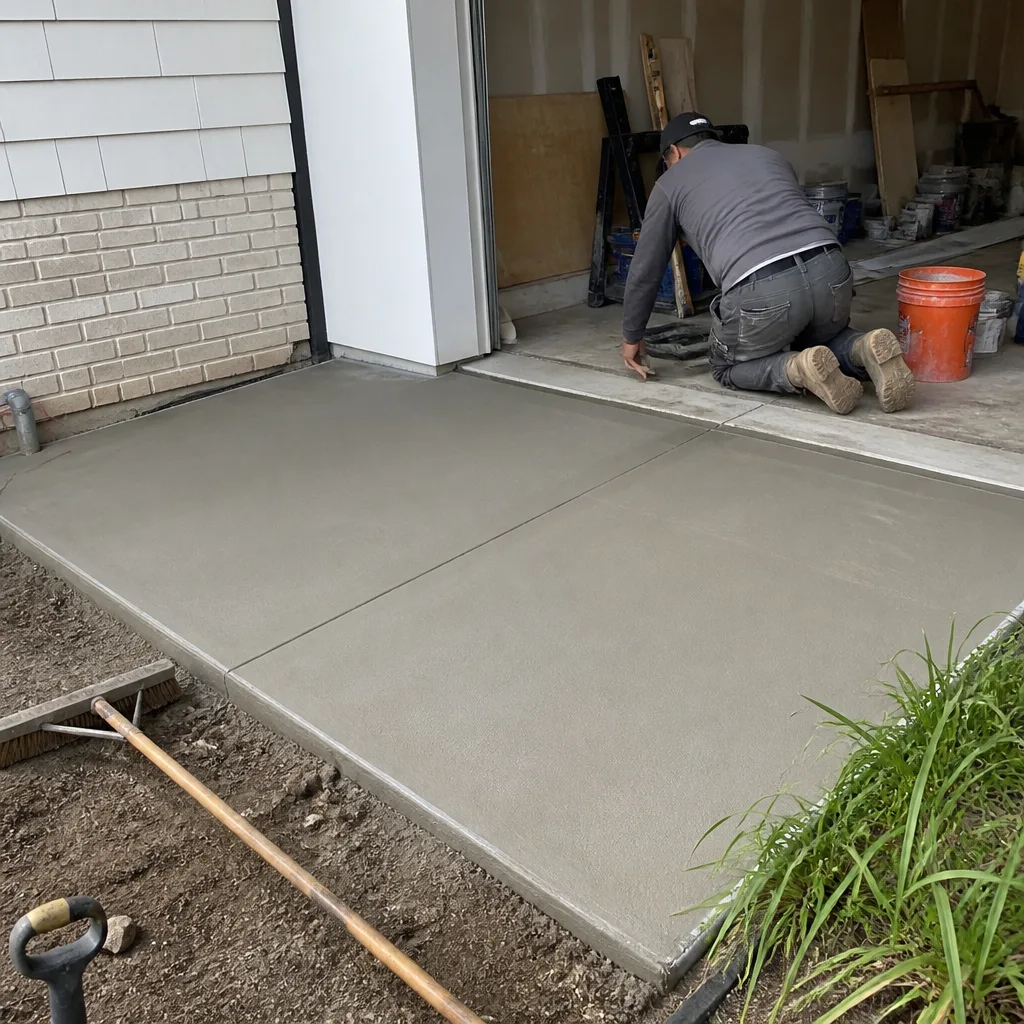 After
After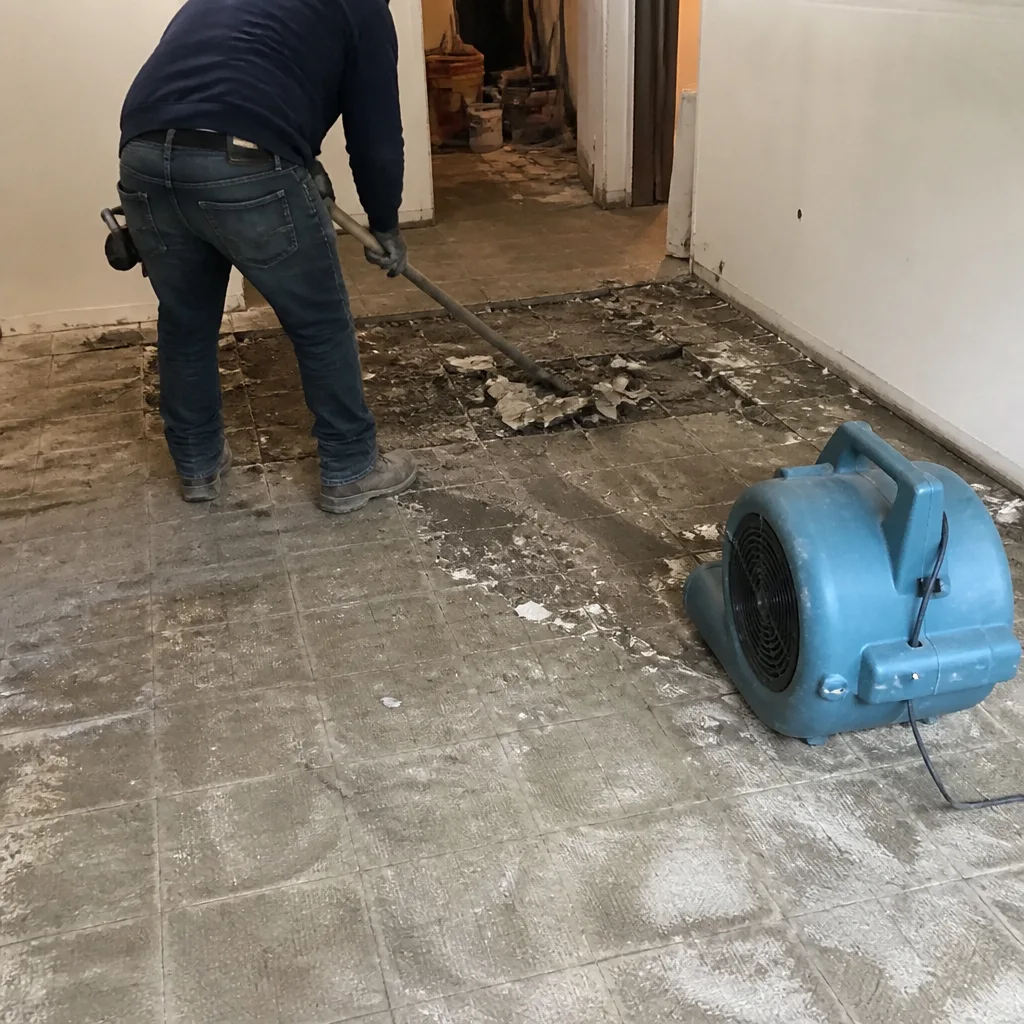 Before
 After
AfterConstruction Cost Breakdown: The Sunnyvale Homeowner’s Reference for 2026
Sunnyvale’s valuation-based permit fee schedule means that declaring a higher project value to a contractor’s insurer simultaneously increases your permit fee - a $150,000 kitchen remodel triggers a different fee tier than a $120,000 one, and few homeowners know to ask where that line sits. In 2026, construction costs in this city reflect Santa Clara County’s union-heavy labor market, material distribution routes from Bay Area suppliers in San Jose and Fremont, and fee schedules that reward precise scope definition. This guide gives actual dollar ranges by project type and trade so you can read a bid critically rather than accept it on faith.
Quick Answer
Construction costs in Sunnyvale in 2026 range from $85-$140 per square foot for standard finishes up to $250-$400 per square foot for high-end whole-house renovations and ADUs with premium systems. Kitchen remodels typically run $75,000-$150,000, bathroom additions $45,000-$95,000, and detached ADUs $200,000-$450,000 depending on utility tie-ins and foundation requirements. Permit fees, school district fees, and park impact fees add 3-8 percent to the project total in Sunnyvale specifically.
Table of Contents
- Per-Square-Foot Costs by Project Type in Sunnyvale
- Bay Area Labor Rates vs. Statewide Averages
- Sunnyvale Permit Fees and Impact Fees
- 2026 Material Cost Benchmarks by Brand
- What Your Contingency Actually Covers
- How to Read a Sunnyvale Bid Critically
- Common Mistakes to Avoid
- When to Call a Professional
- Frequently Asked Questions
 Before
 After
AfterPer-Square-Foot Costs by Project Type in Sunnyvale
We’ve delivered over 4,000 projects since 2007, and the first thing we tell Sunnyvale homeowners is that per-square-foot pricing is a starting point, not a contract. The number changes with ceiling height, structural modifications, and whether you’re working in a 1950s Eichler with radiant slab or a 1990s tract home with standard framing. Here are the ranges we see in our written quotes for 2026.
Kitchen Remodel
$450-$750 per square foot of kitchen space (not house space). A 200-square-foot kitchen in a Sunnyvale ranch near Cherry Chase runs $90,000-$150,000 for a full gut with mid-grade finishes. That includes:
- Demolition and haul-away: $4,500-$7,500
- Electrical panel upgrade (often required in pre-1980 homes): $3,500-$6,000
- Plumbing rough-in and fixture set: $5,000-$9,000
- Cabinets (KraftMaid semi-custom or equivalent): $18,000-$35,000
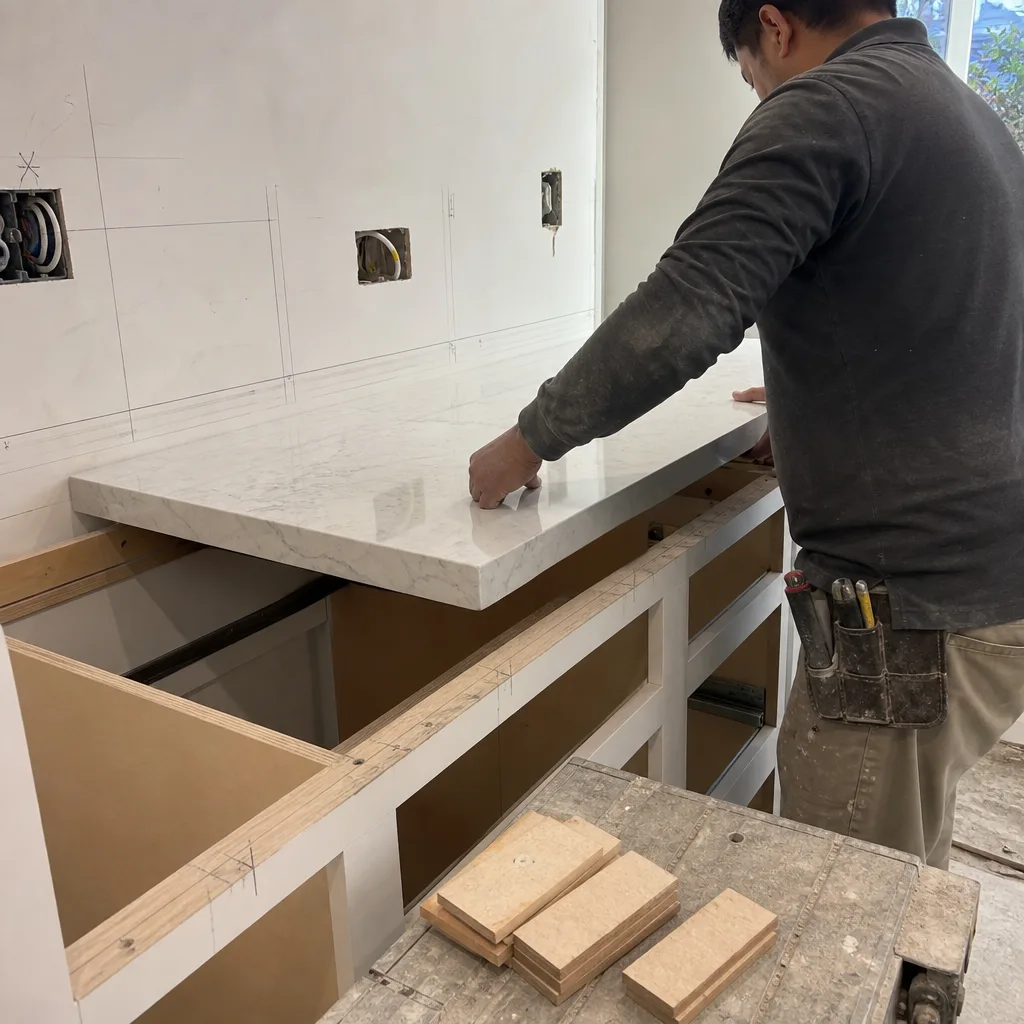
- Countertops (Cambria quartz, 40 sq ft): $4,800-$7,200 installed
- Appliance package: $8,000-$18,000
- Flooring, lighting, backsplash, paint: $12,000-$22,000
The premium over national averages runs 25-35 percent in Sunnyvale, driven by Santa Clara County electrician and plumber rates. Kitchen Remodeling in Sunnyvale projects in the Birdland neighborhood or near downtown often encounter galvanized steel plumbing that requires full replacement, adding $4,000-$8,000 to the scope.
Bathroom Addition (New Space, Not Remodel)
$350-$650 per square foot. A 50-square-foot powder room addition in a Sunnyvale home near Serra Park costs $35,000-$55,000. A 120-square-foot full bath with shower runs $65,000-$95,000. The wide range reflects whether you’re extending foundation, tying into existing sewer lines (often 4-inch cast iron in pre-1970 homes), or pumping to a higher elevation. Bathroom Remodeling in Sunnyvale additions require sewer connection permits from the city, and the inspection queue in spring 2026 is running 10-14 business days.
Detached ADU, Ground-Up
$250-$400 per square foot. A 500-square-foot studio ADU in Sunnyvale typically quotes at $175,000-$280,000. A 750-square-foot one-bedroom with full kitchen runs $260,000-$380,000. These numbers assume:
- Standard slab-on-grade foundation (no hillside or fill issues)
- Tie-in to existing electrical and water at the main house
- No sewer lift pump required
- Basic landscaping restoration, not hardscaping
ADUs in the San Miguel area or along the foothills near Rancho San Antonio often hit the high end due to expansive clay soils requiring engineered foundations. Sunnyvale’s ADU ordinance allows up to 1,000 square feet on most single-family lots, but the school district fee kicks in at 500 square feet - see Construction Permits, Codes & Inspections in CA: What You Need to Know for the full permit breakdown.
Whole-House Renovation
$200-$350 per square foot of renovated space. A 1,800-square-foot Sunnyvale Eichler full renovation runs $360,000-$630,000. This assumes you’re keeping the slab, roof structure, and basic layout while updating systems, finishes, and possibly opening the floor plan. The low end requires no structural changes; the high end includes beam installation, full re-pipe, panel upgrade, and high-efficiency HVAC.
Garage Conversion (to Living Space)
$125-$225 per square foot. A 400-square-foot garage conversion in Sunnyvale runs $50,000-$90,000. The critical variable is whether the existing slab meets living-space insulation requirements - many pre-1980 garages in the Ponderosa neighborhood lack perimeter insulation and vapor barriers, adding $8,000-$15,000 to bring the thermal envelope to code.
Room Addition (Second Story or Bump-Out)
$275-$450 per square foot. Second-story additions in Sunnyvale cost more than ground-level due to structural engineering, temporary support, and stair integration. A 400-square-foot master suite bump-out runs $110,000-$180,000. A full second story of 800 square feet over existing footprint runs $220,000-$360,000. Foundation analysis is required - many Sunnyvale homes on alluvial soils near Calabazas Creek need underpinning or helical piers, which can add $15,000-$40,000. For safety-related signage requirements, see Construction Warning Signs: A Sunnyvale Homeowner’s Reference Guide.
Bay Area Labor Rates vs. Statewide Averages
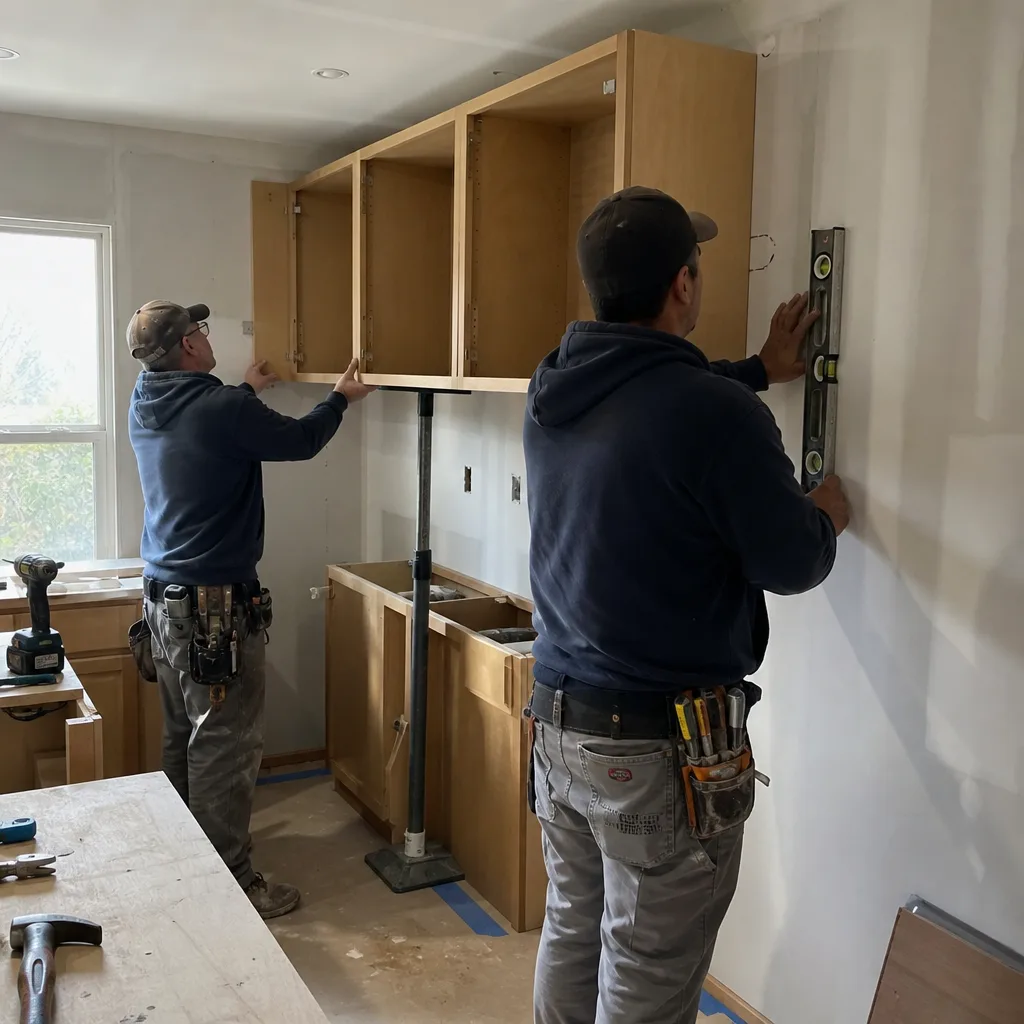
Santa Clara County construction labor runs 30-50 percent above the California median, and the gap is widest in electrical and plumbing. Here’s what drives the premium and where it shows up in your quote.
Union vs. Non-Union Trade Breakdown
Union electricians in Santa Clara County (IBEW Local 332) command $85-$110 per hour in wages plus benefits, compared to $55-$75 for non-union residential electricians. Union plumbers (UA Local 393) run $80-$105 per hour with benefits, versus $50-$70 non-union. Rowan Construction Group Sunnyvale uses a mixed model: union trades for commercial and multi-family, vetted non-union crews for single-family residential where the cost difference passes directly to the homeowner without quality compromise.
The trades with the largest Sunnyvale premium:
- Electrical: 45-55 percent above statewide average. Panel upgrades, EV circuit additions, and smart-home rough-ins are standard in 2026 quotes.
- Plumbing: 40-50 percent above statewide. Copper and PEX material costs are national; the premium is labor.
- HVAC: 30-40 percent above. Heat pump installations, required for new construction under Title 24 2025, need specialized technicians.
- Framing/Carpentry: 20-30 percent above. Less gap here due to competitive non-union market.
- Roofing: 15-25 percent above. Roofing in Sunnyvale benefits from a deep subcontractor market; the premium is moderate.
A kitchen remodel with full electrical and plumbing rework in Sunnyvale carries roughly $12,000-$18,000 more in labor costs than the same scope in Fresno or Redding. This is not markup; it’s the market rate for licensed, insured trades in Santa Clara County.
Where the Labor Dollar Goes
In a typical $100,000 Sunnyvale kitchen remodel, labor distribution looks like this:
- General carpentry and project management: 22-26%
- Electrical (panel, circuits, lighting): 14-18%
- Plumbing (rough-in, fixtures, gas): 12-16%
- Finish carpentry and installation: 18-22%
- Drywall, paint, flooring: 16-20%
- Permits, inspections, fees: 6-10%
Sunnyvale Permit Fees and Impact Fees
Sunnyvale uses a valuation-based permit fee schedule administered by the Community Development Department. The fee is calculated as a percentage of total project valuation, with tiered rates that step up at specific thresholds. This is where the $150,000 vs. $120,000 kitchen distinction matters.
2026 Sunnyvale Permit Fee Tiers
| Project Valuation | Plan Check Fee | Building Permit Fee | Combined (typical) |
|---|---|---|---|
| Under $50,000 | $850-$1,200 | $1.10 per $1,000 valuation | $900-$1,400 |
| $50,000-$100,000 | $1,200-$1,800 | $1.25 per $1,000 valuation | $1,800-$3,100 |
| $100,000-$250,000 | $1,800-$2,400 | $1.40 per $1,000 valuation | $3,200-$5,900 |
| $250,000-$500,000 | $2,400-$3,200 | $1.55 per $1,000 valuation | $6,300-$10,900 |
| Over $500,000 | $3,200+ | $1.70 per $1,000 valuation | $11,000+ |
These are base building permit fees. Additional permits required in Sunnyvale:
- Electrical permit: $200-$500 plus $12-$18 per circuit
- Plumbing permit: $150-$400 plus fixture count fees
- HVAC/mechanical permit: $250-$600
- Demolition permit: $150-$300
School District and Park Impact Fees
ADUs and additions over 500 square feet trigger additional fees that surprise many Sunnyvale homeowners:
- Fremont Union High School District fee: $3.48 per square foot of new conditioned space (applies to ADUs and additions, not remodels)
- Sunnyvale School District fee: $2.96 per square foot for same
- Park impact fee: $2,800-$4,200 per new dwelling unit (ADU counts as new unit; addition does not unless it creates a separate kitchen and entrance)
A 750-square-foot ADU in Sunnyvale pays roughly $7,800 in school fees plus $4,200 in park fees - $12,000 in impact fees before construction starts. These are not negotiable and not included in contractor bids unless specifically called out. Under Clause 1 of the Haven Standard, Rowan’s written quotes itemize permit and impact fees separately so the total project cost is visible before work begins.
Valuation Declaration Strategy
Sunnyvale’s permit fee is based on the valuation you declare, which must be supported by the contractor’s written estimate. There’s no benefit to underdeclaring - the city can reassess based on comparable projects, and your permit won’t issue until valuation is accepted. However, understanding the tier thresholds helps you anticipate fees. A kitchen remodel estimated at $118,000 stays in the $100,000-$250,000 tier; at $122,000, you’re in the same tier. The jump to $250,000+ is where the per-thousand rate increases meaningfully.
2026 Material Cost Benchmarks by Brand
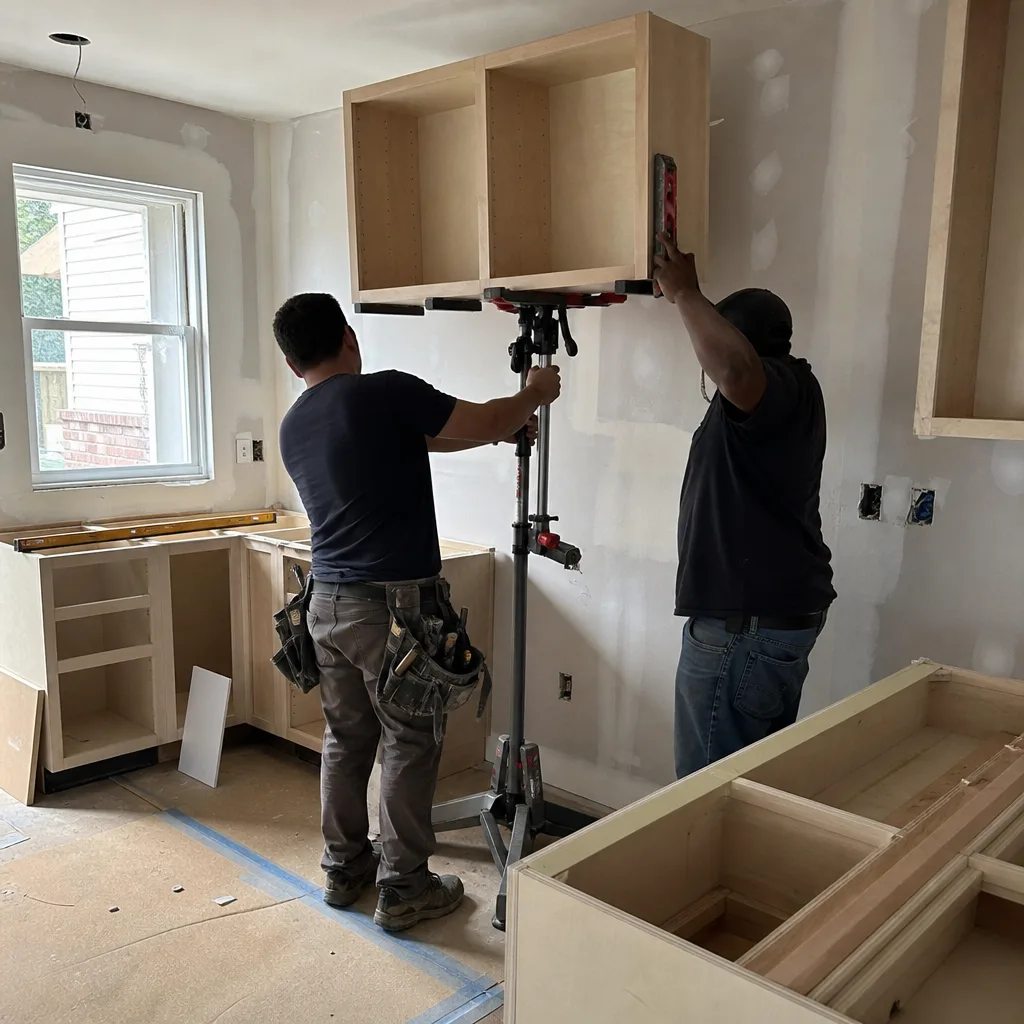
Material costs in Sunnyvale track national wholesale prices plus 8-15 percent for Bay Area distribution. We source through San Jose and Fremont distributors, and the brands named below appear in our written quotes with specific model numbers, not generic descriptions.
Plumbing Fixtures
Kohler vs. American Standard
A full fixture package for a Sunnyvale master bath (toilet, vanity sink, faucet, shower valve and trim, tub filler) runs:
- Kohler Devonshire or Archer lines: $2,800-$4,200
- American Standard Champion/Studio collection: $1,800-$2,800
The installed cost difference is $1,000-$1,500 per bathroom. Kohler’s valve cartridges and finish warranties are longer; American Standard’s flush performance scores higher in independent testing. For rental ADUs in Sunnyvale, we often specify American Standard for durability; for owner-occupied master baths, Kohler for finish consistency.
Windows
Andersen vs. Milgard
Sunnyvale’s climate - mild, marine-influenced, with occasional Santa Ana heat spikes - doesn’t demand the thermal performance of Sacramento or Palm Springs. Window selection here balances U-factor, solar heat gain coefficient, and cost.
- Andersen 400 Series woodwright, installed: $850-$1,200 per window (typical 3×5 double-hung)
- Milgard Tuscany vinyl, installed: $550-$800 per window
- Milgard Ultra fiberglass, installed: $750-$1,050 per window
A 15-window replacement package in a Sunnyvale Eichler runs $12,000-$18,000 with Milgard Tuscany, or $18,000-$25,000 with Andersen 400. The payback period on the Andersen premium exceeds 15 years in Sunnyvale’s climate; we note this in our quotes and let the homeowner decide.
Roofing
GAF vs. CertainTeed
Composite asphalt shingles remain standard for Sunnyvale’s low-pitch ranch and split-level stock:
- GAF Timberline HDZ, installed: $4.50-$6.00 per square foot
- CertainTeed Landmark, installed: $4.75-$6.25 per square foot
- Upgraded GAF Timberline Ultra HD or CertainTeed Landmark Pro: $5.50-$7.50 per square foot
A 2,200-square-foot roof in the Lakewood neighborhood runs $10,000-$14,000 standard, $14,000-$18,000 premium. Both brands carry 50-year material warranties; the installed warranty depends on contractor certification. Rowan is a GAF Master Elite and CertainTeed SELECT ShingleMaster; both certifications require ongoing training and allow us to offer enhanced warranties that non-certified contractors cannot.
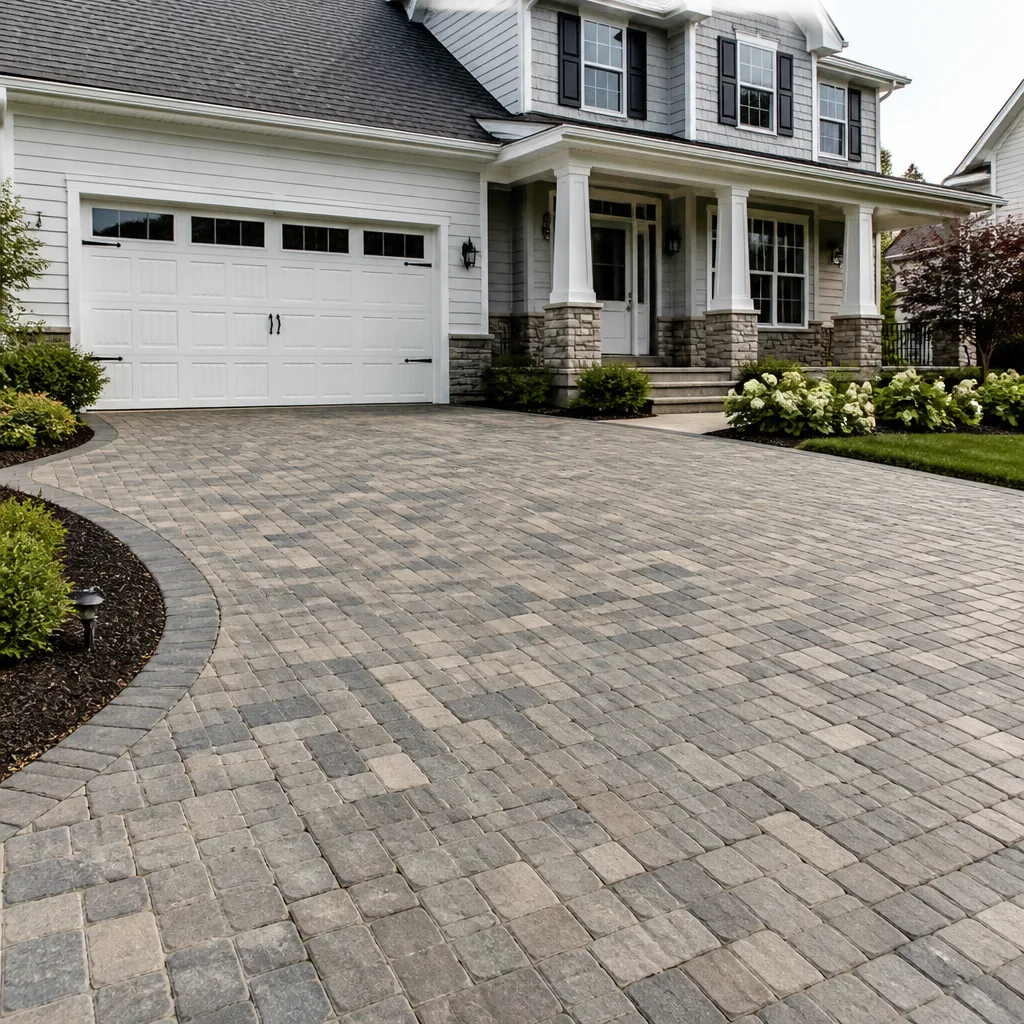
Pavers and Hardscaping
For driveway and patio work, we specify:
- Belgard Catalina or Cambridge Pavers ledgestone: $18-$28 per square foot installed
- Techo-Bloc Blu or Oldcastle Coastal: $16-$24 per square foot installed
- Base material (class 2 aggregate, bedding sand): $3-$5 per square foot
Quikrete and Sakrete bagged concrete for small pads and footings runs $150-$250 per cubic yard delivered and placed, versus $200-$350 per cubic yard for ready-mix with short-load charges. For ADU foundations under 400 square feet, bagged often makes sense; above that, ready-mix with a pump truck is more efficient.
What Your Contingency Actually Covers
A 5-10 percent contingency line in a construction contract is standard. What it covers, and what it fails to cover, depends entirely on how the scope is written. This distinction separates documented contractors from those who rely on verbal assurances.
What a Defined Contingency Covers
In a well-documented Rowan Construction Group Sunnyvale contract, the 7.5 percent contingency is released only for:
- Concealed conditions discovered after demolition (water damage behind tub surround, termite damage in sill plate, asbestos-containing mastic under flooring)
- Code-required upgrades triggered by the project scope (GFCI expansion when touching a circuit, seismic strap additions when replacing a water heater)
- Minor design adjustments requested by the homeowner during construction, documented in a signed change order
Each release requires a written change order with cost breakdown and homeowner signature. No work proceeds on a change until the change order is signed - this is the administrative discipline Haven acquired Rowan for, and the reason our projects finish within a few percent of the agreed cost.
What an Undefined Contingency Fails to Cover
When the scope is loosely defined - “update kitchen,” “renovate bath,” “fix roof” - the contingency becomes a slush fund for:
- Upgrades the contractor “forgot” to include in the base price (undercabinet lighting, exhaust ducting to exterior, proper insulation)
- Correcting errors in the original bid (underestimated tile quantity, missed electrical circuit)
- Scope the homeowner assumed was included (painting adjacent rooms, debris hauling, permit fees)
The tell in contract language: a defined contingency specifies trigger conditions and requires signed authorization. An undefined contingency reads “10% for unforeseen conditions” with no further detail. The former protects both parties; the latter invites dispute.
How to Read Your Contract
Look for these elements:
- Line-item scope with quantities (32 linear feet of base cabinet, not “cabinets as needed”)
- Material specifications with brand and model (Kohler K-2355, not “white undermount sink”)
- Contingency trigger conditions in writing
- Change order process described, with signature requirement stated
- Permit and fee responsibility assigned (typically contractor, but verify)
Under the Haven Standard, Clause 1 requires the written price before work starts; Clause 3 requires signed change orders for any deviation. These are not marketing claims - they’re printed on every contract and backed by a terms page.
How to Read a Sunnyvale Bid Critically
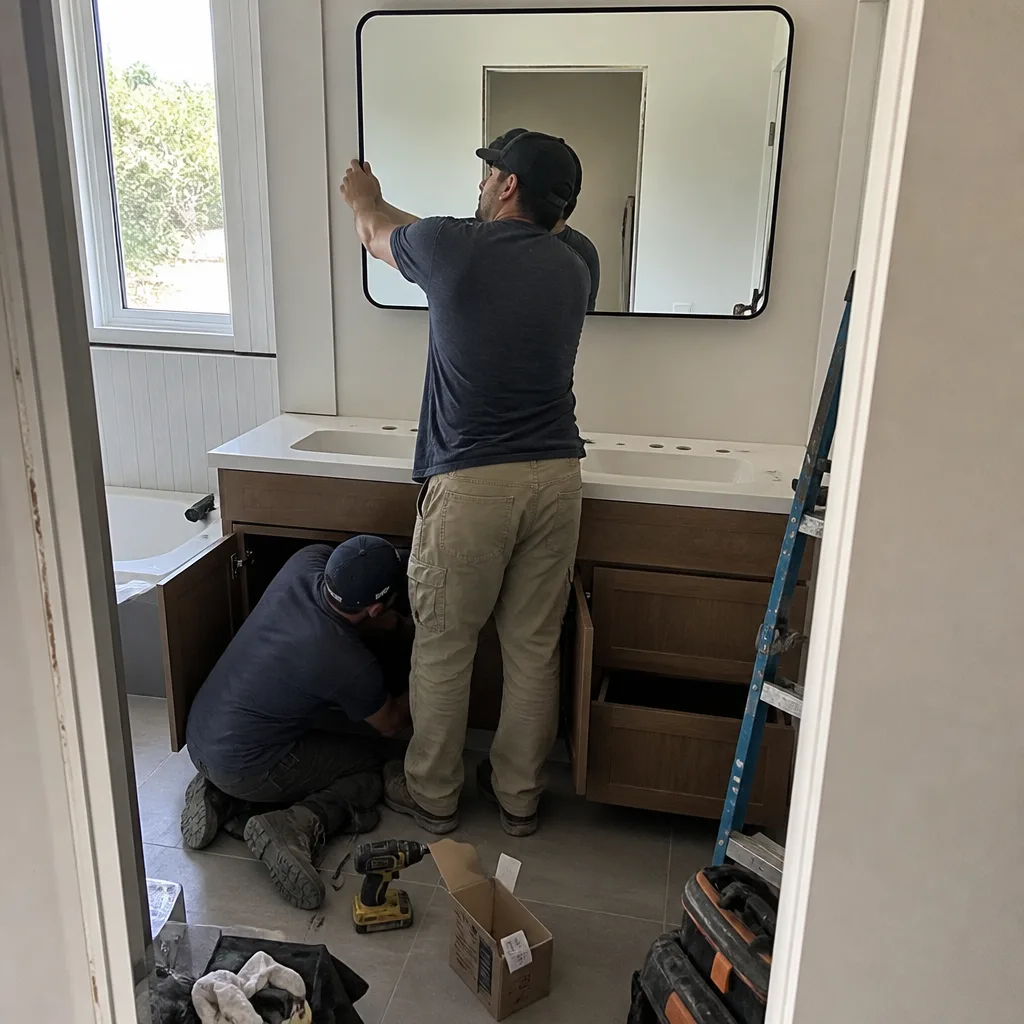
Homeowners in Sunnyvale receive bids that vary by 40 percent or more for the same project. The low bid is rarely the best value; the high bid is not always the most thorough. Here’s how to evaluate.
Step 1: Verify the Scope Match
Before comparing dollar amounts, verify that each bid covers the same work. A $75,000 kitchen bid that excludes electrical panel upgrade, permit fees, and appliance installation is not comparable to a $95,000 bid that includes all three. Create a checklist:
- Demolition and disposal included?
- Permits and fees included?
- Electrical panel upgrade if needed?
- Plumbing rough-in and fixture set?
- All materials specified by brand and model?
- Paint and finish work included?
- Cleanup and protection of adjacent areas?
A bid that answers “TBD” or “as needed” on three or more items is not a firm price. It’s an estimate that will grow.
Step 2: Check the Allowance Structure
Allowances are placeholder dollar amounts for selections not yet made - tile, fixtures, lighting, appliances. In Sunnyvale’s market, we see two failure modes:
- Low allowances: A $200 lighting allowance for a kitchen that needs eight fixtures. The homeowner discovers at selection that adequate fixtures cost $800, and the “overage” becomes a change order.
- Missing allowances: No line for appliances, with the assumption that the homeowner will supply. This creates coordination gaps and warranty disputes.
Rowan’s quotes use realistic allowances based on 2026 distributor pricing, or we specify exact items with homeowner approval. There’s no “allowance trap” because the number in writing is based on actual material costs, not a placeholder to make the total appear lower.
Step 3: Validate the Timeline
A kitchen remodel in Sunnyvale takes 6-10 weeks from permit issuance to final inspection, depending on scope and inspection scheduling. A bid promising 4 weeks is either understaffed (working weekends without permit), cutting scope, or inexperienced. A bid promising 16 weeks may indicate overcommitment or subcontractor scheduling issues.
Ask for the permit submission date, anticipated issuance date, and inspection milestones. A contractor who cannot produce this schedule has not planned the project.
Step 4: Review the Warranty and Documentation
The bid should specify:
- Workmanship warranty term and coverage (Rowan’s 365-Day Done Right Promise is printed on every page)
- Manufacturer warranty registration responsibility
- Documentation provided (photo record, as-built drawings, permit copies)
Our documented photo record on every visit is included as standard - not an upgrade. The customer leaves with evidence of what was found and what was done, stored in their project portal. Explore more guides & resources on planning and managing your build.
Common Mistakes to Avoid
- Accepting a phone quote as a firm price. In Sunnyvale’s competitive market, some contractors provide low verbal estimates to secure the job, then issue change orders once work begins. A written price with line-item scope, delivered before any work starts, is the only valid basis for comparison.
- Ignoring impact fees in ADU budgeting. The $12,000 in school and park fees for a 750-square-foot Sunnyvale ADU is real money that doesn’t appear on the contractor’s bid unless specifically requested. Ask for a permit and fee estimate in writing.
- Choosing the lowest bid without scope verification. A $15,000 difference between bids often reflects $20,000 in missing scope on the low bid. The homeowner pays the difference in change orders, stress, and delayed completion.
- Neglecting to verify license and insurance. California requires a B-General Building contractor license for projects involving multiple trades. Verify at cslb.ca.gov; ask for certificate of insurance with you named as additional insured. Rowan’s license number appears on every proposal.
- Assuming “permit included” means “all permits included.” Some contractors include the building permit but not electrical, plumbing, or mechanical permits. In Sunnyvale, these can total $1,500-$3,500. Verify each permit is listed.
- Skipping the contingency discussion. A bid with no contingency line is optimistic; a bid with a 15 percent contingency and no trigger conditions is suspicious. The right number in Sunnyvale is 5-10 percent with defined release conditions.
- Failing to plan for temporary living. A whole-house renovation in Sunnyvale typically requires 4-6 months. The cost of temporary housing, storage, and disrupted routines should be in your project budget, not treated as an afterthought.
When to Call a Professional
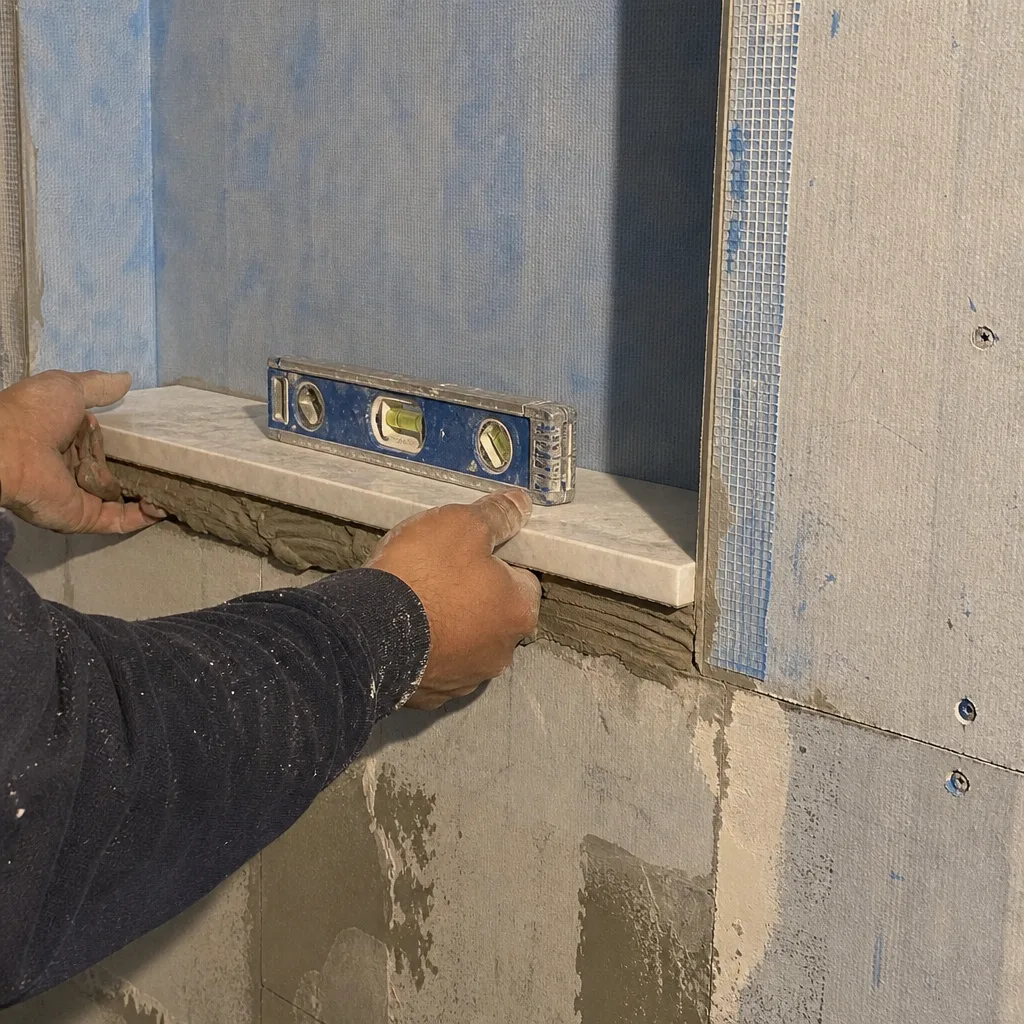
Call a licensed contractor when your project involves structural modification, electrical or plumbing work, or permit requirements - which covers nearly every project in this guide. Sunnyvale requires permits for kitchen and bath remodels that move walls or fixtures, all ADUs and additions, roof replacements over 25 percent of area, and window replacements that alter openings. The permit process protects your property value and ensures code compliance; unpermitted work must be disclosed on sale and can trigger costly retrofits.
Specifically, seek professional evaluation if you notice sloping floors before a renovation (possible foundation settlement), galvanized steel plumbing (pre-1970 Sunnyvale homes), a Federal Pacific or Zinsco electrical panel (fire hazard, uninsurable), or roof decking that feels spongy (structural decay). These conditions affect project scope and pricing significantly; identifying them in the bid phase prevents mid-project surprises.
Rowan Construction Group Sunnyvale home offers free estimates in Sunnyvale - call (650) 405-3637 to schedule. We provide a written price before any work starts, a free second opinion on any competitor’s written estimate, and a documented photo record on every visit. Our 365-Day Done Right Promise means if it’s not done right, we make it right - backed by The Haven Standard, not a handshake.
Frequently Asked Questions
A full kitchen remodel in Sunnyvale costs $75,000-$150,000 for a typical 200-square-foot space, or $450-$750 per square foot. The range reflects finish level, structural changes, and whether electrical and plumbing systems need upgrade. Call (650) 405-3637 for an exact quote - estimates are free.
The price should not change for defined scope. Under the Haven Standard, no work proceeds on a change until the change order is signed. Projects finish within a few percent of the agreed cost when the scope is documented and changes are authorized in writing. If your contract lacks this discipline, price changes are likely.
Yes. Rowan Construction Group Sunnyvale pulls all required permits - building, electrical, plumbing, mechanical - and schedules inspections. Permit fees are itemized in the written quote. The homeowner receives copies of all permits and inspection sign-offs at project completion.
A 400-square-foot room addition takes 4-6 months from permit application to final inspection, including 6-10 weeks for permit issuance in Sunnyvale’s current queue. A second-story addition runs 6-9 months. These timelines assume no weather delays and responsive homeowner decisions on selections.
If any aspect of our work is not done right, we make it right within 365 days of completion - no deductible, no dispute, no delay. The guarantee is printed on every contract page and backed by a terms page, not an asterisk. This applies to workmanship and installation; manufacturer defects are covered by the product warranty.
Yes, for homeowners with specific use cases - rental income, multigenerational housing, or future sale appeal. At $250-$400 per square foot, a 500-square-foot ADU costs $175,000-$280,000. Sunnyvale’s rental market supports $2,500-$3,500 monthly for a studio ADU, yielding 7-12 percent gross annual return before expenses. The math is tighter than in 2021, but still positive for long-term holders. School and park impact fees add $12,000-$15,000 that must be factored into the investment.
The Bottom Line
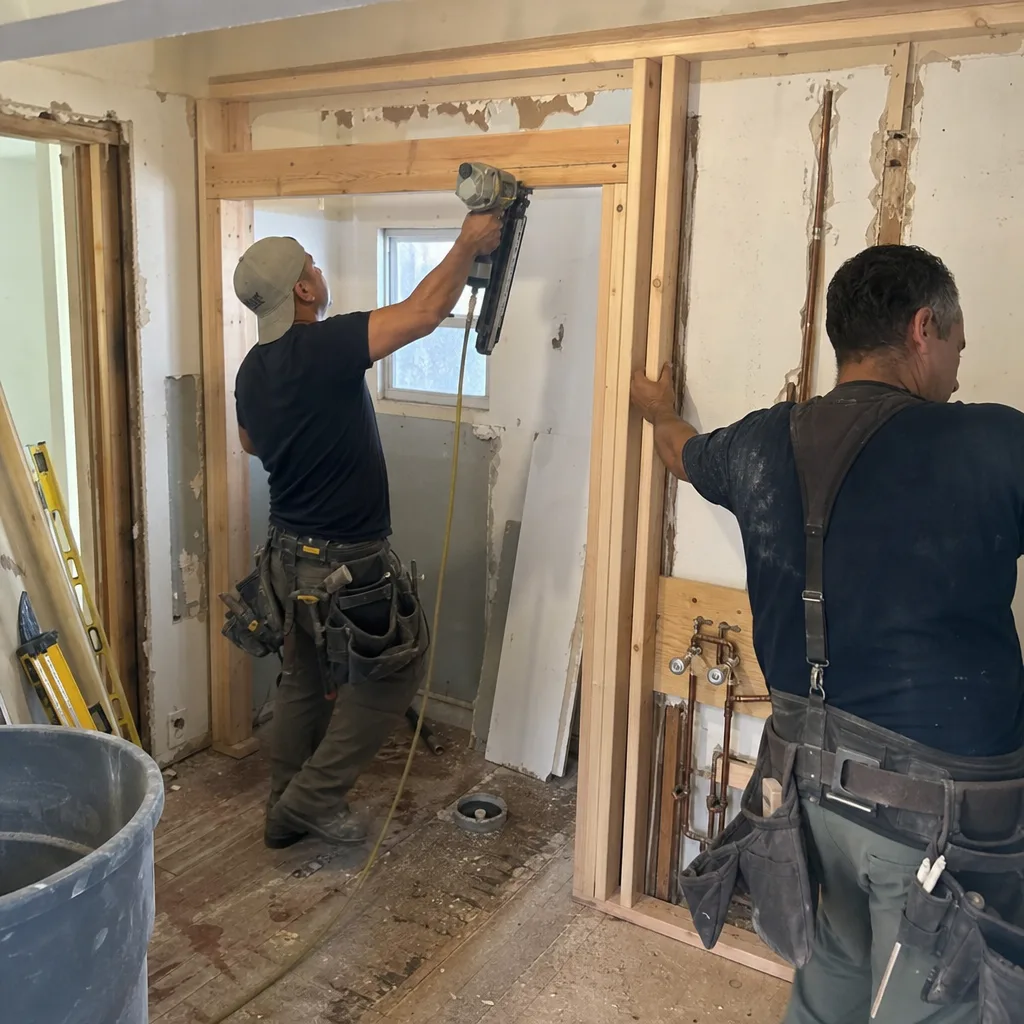
Construction costs in Sunnyvale in 2026 are knowable, documentable, and comparable across bids when you demand written scope and line-item pricing. The premium over statewide averages - 30-50 percent in electrical and plumbing, 15-25 percent in roofing and framing - reflects Santa Clara County’s labor market, not contractor markup. Permit fees scale with project valuation, and ADUs trigger school and park impact fees that add $12,000 or more. Material choices between Kohler and American Standard, Andersen and Milgard, GAF and CertainTeed create $1,000-$15,000 swings in project cost with real performance differences. A 5-10 percent contingency protects against concealed conditions when it’s defined; it’s a liability when it’s vague. The homeowner who reads bids critically - verifying scope match, allowance realism, timeline feasibility, and warranty documentation - gets the project they paid for at the price they agreed to.
Written by Grant Rowan, Owner at Rowan Construction Group Sunnyvale, serving Sunnyvale since 2007.