
Last updated September 25, 2026
Free written scope consultation - allowances, timeline, and change-order rules on paper before a single trade is scheduled
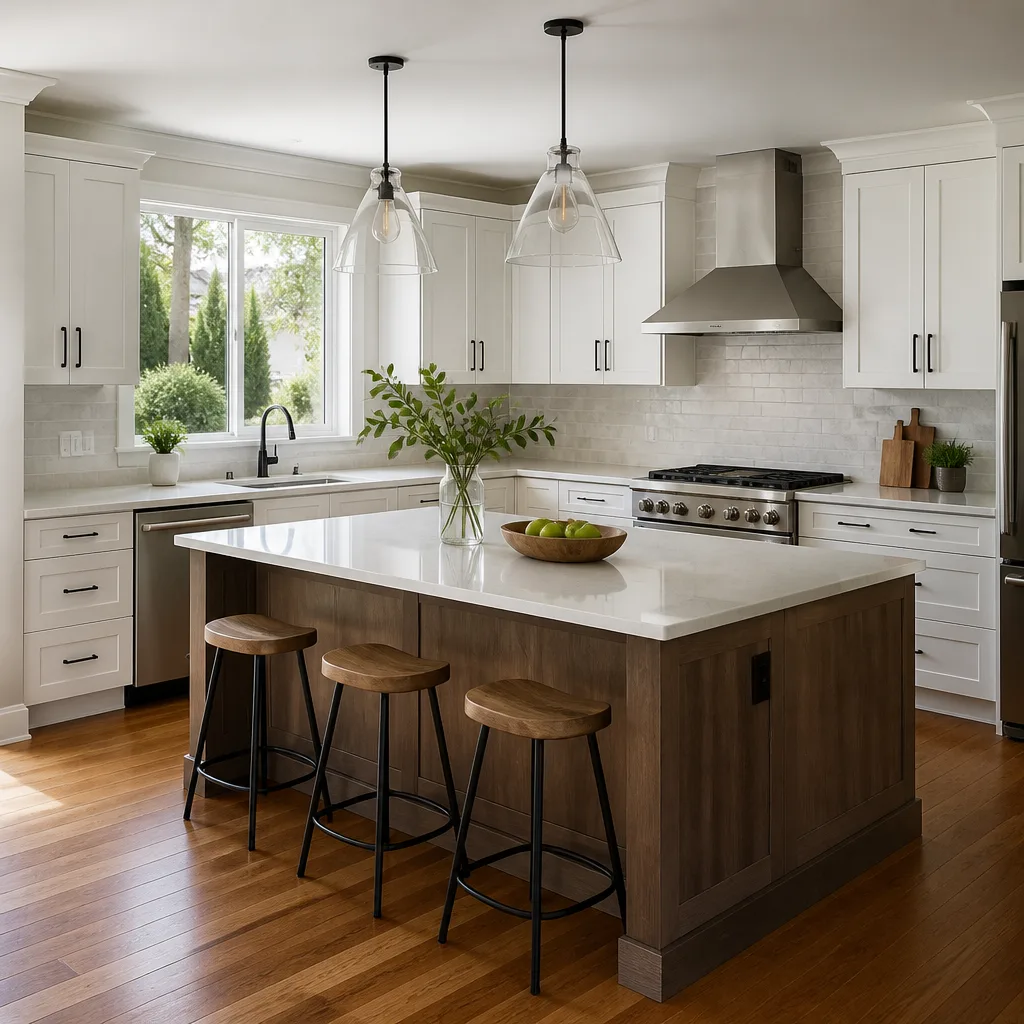
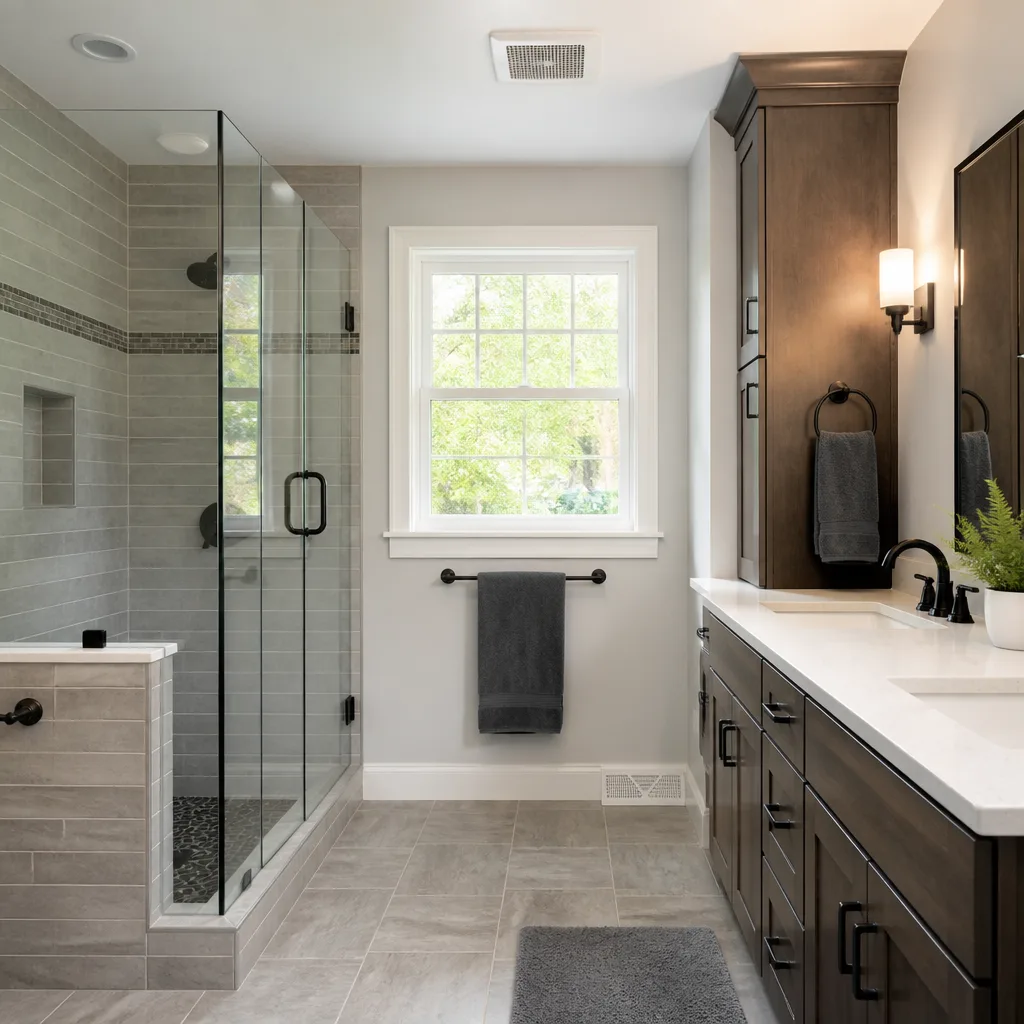
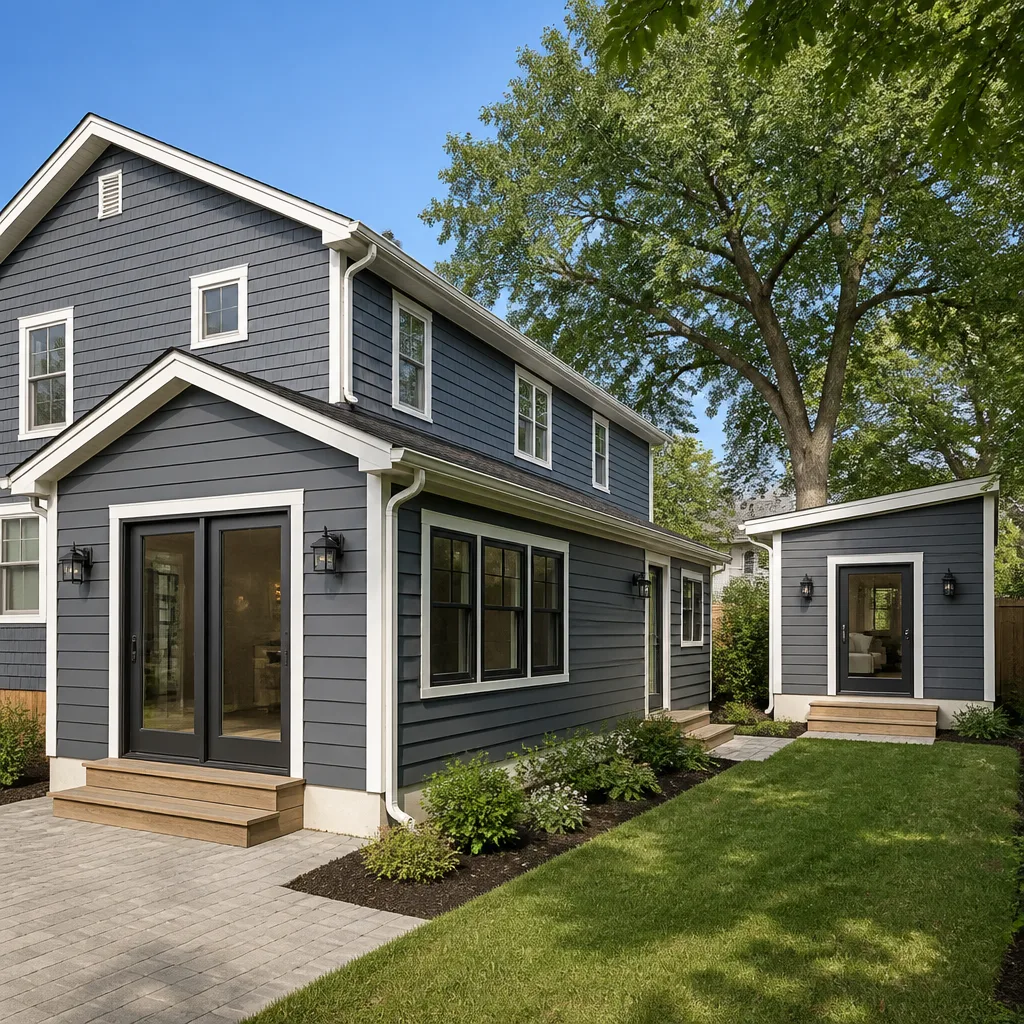

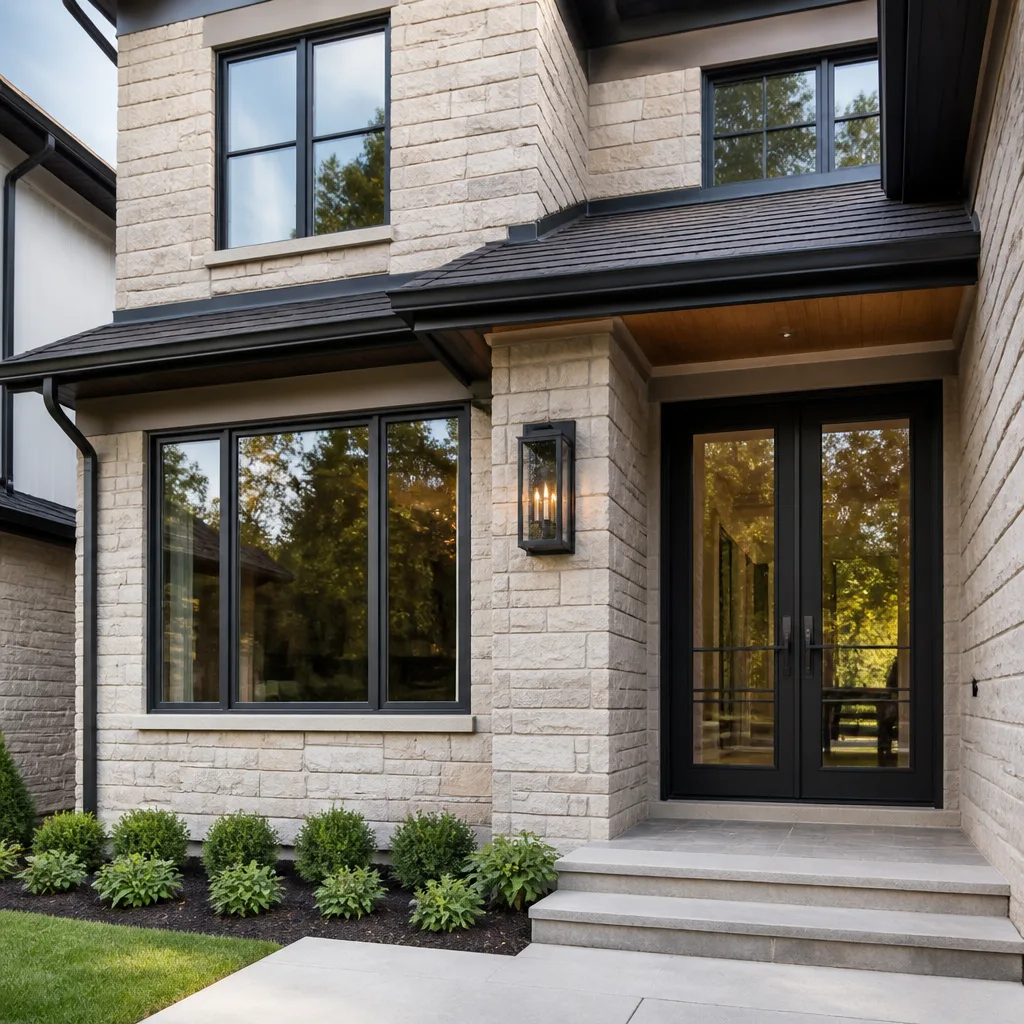
 Before
 After
After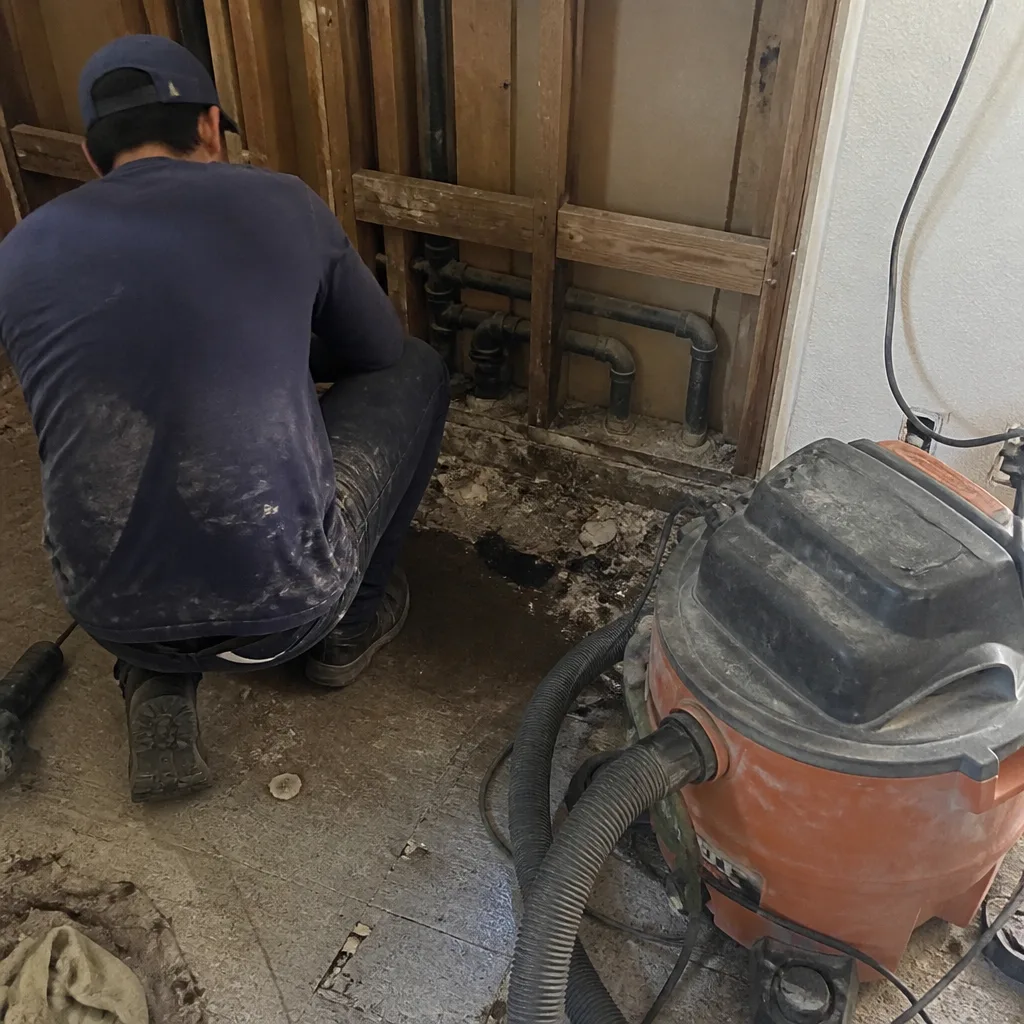 Before
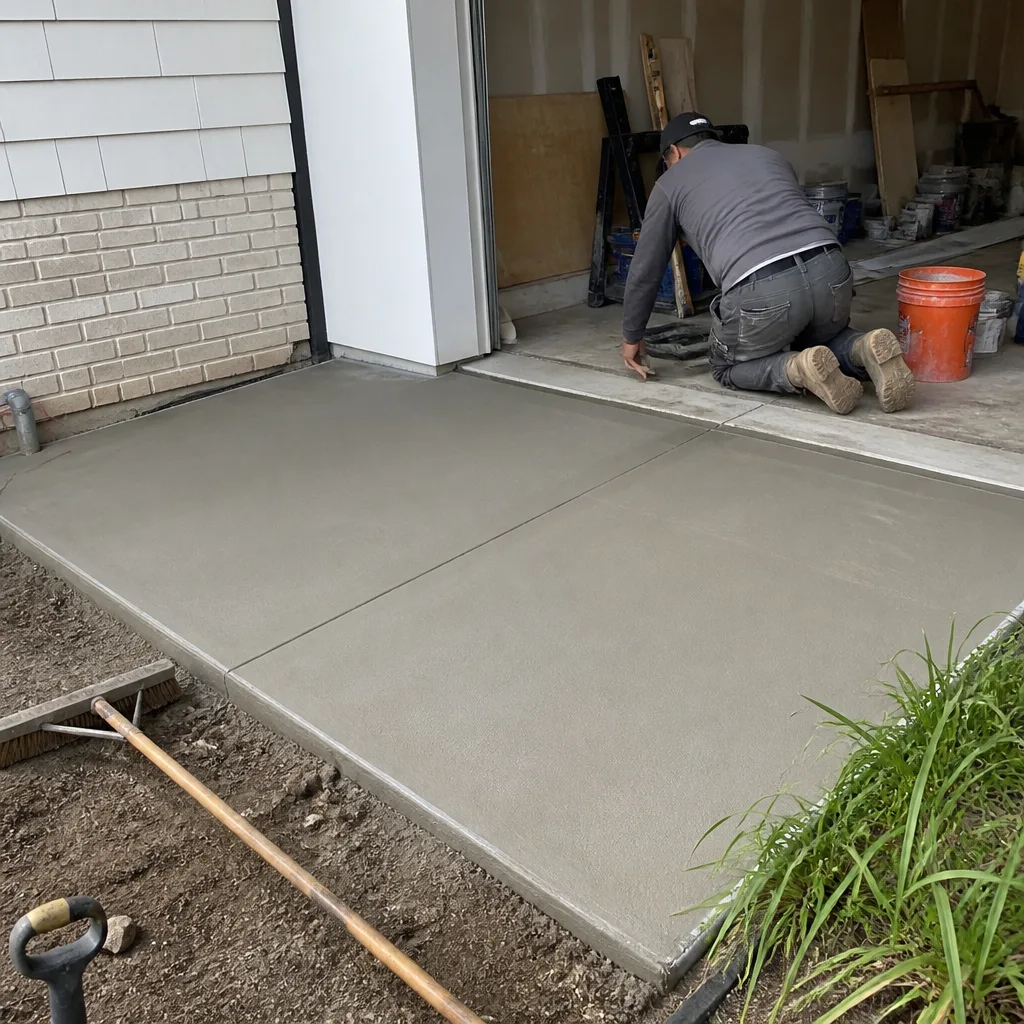 After
After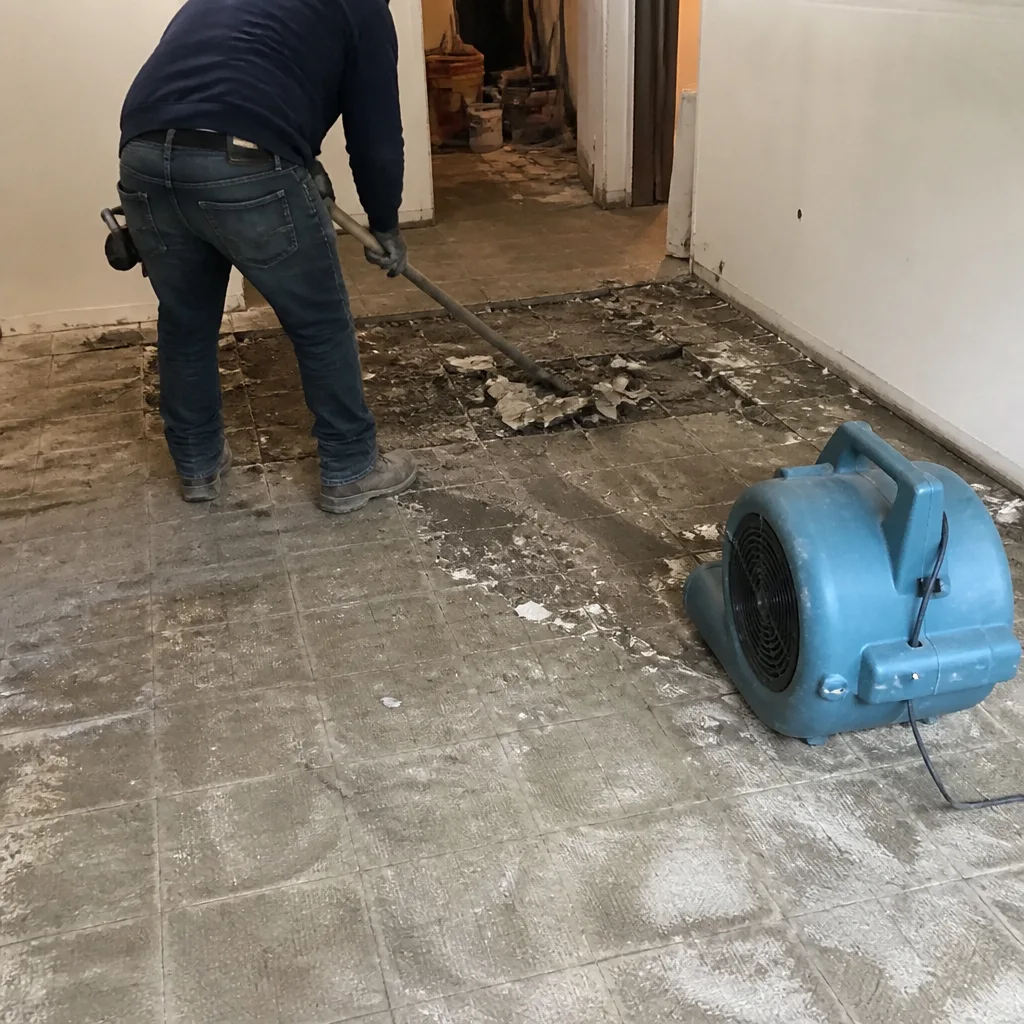 Before
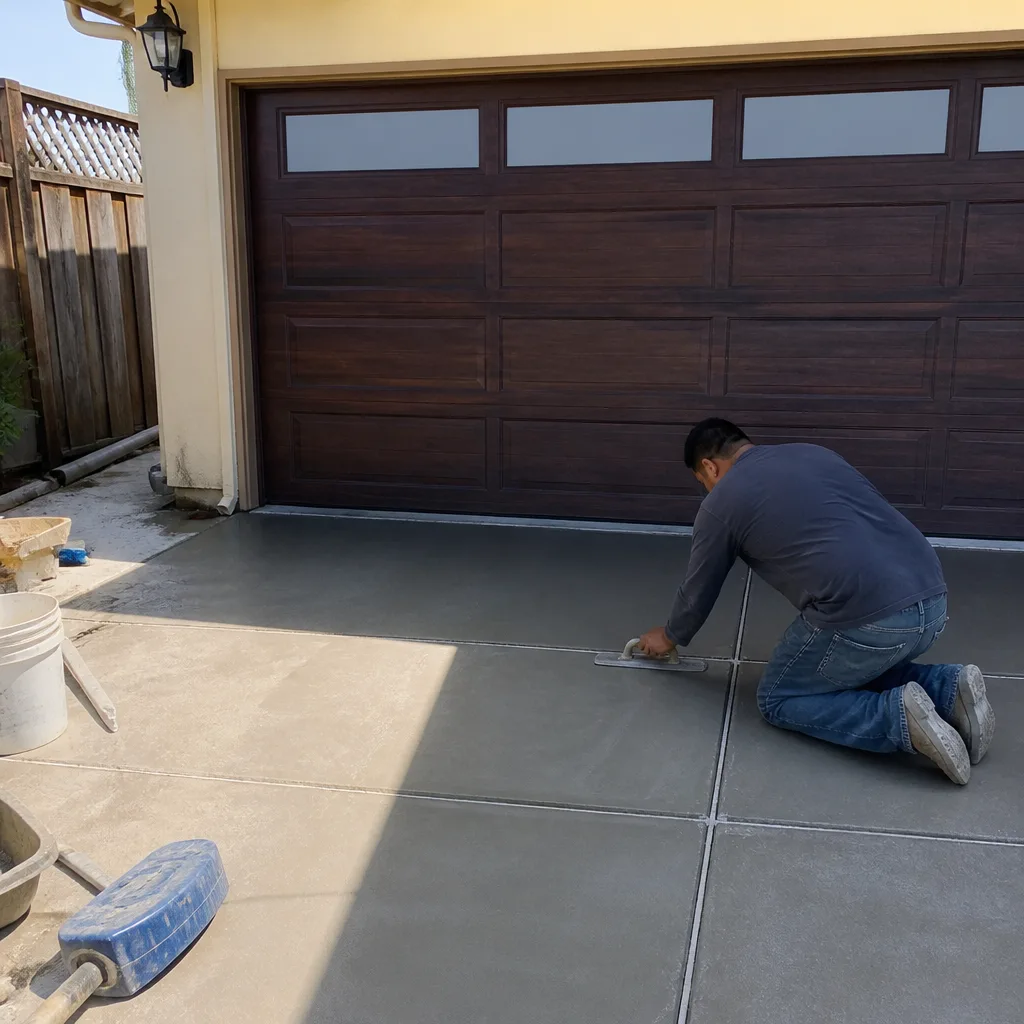 After
AfterConstruction Warning Signs: A Sunnyvale Homeowner’s Reference Guide
A bid that arrives without a line-item material list isn’t just vague - it’s a structural mechanism that lets a contractor substitute lower-grade materials after signing with no contractual violation, because the grade was never specified. In Sunnyvale, where the median home value sits above $2 million and a kitchen remodel routinely runs $80,000-$150,000, that substitution can cost a homeowner tens of thousands in mid-project change orders. This guide shows you the specific warning signs that appear in documents, licensing records, and on-site behaviors before you’ve signed anything - and exactly what each one predicts about how your project will actually go. For step-by-step guidance on finding a qualified professional in this market, see our companion resource.
Quick Answer
The most reliable construction warning signs are readable in paper and data before work starts: bids without material brand specifications, contractors who won’t put answers in writing, down payments above 10 percent, expired workers’ comp certificates, and CSLB records showing prior bond claims. In Sunnyvale’s high-cost market, these predict cost overruns, schedule delays, and quality failures with better accuracy than intuition or referrals alone.
Table of Contents
- Bid Document Red Flags: What the Paperwork Reveals
- License and Insurance Verification: The CSLB and Beyond
- Communication Patterns That Predict Schedule Problems
- Payment Schedule Red Flags
- On-Site Warning Signs Once Work Begins
- Sunnyvale-Specific Factors: Climate, Code, and Market Conditions
- How to Verify a Contractor: A Step-by-Step Process
- Common Mistakes to Avoid
- When to Call a Professional
- Frequently Asked Questions
 Before
 After
AfterBid Document Red Flags: What the Paperwork Reveals
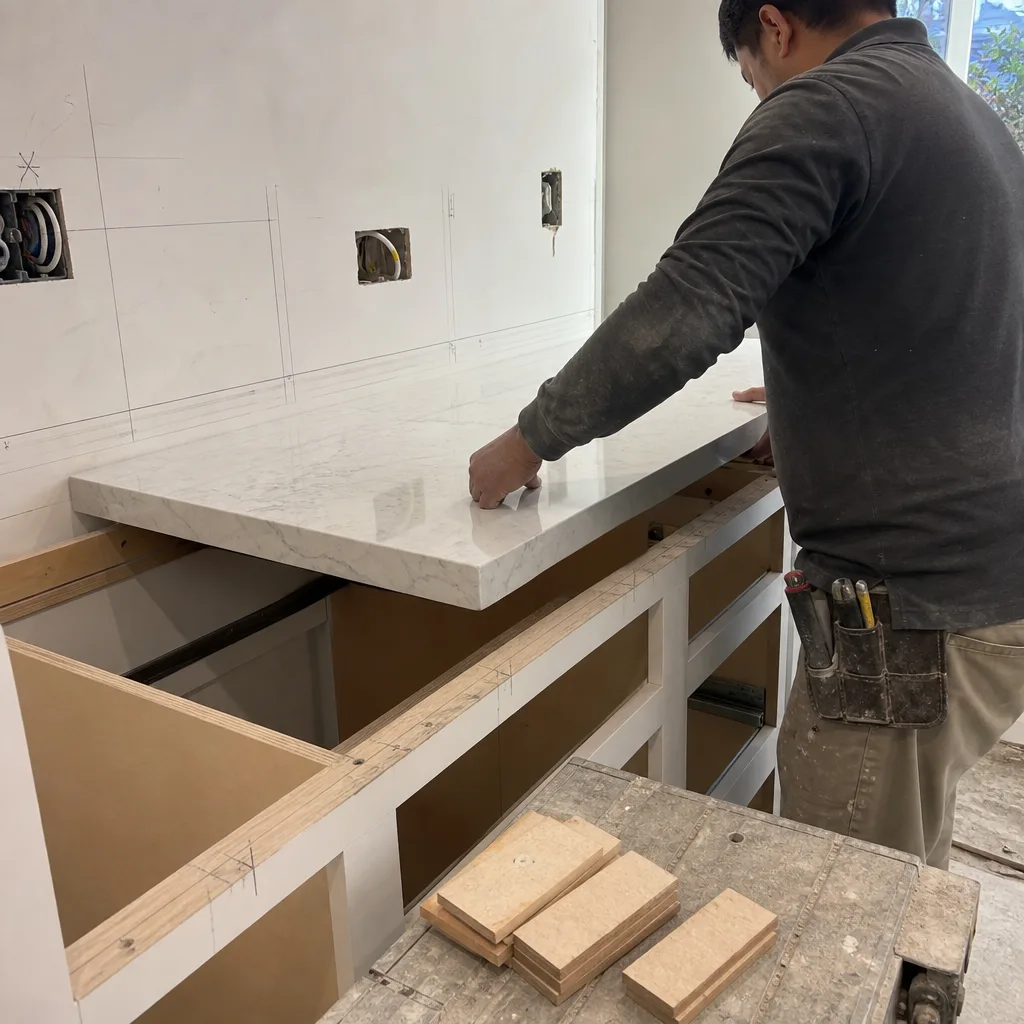
The bid document is where most problems are encoded before the first hammer swings. A well-constructed bid functions as a contract’s foundation; a poorly constructed one functions as an escape hatch for the contractor.
Missing Brand Specifications
We see this constantly in Sunnyvale, where homeowners in neighborhoods like Birdland and Cherry Chase receive bids for kitchen remodeling in Sunnyvale with lines like “cabinets: $18,000” or “countertops: $8,500.” The problem isn’t the price - it’s that no brand, line, or spec is named. KraftMaid’s entry-level semi-custom cabinet runs roughly half the cost of their full custom line; Cambria quartz carries a different warranty and fabrication requirement than a generic import. Without the brand named, the contractor can install the cheapest qualifying material and claim compliance.
Under Clause 1 of the Haven Standard, every Rowan quote names the manufacturer and product line - Wellborn Premier series, Caesarstone 4000-series, GAF Timberline HDZ - because the written price means nothing without the written spec.
Lump-Sum Labor with No Hour Estimate
A labor line reading “$45,000 - labor” tells you nothing about crew size, duration, or hourly rate. A three-person crew for four weeks at $85/hour is a very different proposition than two people for ten weeks at $55/hour with overtime. The lump-sum labor line lets contractors:
- Stretch the schedule when other jobs demand attention, with no penalty
- Substitute less-skilled workers mid-project without adjusting price
- Claim “unforeseen conditions” to renegotiate, since the original estimate had no basis to compare against
We quote labor with crew composition, estimated hours, and milestone dates - not because we’re generous, but because a number without a basis isn’t a price, it’s a guess.
“Allowances” Set Below Market Reality
Allowances are placeholder numbers for finishes the homeowner will select later - tile, fixtures, lighting. The red flag appears when those allowances sit 30-50 percent below actual replacement cost. A $400 plumbing fixture allowance in a Sunnyvale master bath won’t cover a Kohler or Toto valve assembly; a $2/square foot tile allowance won’t cover porcelain suitable for wet areas. After your remodel is complete, protect that investment with our Kitchen Remodeling Maintenance Checklist for Sunnyvale Homeowners. The contractor knows you’ll exceed the allowance, which triggers a change order - often with markup - and suddenly the “base price” bid was never achievable.
Our allowances are calculated from fifty-plus vetted brand price lists, updated quarterly, and we show the homeowner the source catalog page. If you want to spend less, you can; if you want more, you know the delta before signing.
License and Insurance Verification: The CSLB and Beyond
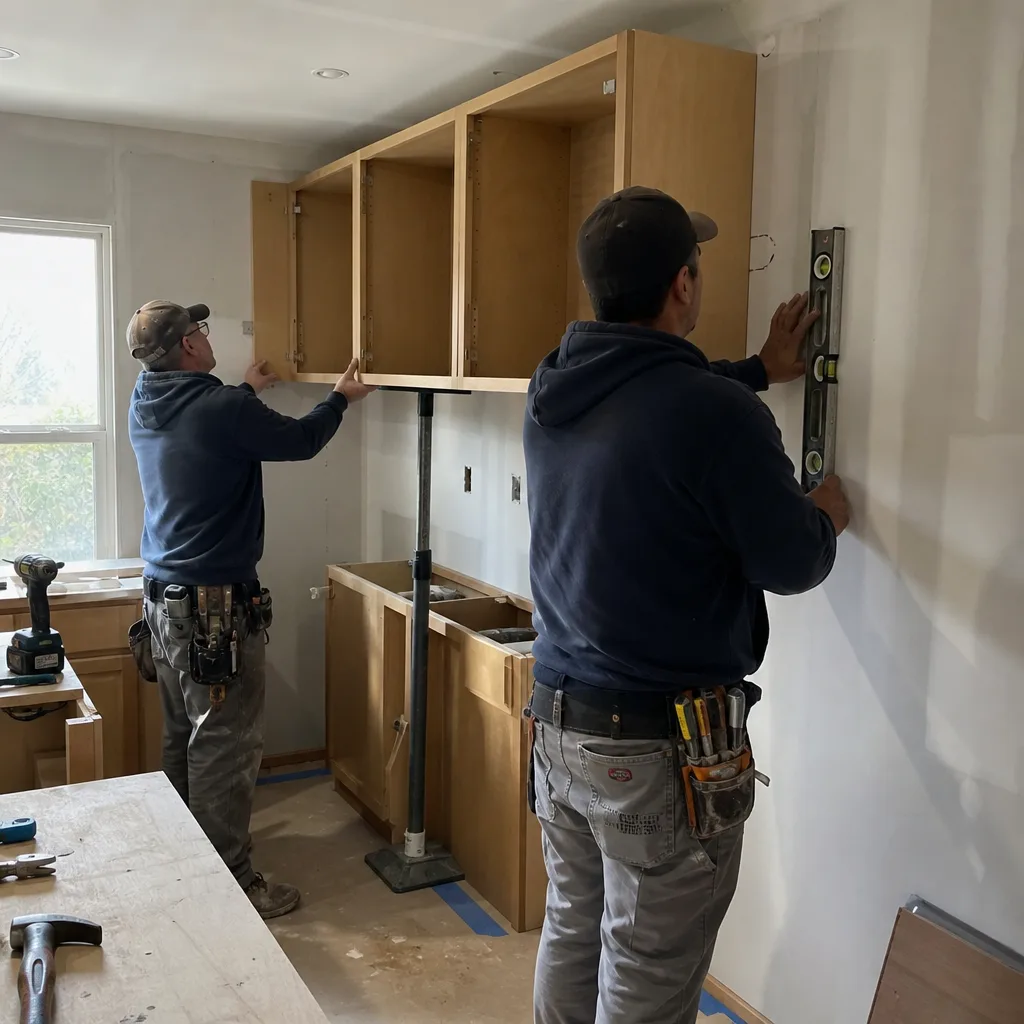
California’s Contractors State License Board maintains public records that most homeowners never check. The 15 minutes spent here often reveals more than an hour of reference calls.
CSLB Record Review: What to Look For
Start at cslb.ca.gov with the contractor’s license number. Verify these specific items:
- License status: Active, not suspended or expired.
- Classification: Matches the work - a B-General Building contractor can perform structural work; a C-36 Plumbing contractor cannot legally frame an addition.
- Workers’ compensation: Certificate current and coverage amount appropriate for crew size. A $1 million policy with six employees is standard; the same policy with twenty employees suggests underreporting or misclassification.
- Bond history: Prior bond claims indicate customers who had to file against the contractor to recover money - not disputes, but actual failures to perform or pay subcontractors.
- Disciplinary actions: CSLB citations, suspensions, or probation terms. Even resolved actions show a pattern of compliance problems.
In Sunnyvale, where many homeowners hire for roofing in Sunnyvale or ADU construction, we’ve seen contractors with active licenses but expired workers’ comp - meaning if a worker is injured on your property, your homeowner’s policy may be primary. That’s a six-figure exposure hidden in a checkbox.
Bond Amount vs. Project Value
California requires a $25,000 contractor bond. On a $400,000 home addition in Sunnyvale’s Serra neighborhood, that bond covers 6.25 percent of project value if the contractor defaults. The bond protects the state and unpaid subcontractors first; homeowners recover last and partially. For projects above $200,000, we recommend requiring a performance bond from a surety company - a separate instrument that names the homeowner as beneficiary. Most contractors who can’t qualify for surety bonding won’t mention this option.
Additional Insured Status
Request to be named “additional insured” on the contractor’s general liability policy for the project duration. This isn’t standard practice in residential construction, which is precisely why it matters - it forces the contractor to contact their insurer, who will verify the policy is active and properly rated. A contractor who refuses or delays this request may have coverage gaps they’re hiding.
Communication Patterns That Predict Schedule Problems
How a contractor communicates before signing predicts how they’ll manage the project. Specific patterns correlate with specific failures.
Verbal Answers to Written Questions
You email: “Will the tile backsplash installation include waterproofing membrane behind the cooktop?” The contractor calls back with a verbal answer. You ask again in writing; they call again. This pattern isn’t friendliness - it’s a deliberate avoidance of written record. When the membrane isn’t installed and grease stains the drywall, there’s no documentation of what was promised.
We answer written questions in writing, every time. Clause 1 of the Haven Standard requires it - the written price requires a written scope, and the written scope requires written clarification. A contractor who won’t put answers in email won’t put specs in the contract.
Vague Scheduling Language
“We’ll start in a few weeks” or “Weather permitting, we should be done by fall” are not schedules. A reliable contractor provides milestone dates: permit submission by X, rough inspection by Y, substantial completion by Z, with float days named for known variables (Sunnyvale’s rainy season runs November through March, and exterior work needs contingency).
We provide a Gantt-style schedule with every quote, including permit lead times - currently 4-6 weeks for kitchen remodeling in Sunnyvale through the city, longer if Sunnyvale’s planning department requires design review for exterior changes.
No Single Point of Contact
Some contractors route you to an estimator, then a project manager, then a foreman, none of whom communicate with each other. You describe your cabinet preference to the estimator; the foreman installs what was in the original notes. The fix requires a change order - your cost, their error.
Our projects have one Rowan manager from quote through final walkthrough, with a documented photo record uploaded after every visit so the next crew sees what the previous one did. The customer gets the same link.
Payment Schedule Red Flags
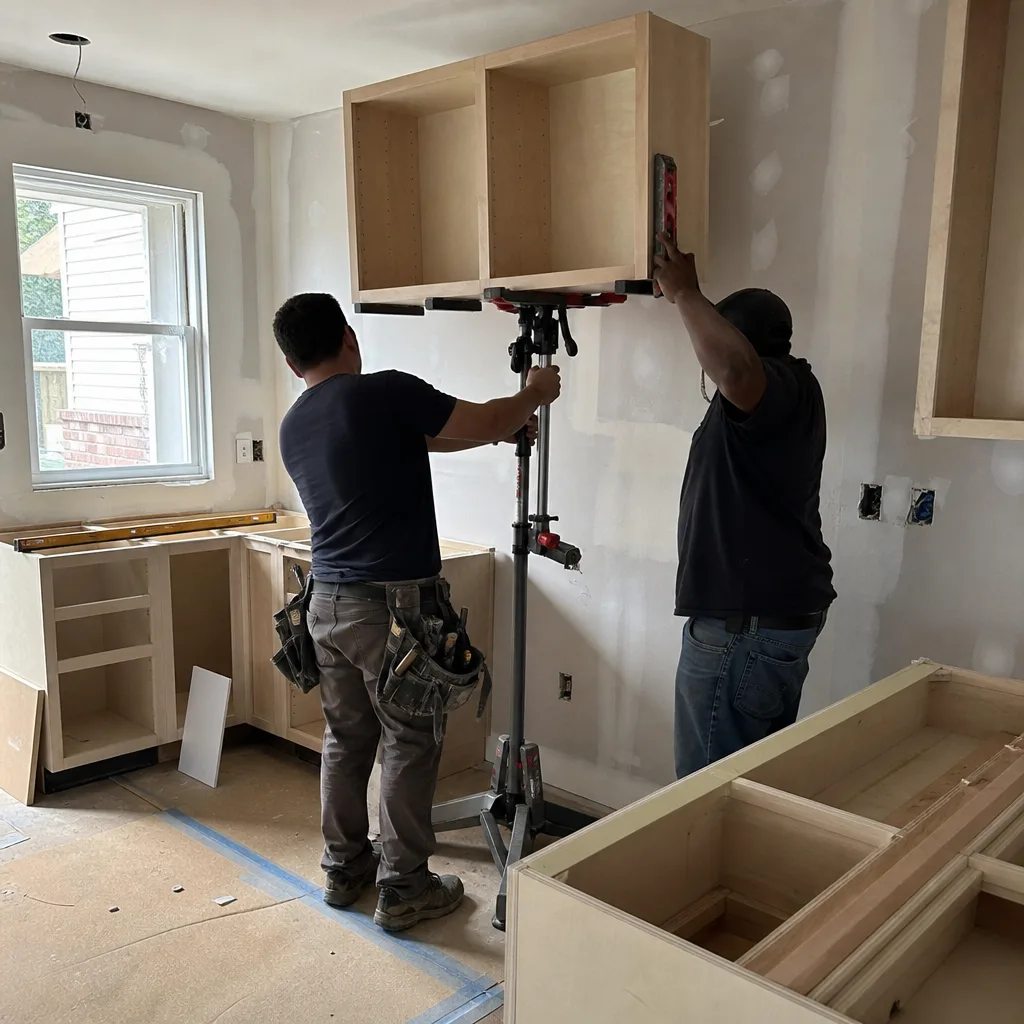
California law limits down payments to 10 percent of contract price or $1,000, whichever is less, before work begins. Beyond that, payment should align with verifiable progress.
Front-Loaded Payment Structures
A payment schedule reading “50 percent down, 40 percent at rough, 10 percent at completion” means the contractor collects 90 percent before final inspection. On a $100,000 project, that’s $90,000 with $10,000 of leverage remaining to correct defects. We’ve seen contractors in Santa Clara County take 50 percent deposits, then delay start dates for months while working other jobs - the homeowner’s capital is now the contractor’s financing.
Our standard schedule: 10 percent at signing, 25 percent at permit approval, 25 percent at rough inspection, 25 percent at substantial completion, 15 percent at final punch list. Each payment requires a passed inspection or signed milestone acceptance. Under the Haven Standard, no payment is due until the work it covers is verified.
Payments to Individuals, Not Companies
A request to make checks payable to the owner’s personal name, or to “save tax” by paying cash, suggests the contractor is operating outside their licensed entity. This voids your CSLB protections, may invalidate their insurance, and in a dispute you may have no contractual counterparty. We accept payment only to Rowan Construction Group’s business account; every invoice references the contract number and milestone.
Material-Specific Deposits
For custom-ordered materials - KraftMaid cabinets with a 10-12 week lead time, or ECO Window Systems with custom sizing - a material-specific deposit held in escrow is reasonable. A general “deposit” with no material ordered is not. We specify exactly what material the deposit purchases, provide the manufacturer’s order confirmation, and hold the funds in a segregated account until delivery.
On-Site Warning Signs Once Work Begins
Even well-vetted contractors can show problems once crews arrive. These are the on-site indicators that the documented plan isn’t being followed.
No Posted Permit Card
California requires the building permit to be posted visibly on the job site. Its absence suggests work without permit - which means no inspection, no certificate of occupancy for the work, and potential disclosure problems when you sell. In Sunnyvale, unpermitted ADU work can trigger city enforcement requiring removal or retroactive permitting at much higher cost. Check the permit card’s inspection record; passed inspections should be initialed and dated.
Subcontractors Arriving Without the GC Present
The general contractor’s primary function is coordination and quality control. If plumbers, electricians, or drywall crews arrive and work unsupervised, there’s no one verifying that the work matches the spec and integrates with other trades. We require a Rowan manager on-site for every trade’s first day and at rough inspection minimum; the photo record documents what was installed before walls close.
Material Deliveries That Don’t Match Specifications
The shingle truck arrives with a brand you didn’t specify. The window crates show a different manufacturer than quoted. The paver pallets lack the Belgard or Techo-Bloc markings that confirm origin. These aren’t shipping errors - they’re substitutions that save the contractor money and cost you performance or warranty coverage.
Our crews photograph material deliveries with visible brand labels and serial numbers; the customer receives these photos before installation begins. If Cambria quartz arrives without the Cambria shipment label, we don’t cut it.
Incomplete or Absent Safety Practices
Exposed rebar without caps, unguarded excavations, ladders not tied off on roofing in Sunnyvale work - these predict injury claims that may reach your homeowner’s policy, and they predict sloppy work elsewhere. A contractor who doesn’t protect workers doesn’t protect your property.
Sunnyvale-Specific Factors: Climate, Code, and Market Conditions
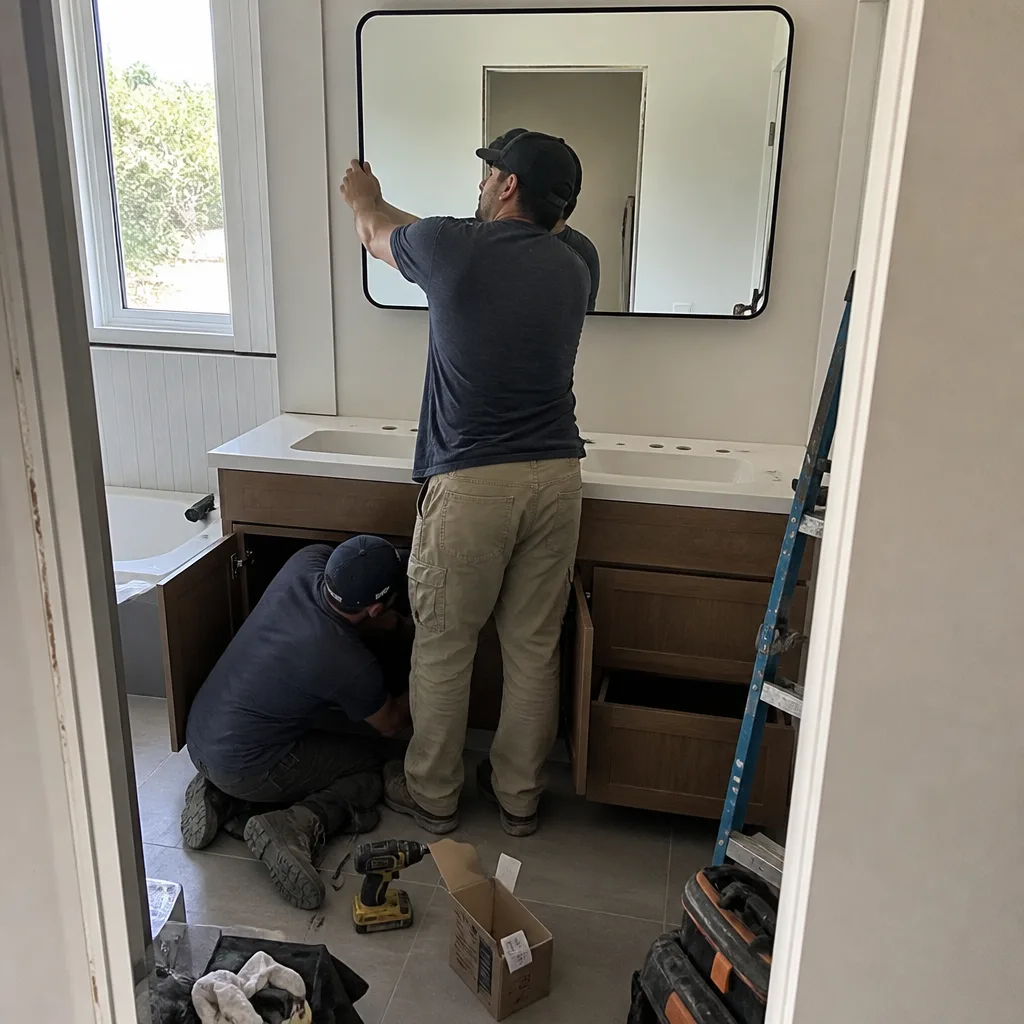
Sunnyvale’s construction environment has characteristics that amplify certain warning signs or create unique ones.
Seismic and Geotechnical Requirements
Sunnyvale sits in a high seismic zone with liquefaction potential in areas near former marshland. Foundation work, retaining walls, and ADU construction require geotechnical reports and engineered drawings that many contractors underestimate or omit to lower bids. A bid for an ADU without line-item engineering costs - typically $3,000-$8,000 in Sunnyvale - likely assumes you’ll absorb them later as “unforeseen” change orders.
Silicon Valley Labor Market Effects
The region’s high wages and housing costs create contractor labor pressures you won’t see in other markets. Crews may commute from Stockton or Modesto, arriving late or fatigued. Bids that seem low for the market may reflect sub-market wages that predict turnover and quality inconsistency. Our crews are full-time Rowan employees, not day labor; the wage structure is built into every quote.
Permit and Inspection Complexity
Sunnyvale contracts plan check to private firms for some project types, adding a coordination layer. Contractors unfamiliar with this system - often those from outside Santa Clara County - face delays they didn’t price for. Ask specifically: “Who submits permits, and what’s your current lead time with Sunnyvale?” An answer of “we’ll figure it out” is a schedule risk.
HOA and Design Review Requirements
Many Sunnyvale neighborhoods, including parts of Lakewood and Ponderosa, have homeowners associations with architectural review committees. A contractor who begins work without HOA approval, or who dismisses it as “not our problem,” creates a stop-work risk. We verify HOA requirements before quoting and include approval timeline in our schedule.
How to Verify a Contractor: A Step-by-Step Process
- Collect three written bids with line-item material specifications, labor hour estimates, and milestone schedules. Bids without these elements are not comparable and should be rejected.
- Verify CSLB license at cslb.ca.gov, checking status, classification, workers’ comp, bond history, and disciplinary record. Print or screenshot the results.
- Request certificate of insurance naming you as additional insured, with coverage dates matching project duration. Call the insurer to verify.
- Check litigation and lien records through Santa Clara County Superior Court and the county recorder’s office. Multiple mechanic’s liens from unpaid subcontractors suggest cash flow problems.
- Review the payment schedule against California’s 10 percent down payment limit. Front-loaded schedules require justification in writing.
- Request and contact three references for projects similar in scope and value, completed 12-36 months prior. Recent projects haven’t aged enough to reveal problems; older ones may not reflect current crew quality.
- Visit an active job site unannounced. Observe organization, safety practices, permit posting, and crew supervision. A contractor who won’t provide an address may be hiding conditions.
- Require written answers to at least five specific questions about your project. Verbal-only responses are a disqualifier.
- Compare material allowances to retail pricing for specified brands. Allowances 30 percent below market predict mandatory change orders.
- Review the contract for change order procedure. It should require written scope, price, and signature before any additional work proceeds. Verbal change approvals are unenforceable.
Rowan offers a Free Second Opinion on Any Written Estimate - bring a competitor’s quote and we’ll review it line by line against these criteria at no charge. Most homeowners who use this service discover one or more of the warning signs above embedded in a bid they were ready to sign. Explore more guides & resources to protect your investment at every stage.
Common Mistakes to Avoid
- Trusting the lowest bid without specification comparison. A $75,000 kitchen bid against a $95,000 bid isn’t cheaper if the first uses particleboard boxes and the second uses Wellborn plywood construction - but you won’t know without the spec sheet.
- Accepting “allowance” numbers without source verification. In Sunnyvale’s high-cost market, a $500 appliance allowance might cover a refrigerator in Modesto; here it covers a compact unit. Verify against local retail or our brand catalogs.
- Skipping CSLB verification for “referred” contractors. Personal referrals validate personality, not compliance. We’ve seen beloved contractors with expired bonds and active complaints.
- Paying deposits to “hold a slot.” This is urgency theatre, not scheduling. Reliable contractors schedule based on permit readiness and material delivery, not deposit timing. Our slots open when the previous project’s punch list closes.
- Ignoring permit requirements for “minor” work. Sunnyvale requires permits for water heater replacement, electrical panel upgrades, and most structural modifications. Unpermitted work must be disclosed on sale and may require costly remediation.
- Verbal agreements for “small” changes. A $2,000 electrical upgrade agreed to verbally becomes a $4,000 dispute when the scope isn’t documented. Under the Haven Standard, no work proceeds on a change until the change order is signed - the administrative discipline that has kept our projects within a few percent of the agreed cost since 2007.
- Assuming all window brands are equivalent. In Sunnyvale’s climate, with summer heat gain and winter moisture, window specification matters for energy performance and warranty. CGI and CWS aluminum products suit different exposure conditions than ECO Window Systems vinyl lines - the bid should specify which and why.
When to Call a Professional
Call a licensed contractor when your project involves structural modification, electrical or plumbing work, roofing, or any permit-required construction - which covers most work beyond painting and flooring in Sunnyvale. The warning signs in this guide help you select which professional; they don’t replace the professional’s expertise.
Specifically, seek immediate consultation if you’ve received a bid with any of the following: no material specifications, a down payment request above 10 percent, a contractor who won’t provide a license number, or a payment schedule that collects more than 50 percent before substantial completion. These aren’t preferences - they’re predictors of disputes we’ve documented across 4,000-plus projects.
Rowan Construction Group Sunnyvale offers free estimates in Sunnyvale - call (650) 405-3637. Every estimate includes a written price, written scope, and documented photo record before any work starts. We also review competitor quotes at no charge if you’re uncertain about warning signs you’ve identified.
Frequently Asked Questions
A mid-range kitchen remodel in Sunnyvale typically runs $85,000-$140,000, with high-end projects exceeding $200,000 for custom cabinetry, structural modifications, and premium appliances. The range reflects Sunnyvale’s labor costs, permit requirements, and the prevalence of older homes in neighborhoods like The Gardens and Ortega that need electrical and plumbing updates before cosmetic work. Call (650) 405-3637 for a written quote with line-item specifications - estimates are free.
A complete bid includes: line-item material specifications with manufacturer and product line, labor hours and crew composition, milestone schedule with inspection points, payment schedule tied to progress, permit costs and responsibility, and a change order procedure requiring written scope, price, and signature. Anything less gives the contractor room to shift cost and risk to you.
No. California law limits pre-work deposits to 10 percent of contract price or $1,000, whichever is less. A 50 percent request suggests the contractor uses your funds to finance other projects or cover cash flow gaps. Walk away unless the payment is for custom-ordered materials with manufacturer confirmation, held in escrow with your name on the order.
Visit cslb.ca.gov and enter the license number. Verify active status, correct classification for your project type, current workers’ compensation certificate, bond history, and any disciplinary actions. For projects in Sunnyvale, also confirm the contractor has local experience with Silicon Valley’s permit processes and seismic requirements.
California’s required $25,000 contractor bond primarily protects the state and unpaid subcontractors; homeowners recover last and partially. A performance bond, obtained from a surety company for larger projects, names the homeowner as beneficiary and covers the full project value if the contractor defaults. For Sunnyvale projects above $200,000, we recommend requiring a performance bond.
Yes, and you should. A reasonable schedule ties payments to verifiable milestones: permit approval, rough inspection, substantial completion, final punch list. Any contractor refusing milestone-based payment in favor of large upfront amounts is signaling financial stress or an intention to prioritize other jobs. Under the Haven Standard, our payment schedule is non-negotiable in structure - milestone-based, inspection-verified - because we’ve seen what happens when it isn’t.
The Bottom Line
Construction warning signs aren’t matters of gut feeling. They’re readable in bid documents that omit material brands, in CSLB records showing bond claims, in payment schedules that front-load risk, and in communication patterns that avoid written accountability. The Sunnyvale homeowner who verifies these elements before signing - who treats the bid as a preview of the project, not a sales document - avoids the cost overruns and schedule failures that consume the savings from a “cheaper” quote.
We’ve delivered 4,000-plus projects since 2007, every one with a written price before work started and a documented record when the crew left. The discipline isn’t generosity; it’s the Haven Standard, and it’s the reason our projects finish within a few percent of the number the customer agreed to.
Call (650) 405-3637 to schedule your free estimate, or bring any written estimate for a free second-opinion review.
Written by Grant Rowan, Owner at Rowan Construction Group Sunnyvale, serving Sunnyvale since 2007.