
Last updated September 25, 2026
Free written scope consultation - allowances, timeline, and change-order rules on paper before a single trade is scheduled
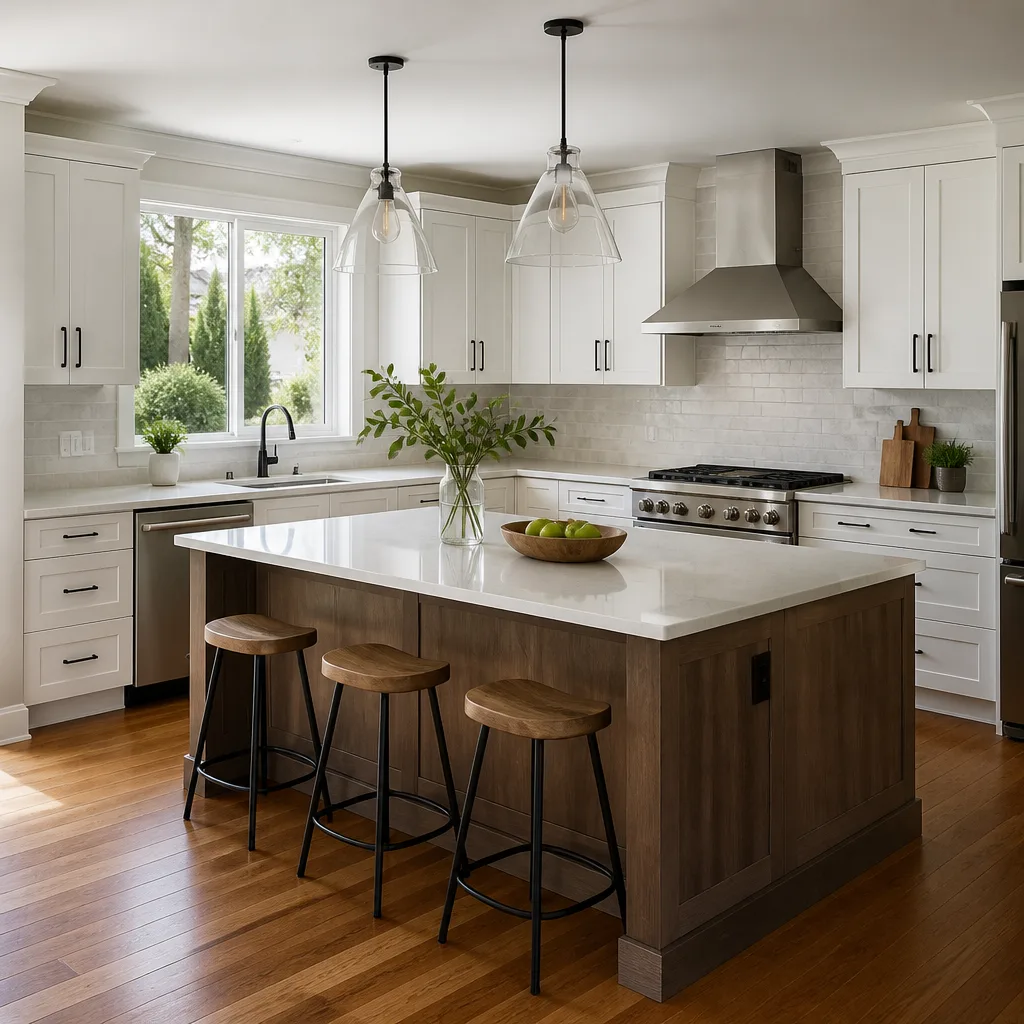
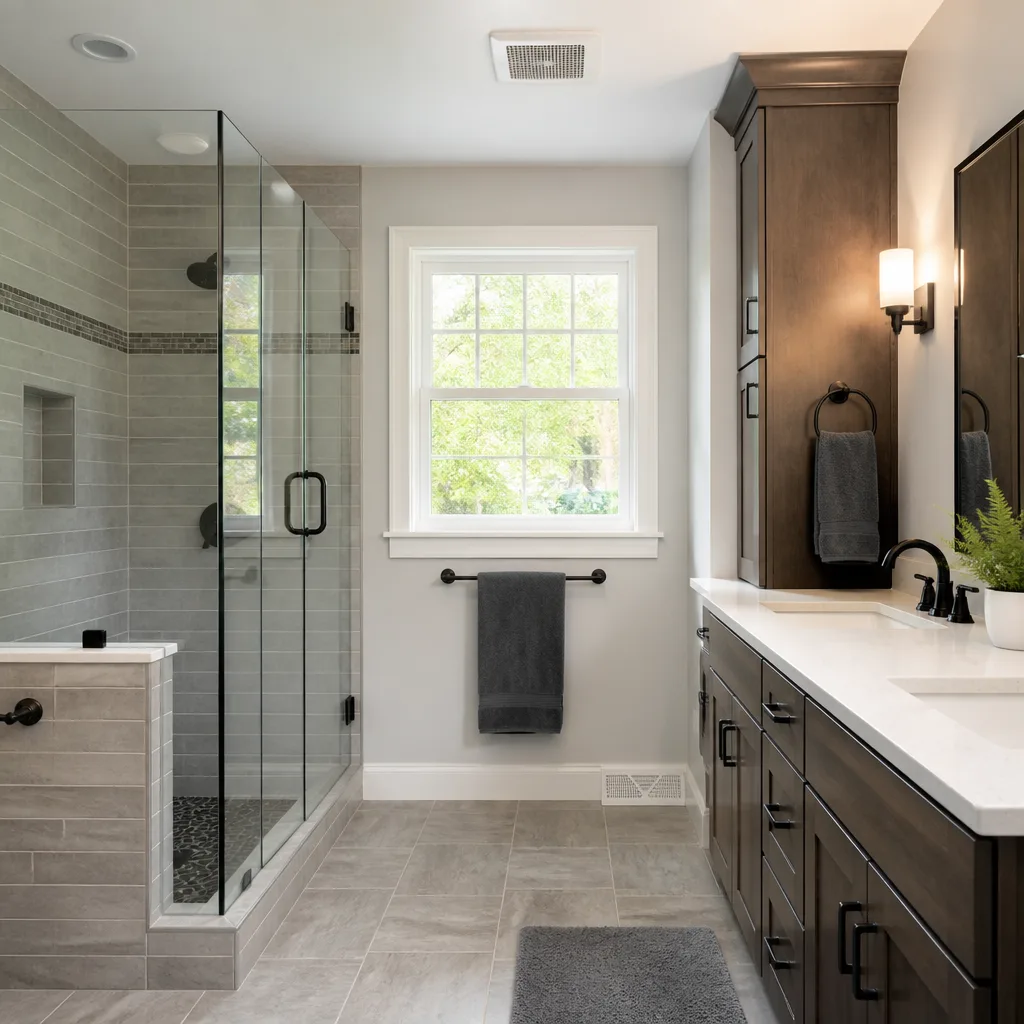
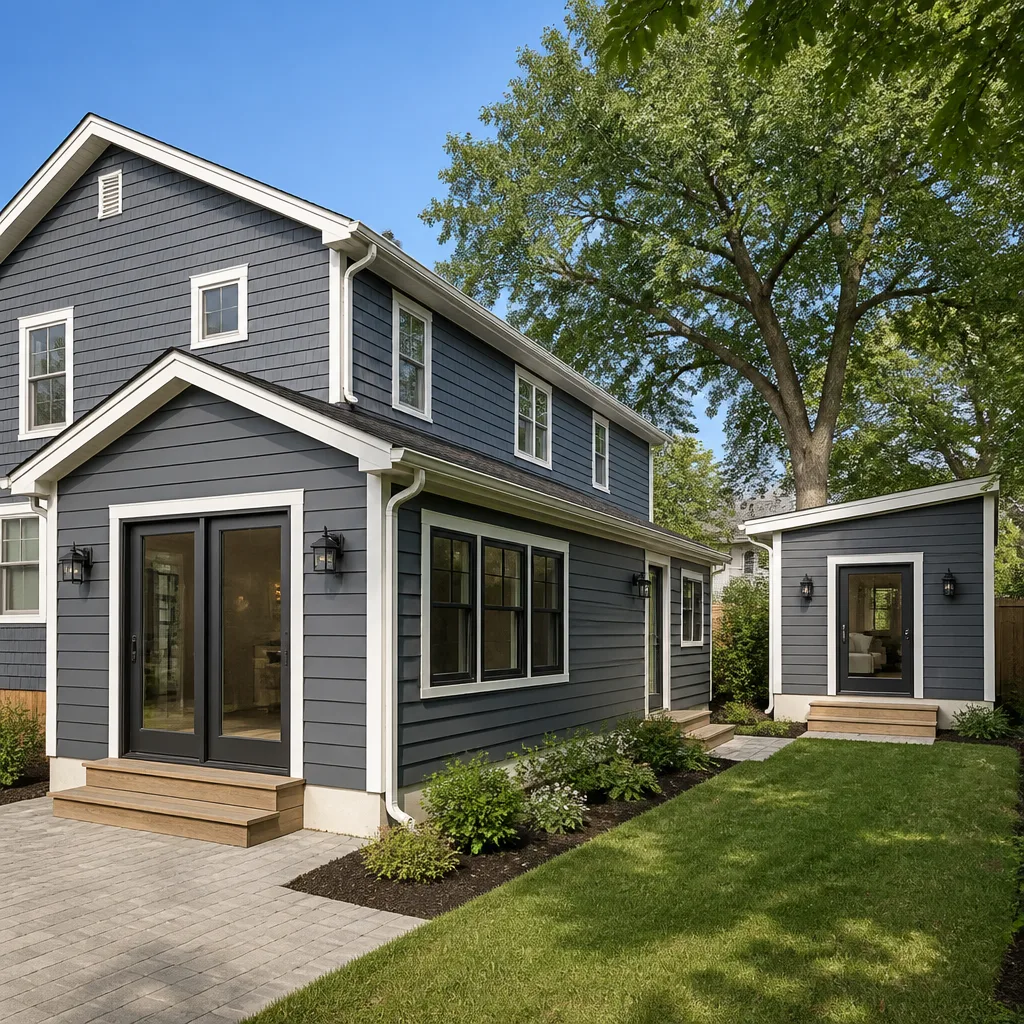

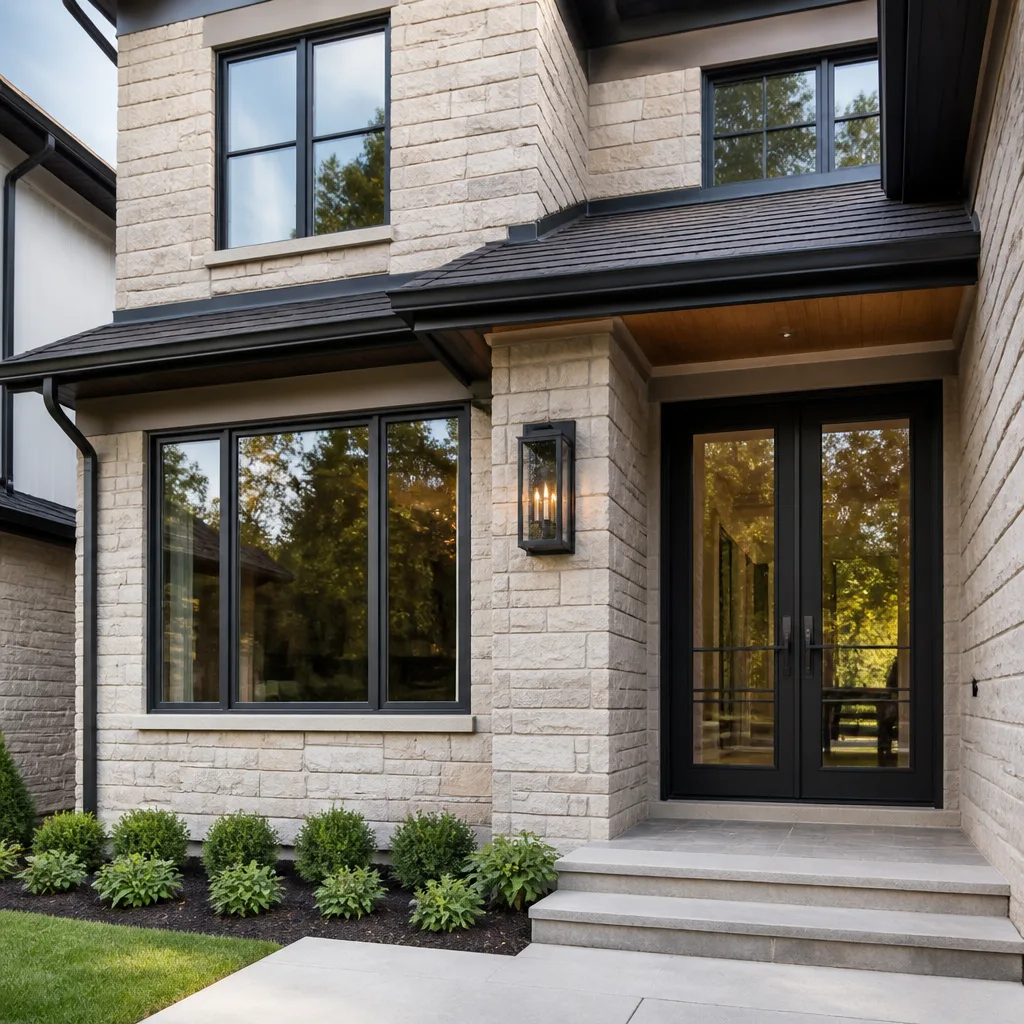
 Before
 After
After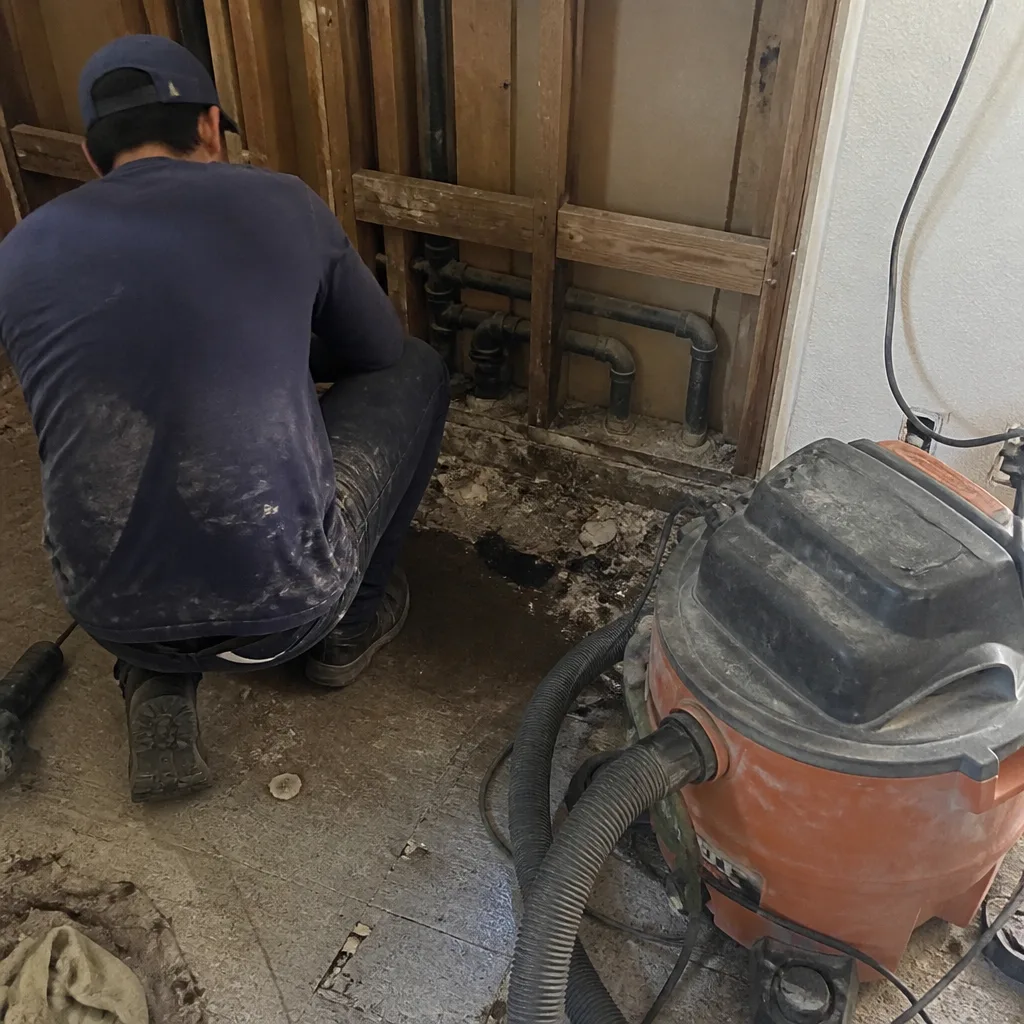 Before
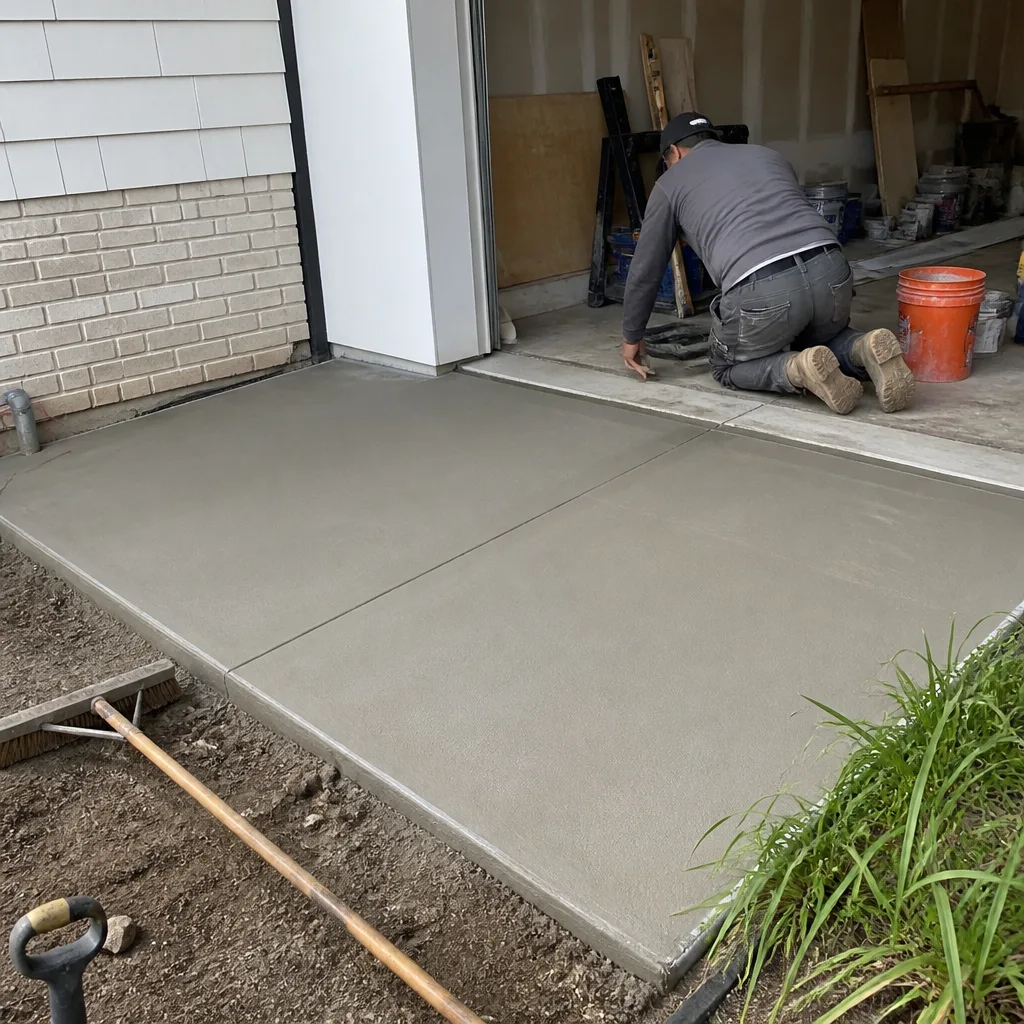 After
After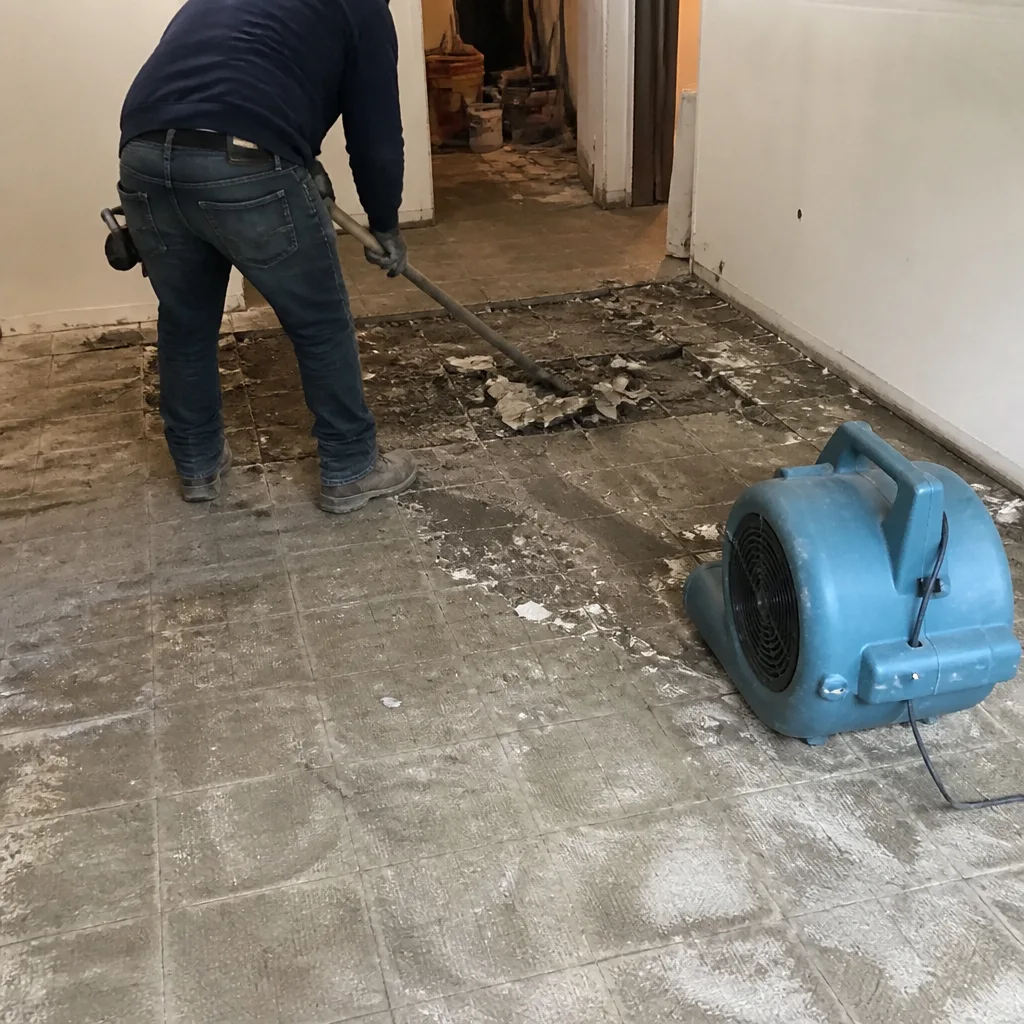 Before
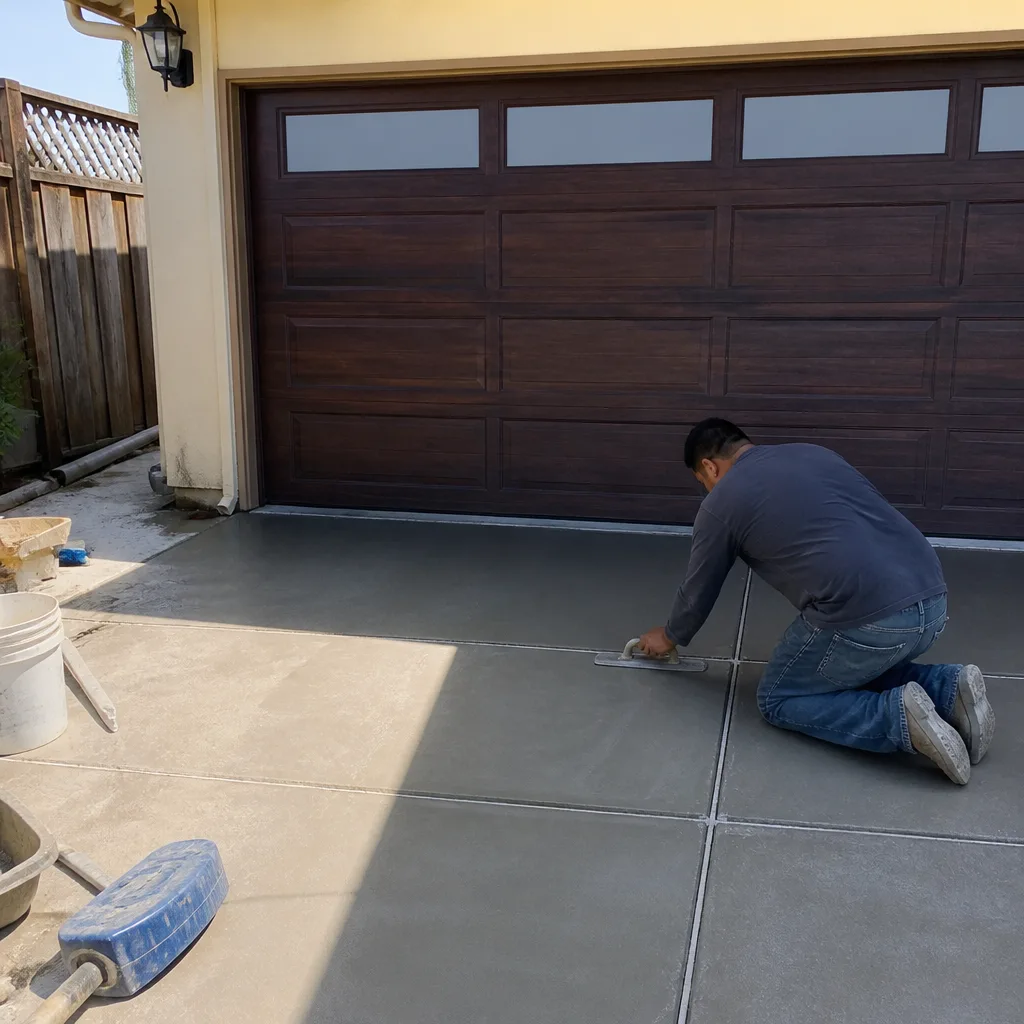 After
AfterHow to Hire a Construction Contractor in Sunnyvale: A Step-by-Step Guide
California’s Contractors State License Board database shows license status in real time, but it does not show whether a contractor’s $15,000 bond limit covers the actual scope of your project. Almost no homeowner in Sunnyvale checks this before signing. In our complete guide to construction in Sunnyvale, we’ll walk through the exact sequence of license checks, insurance certificate reads, and contract clause reviews that separate a protected project from an exposed one. We’ve delivered over 4,000 projects since 2007, and the homeowners who finish within a few percent of their agreed price are the ones who verified the paperwork first.
Quick Answer
Hiring a construction contractor in Sunnyvale starts with verifying an active CSLB license in the correct classification, confirming the bond limit matches your project value, and requesting a certificate of insurance that names you as additional insured. Only then should you compare written bids line by line, check permit-pulling history through the City of Sunnyvale’s public records, and sign a contract that requires signed change orders before any extra work proceeds. The entire verification process takes two to three hours and can prevent tens of thousands in uncovered losses.
Table of Contents
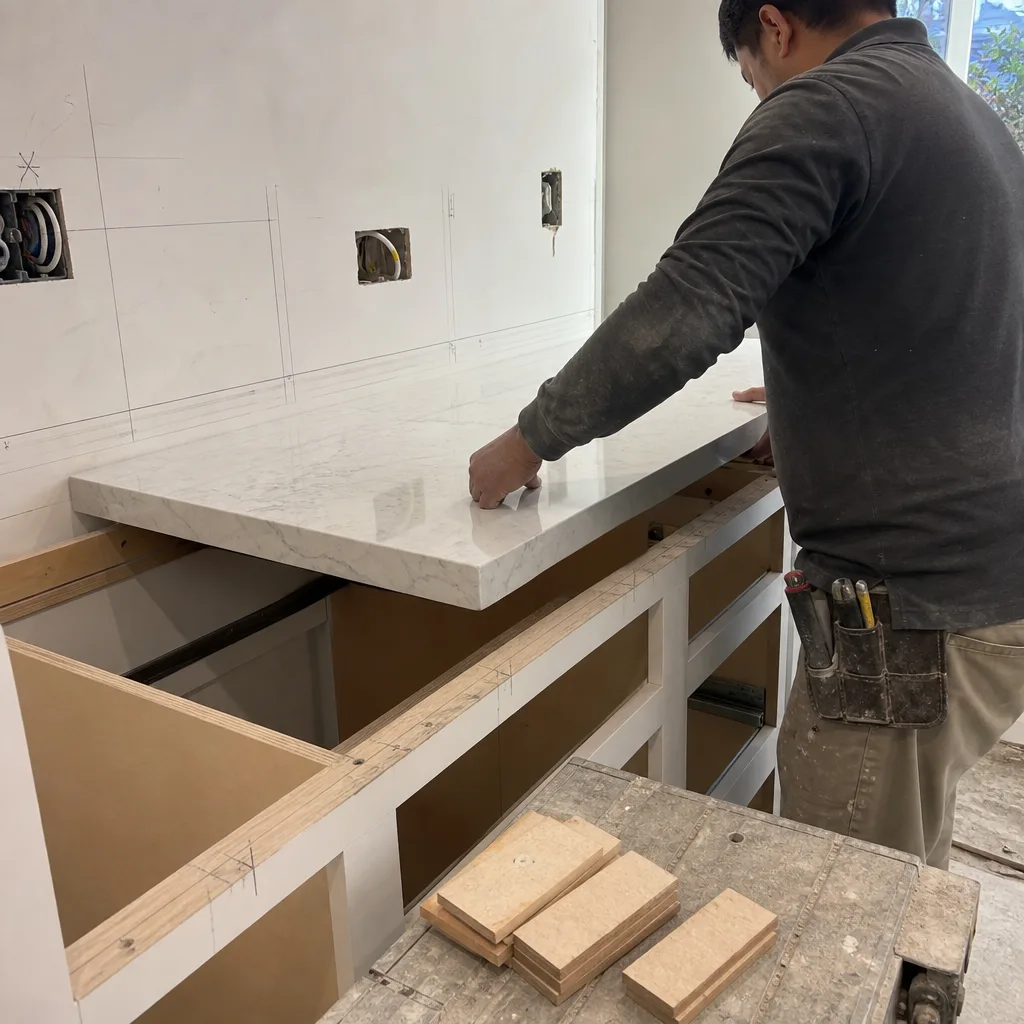
- Step 1: Verify the CSLB License and Classification
- Step 2: Read the Certificate of Insurance Correctly
- Step 3: Review Contract Clauses That Protect Your Money
- Step 4: Check Permit-Pulling History in Sunnyvale
- Step 5: Compare Bids Line by Line, Not Bottom Line
- Step 6: Ask These Sunnyvale-Specific Interview Questions
- Common Mistakes to Avoid
- When to Call a Professional
- Frequently Asked Questions
- The Bottom Line
 Before
 After
AfterStep 1: Verify the CSLB License and Classification
Every legitimate contractor in California carries a CSLB license number. The check takes ninety seconds at cslb.ca.gov, but most homeowners stop at “Active” and miss the details that determine whether the person can legally perform your work.
Here’s what to verify:
- License status: Must show “Active,” not “Suspended” or “Cancelled.”
- Classification code: This matters enormously. A Class B General Building Contractor can legally oversee your entire project but must subcontract specialized trades to appropriately licensed specialists. If your kitchen remodel involves moving a gas line, the subcontractor needs a C-36 Plumbing license. If they’re installing custom tile, that’s a C-54 Ceramic and Mosaic Tile Contractor. You can verify each subcontractor’s license the same way.
- Bond limit: The standard $15,000 contractor’s bond covers consumer claims against the license holder. For a $120,000 home addition in Sunnyvale’s Birdland neighborhood, that bond won’t cover a complete failure. Ask whether the contractor carries additional bonds or a performance bond for projects above the statutory minimum.
- Workers’ compensation coverage: If the contractor has employees, this is mandatory. If they claim to have no employees, verify they filed the exemption correctly; misclassification is common and leaves you exposed if someone gets injured on your property.
- Disciplinary history: The CSLB lists citations and suspensions. A contractor with recent disciplinary action isn’t automatically disqualified, but the pattern matters. Two citations for abandonment in five years is different from one decade-old citation for paperwork late filing.
We check our own license status monthly and provide the number unprompted. Any contractor who hesitates when you ask for their license number is telling you something important.
Step 2: Read the Certificate of Insurance Correctly
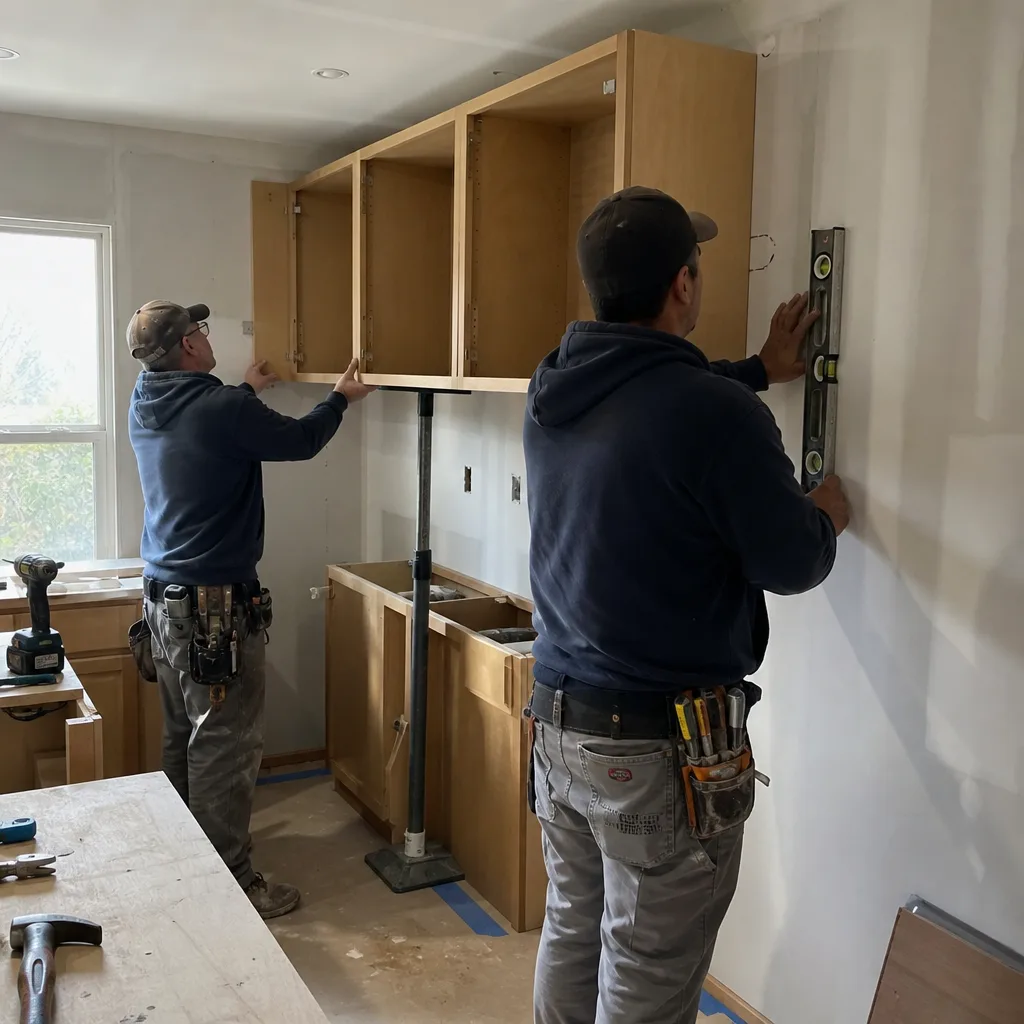
Homeowners routinely receive insurance certificates and file them unread. The difference between “certificate holder” and “additional insured” determines whether you’re protected if a worker falls through your roof or a water line ruptures and floods your neighbor’s yard.
When you receive the certificate, check these fields:
- Certificate holder: Your name and address appear here. This only means the insurer notified you that coverage existed at the time of issuance. It grants you no protection.
- Additional insured: Your name must appear in this separate box, specifically for your project address. This status means the contractor’s general liability policy will defend you and pay claims if you’re named in a lawsuit arising from the contractor’s work. Without this, you could face legal costs even if you did nothing wrong.
- Policy expiration dates: Note when coverage lapses. For projects lasting several months, request updated certificates before expiration.
- Per-occurrence limit: In Sunnyvale, where median home values exceed $2 million and neighboring properties sit close together, a $1 million per-occurrence limit is minimum adequate coverage. A gas line strike that damages two homes and a parked Tesla can exhaust lower limits quickly.
Ask the contractor to have their agent issue the certificate directly to you, not hand you a PDF they generated themselves. Fraudulent certificates are uncommon but not rare. A direct email from the insurance agent’s verified domain takes two minutes and eliminates the risk.
Step 3: Review Contract Clauses That Protect Your Money
The contract is where most homeowners in Sunnyvale discover, too late, that they’ve agreed to open-ended pricing. We believe one clause is non-negotiable: no work proceeds on a change until the change order is signed. Under Clause 1 of Rowan Construction Group Sunnyvale home, the price is written before anyone starts, and under our change order discipline, no deviation proceeds without documentation.
Here’s what the clause should look like in plain language:
“Any change to the scope of work, materials, or schedule requires a written change order signed by both parties before additional work begins. The change order shall specify the additional or reduced cost, the effect on schedule, and any warranty implications. Oral agreements or instructions shall not modify this contract.”
Absence of this clause is a single disqualifying condition. Contractors who resist it are telling you they intend to discover “unforeseen conditions” and bill you without a documented agreement.
Other essential contract elements:
- Payment schedule tied to verifiable milestones: Not dates, but completed inspections. “25% at rough plumbing inspection passed” is enforceable. “25% at week three” is not.
- Lien release language: Each payment should be conditioned on receiving conditional lien releases from the contractor and all subcontractors and suppliers. This prevents a supplier you’ve never met from placing a lien on your home because the contractor never paid them.
- Written warranty terms: One year on workmanship is standard; longer is better if documented. Vague language like “we stand behind our work” is unenforceable.
- Permit responsibility: Specify who pulls permits, who pays fees, and who schedules inspections. In Sunnyvale, permit fees for a major remodel can exceed $5,000; ambiguity here causes disputes.
We provide a terms page with every contract, not an asterisk. The 365-Day Done Right Promise is printed on every page, and the Haven Standard specifies exactly what “done right” means for each trade.
Step 4: Check Permit-Pulling History in Sunnyvale
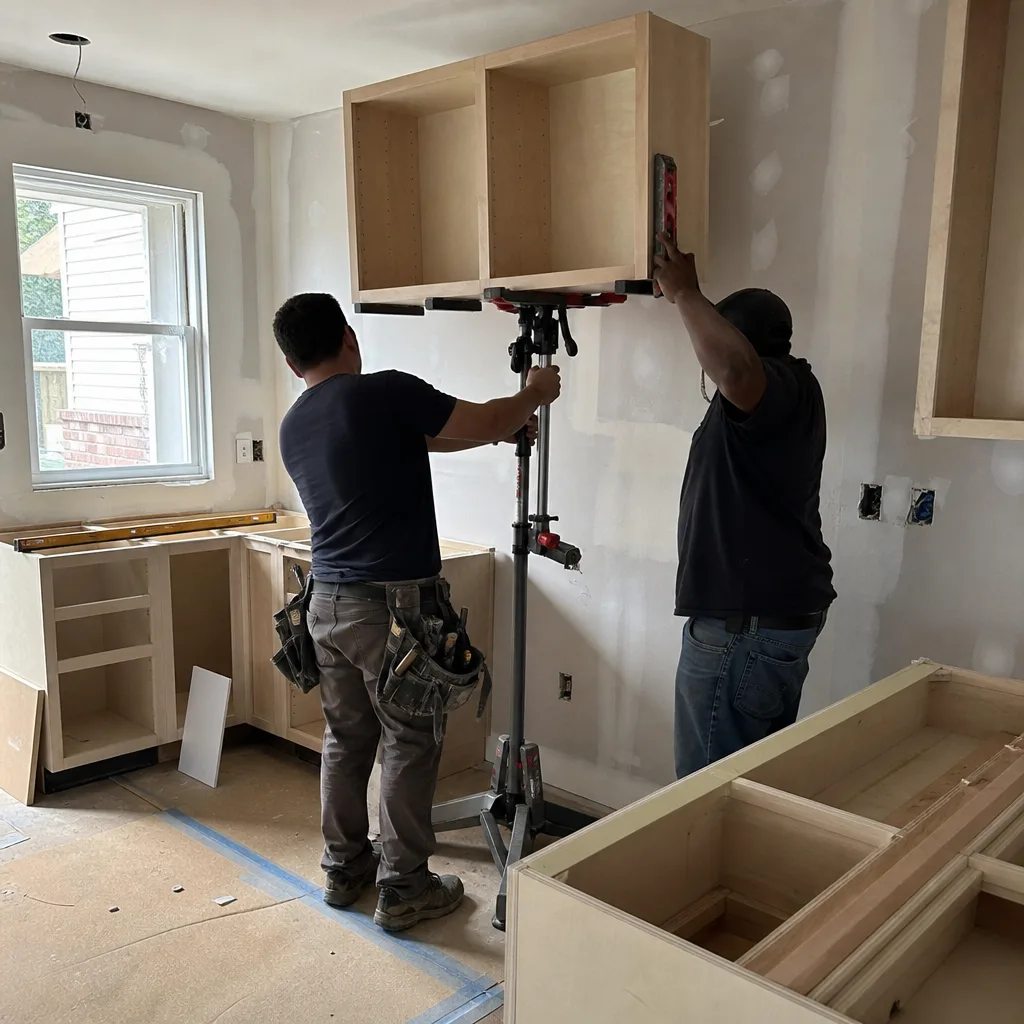
Contractors who pull their own permits create a public inspection record you can review before hiring. This is one of the most underused verification tools in Sunnyvale.
The City of Sunnyvale maintains permit records through its online portal. Here’s how to use them:
- Search by contractor license number or business name. Look for permits pulled within the last three years.
- Check whether inspections passed on first attempt or required re-inspection. Multiple failed inspections suggest sloppy preparation or unfamiliarity with local amendments to the California Building Code.
- Verify the permit type matches the contractor’s claimed expertise. A contractor who advertises Kitchen Remodeling in Sunnyvale but shows only fence permits may be overstating their experience.
- Look for permit finalization. Open permits that never closed suggest abandoned projects or disputes that prevented completion.
Sunnyvale has specific local amendments that trip up contractors from outside Santa Clara County. The city requires enhanced seismic bracing for water heaters in certain zones, and the permit history will show whether a contractor has navigated these requirements successfully - one reason we recommend seasonal construction care for Sunnyvale as part of year-round home maintenance. In the Ponderosa neighborhood, where many homes were built in the 1960s with minimal earthquake preparation, this experience matters.
Contractors who ask you, the homeowner, to pull permits as an “owner-builder” are shifting liability to you while obscuring their own track record. This is common and risky. If you pull the permit, you become the responsible party for code compliance, and your homeowner’s insurance may not cover defects in work you technically supervised.
Step 5: Compare Bids Line by Line, Not Bottom Line
A $4,000 difference between two bids tells you nothing until you know whether it lives in labor rates, material grades, or omitted scope. We normalize every quote we review by line item, and we offer a Free Second Opinion on any written estimate - bring a competitor’s quote and we’ll review it line by line at no charge.
Here’s a bid comparison framework for a typical Sunnyvale bathroom remodel:
| Line Item | Contractor A | Contractor B | Notes |
|---|---|---|---|
| Demolition and disposal | $3,200 | $2,800 | Verify dump fees included; Sunnyvale transfer station rates increased in 2024 |
| Plumbing rough-in (C-36 sub) | $4,500 | $3,900 | Check if Toto or Sterling fixtures specified, or allowance only |
| Tile installation (C-54 sub) | $5,800 | $6,400 | Schluter waterproofing system vs. standard membrane; labor rate may be identical |
| Vanity and countertops | $4,200 | $3,600 | Material grade difference likely; request brand and spec sheet |
| Permits and inspections | $1,800 | Not listed | Omission is common; add $1,500-$2,500 if missing |
| Project management | $2,400 | $1,200 | Lower may mean less site supervision; verify who coordinates subs |
| Total | $21,900 | $18,900 | $3,000 gap collapses to $600 if permits added to B; material upgrade explains rest |
Key normalization rules:
- Any line item present in one bid and absent in the other gets researched and added at market rate, not ignored.
- Material allowances get converted to specific products with model numbers. An “$800 vanity allowance” and a “KraftMaid Vantage vanity, VV36-FF” are not comparable.
- Labor rates are checked against CSLB wage survey data for Santa Clara County. Rates 30% below median suggest uninsured day labor or misclassified workers.
The bottom line is the last number you should look at. Start with scope completeness, then material specificity, then labor documentation, then price.
Step 6: Ask These Sunnyvale-Specific Interview Questions
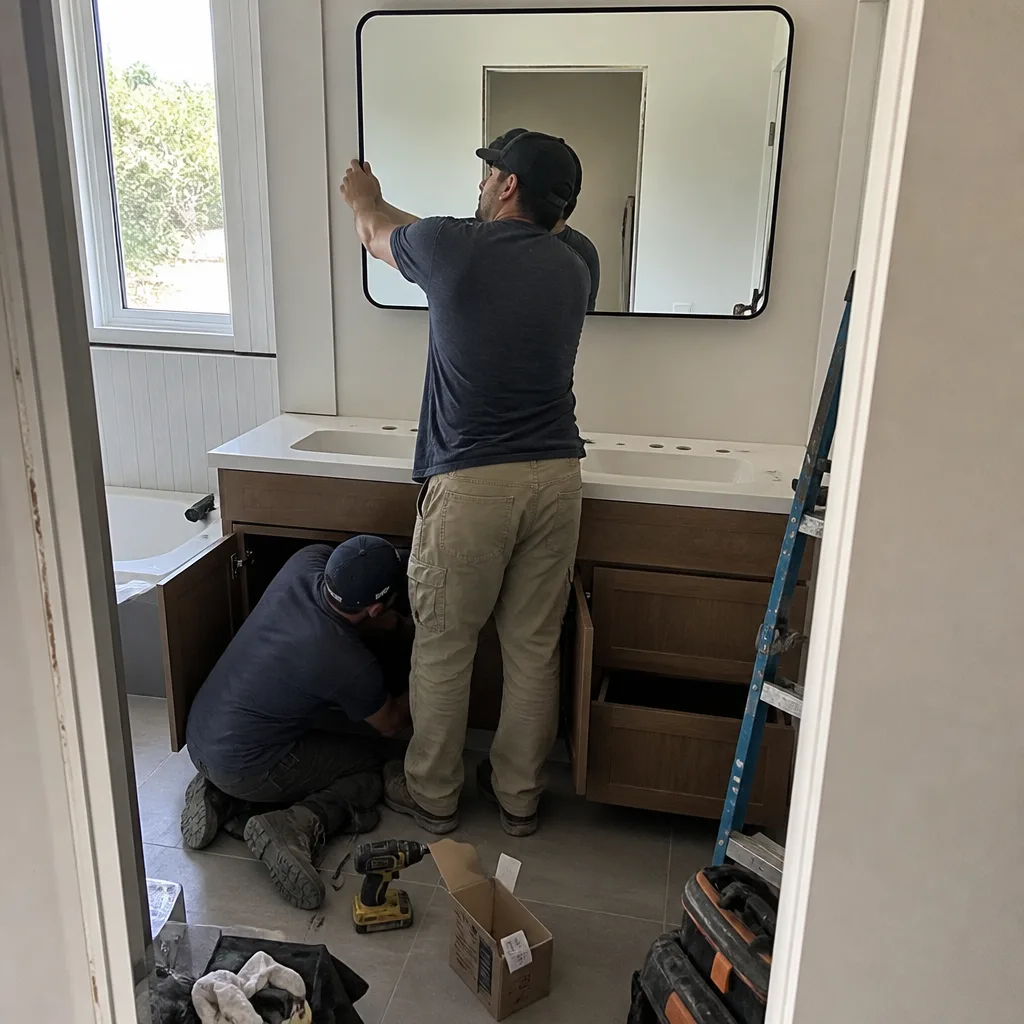
Generic interview questions produce rehearsed answers. These three draw on local conditions that only an experienced Sunnyvale contractor can address knowledgeably:
“How do you handle the clay-heavy soils in Sunnyvale’s older neighborhoods when pouring new foundations or additions?”
The expanding clay soils in parts of Sunnyvale, particularly near the historic downtown and along Mathilda Avenue, require specific footing depths and drainage strategies. A contractor who mentions ASTM D2487 soil classification or references past projects in the Washington Park area is demonstrating direct experience. One who says “we deal with soil all the time” is not.
“What’s your process for coordinating with PG&E when we’re upgrading electrical service for an ADU?”
Bathroom Remodeling in Sunnyvale and home additions including ADUs frequently require service upgrades. PG&E’s queue for Sunnyvale can stretch eight to twelve weeks for residential service changes. A contractor who describes their specific liaison process and provides recent timeline examples is managing the project realistically. One who says “PG&E handles that” is leaving you exposed to delay.
“Can you walk me through a recent project where Sunnyvale’s tree preservation ordinance affected the build?”
Sunnyvale protects certain heritage oak species and requires replacement planting for others. A contractor who completed a project on Iris Avenue or near the community center and can describe the arborist report process, the protected root zone requirements, and the replacement species selection is proving local operational knowledge. This matters because tree violations can trigger stop-work orders and fines that delay projects by months.
Beyond these specifics, verify practical logistics: where will materials be staged, what hours will crews work, how is dust containment handled for occupied homes, and what is the documented photo record process. We include photo documentation as standard on every visit, not as an upgrade. The customer leaves with evidence of what was found and what was done.
Common Mistakes to Avoid
- Skipping the bond limit check. A $15,000 bond won’t cover a $200,000 project failure. Verify whether the contractor carries supplemental bonding for large projects.
- Accepting “certificate holder” status as protection. Only “additional insured” status on the general liability policy defends you in court. This distinction is technical and routinely misrepresented.
- Comparing bids without normalizing for permit inclusion. The contractor who omits permits appears cheaper by $2,000 until you pay the city directly and handle scheduling yourself.
- Hiring based on personality rather than documentation. The contractor who brings doughnuts and remembers your dog’s name is memorable. The contractor who provides a written scope, a written price, and a written warranty is accountable. Choose accountability.
- Ignoring inspection history. Failed inspections cost time and often reveal corner-cutting. A pattern of re-inspections is a pattern of problems.
- Signing without a change order clause. Every project encounters unknown conditions. The question is whether you agree to the cost before or after the work proceeds. “We’ll figure it out” means you’ll pay whatever is demanded.
- Assuming all Class B contractors can self-perform all trades. They cannot, legally. Verify the subcontractor licenses for specialized work, or hire specialists directly for discrete scopes.
When to Call a Professional
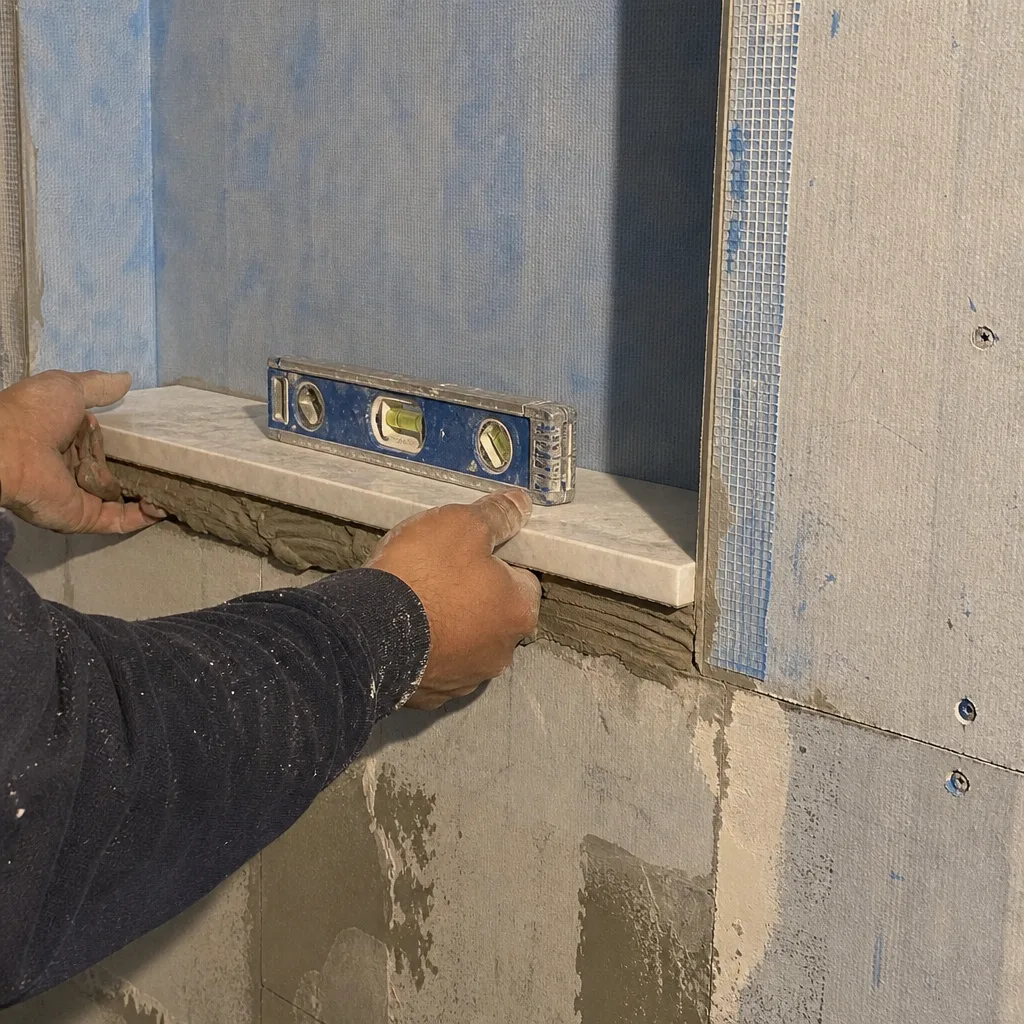
Call a licensed contractor when your project requires a building permit, involves structural modification, or carries injury risk from electrical, gas, or height work. In Sunnyvale, permits are required for kitchen and bathroom remodels that move walls or plumbing, for any electrical panel upgrade, for roofing tear-off and replacement, and for all Roofing in Sunnyvale projects that exceed 25% of the roof area in any twelve-month period.
The permitting threshold exists because these projects affect life safety and property value. An unpermitted addition, even beautifully built, complicates resale and may require costly retrofit or removal.
Rowan Construction Group Sunnyvale offers free estimates in Sunnyvale. We’ve delivered over 4,000 projects since 2007, every one with a written price before work started and a documented record when the crew left. Call (650) 405-3637 to schedule your free estimate, or bring any written competitor’s quote for a Free Second Opinion review.
Frequently Asked Questions
Whole-home remodels in Sunnyvale typically range from $150 to $350 per square foot depending on structural complexity, material selections, and whether the home requires seismic retrofit as part of the scope. A 2,000-square-foot home with mid-grade finishes and no structural changes generally falls between $300,000 and $450,000 including permits and design. Call (650) 405-3637 for an exact quote - estimates are free.
The price should not change for the agreed scope. Under the Haven Standard, no work proceeds on a change until the change order is signed, which is the discipline that has kept Rowan’s projects within a few percent of the agreed cost across 4,000-plus jobs. If a contractor cannot commit to this in writing, the price will change.
Rowan Construction Group pulls all permits as the responsible contractor and schedules all inspections. This creates a public record of our work quality that you can verify before hiring, and it keeps liability with the licensed party who performed the work. We do not ask homeowners to pull permits as owner-builders.
A full kitchen remodel in Sunnyvale takes twelve to sixteen weeks from permit approval to final inspection, assuming no structural changes or custom cabinetry with extended lead times - timing you can protect with our Kitchen Remodeling Maintenance Checklist for Sunnyvale Homeowners. Permit approval itself adds four to eight weeks depending on the city’s current queue. Projects in the Lakewood neighborhood, where many homes share walls with adjacent properties, may require additional party-wall agreements that extend timeline.
The general contractor overseeing the project needs an active Class B license. The tile installer needs a C-54 Ceramic and Mosaic Tile license, and the plumber needs a C-36 Plumbing license. You can verify each license independently through the CSLB database. A Class B contractor who self-performs C-54 or C-54 work without the proper classification is operating outside their license scope.
Request a certificate of insurance that names you as additional insured specifically for your project address, not merely as certificate holder. Verify the certificate directly with the insurance agent using contact information you source independently, not from the contractor. Confirm general liability limits of at least $1 million per occurrence and that workers’ compensation coverage is active if the contractor employs anyone.
The Bottom Line
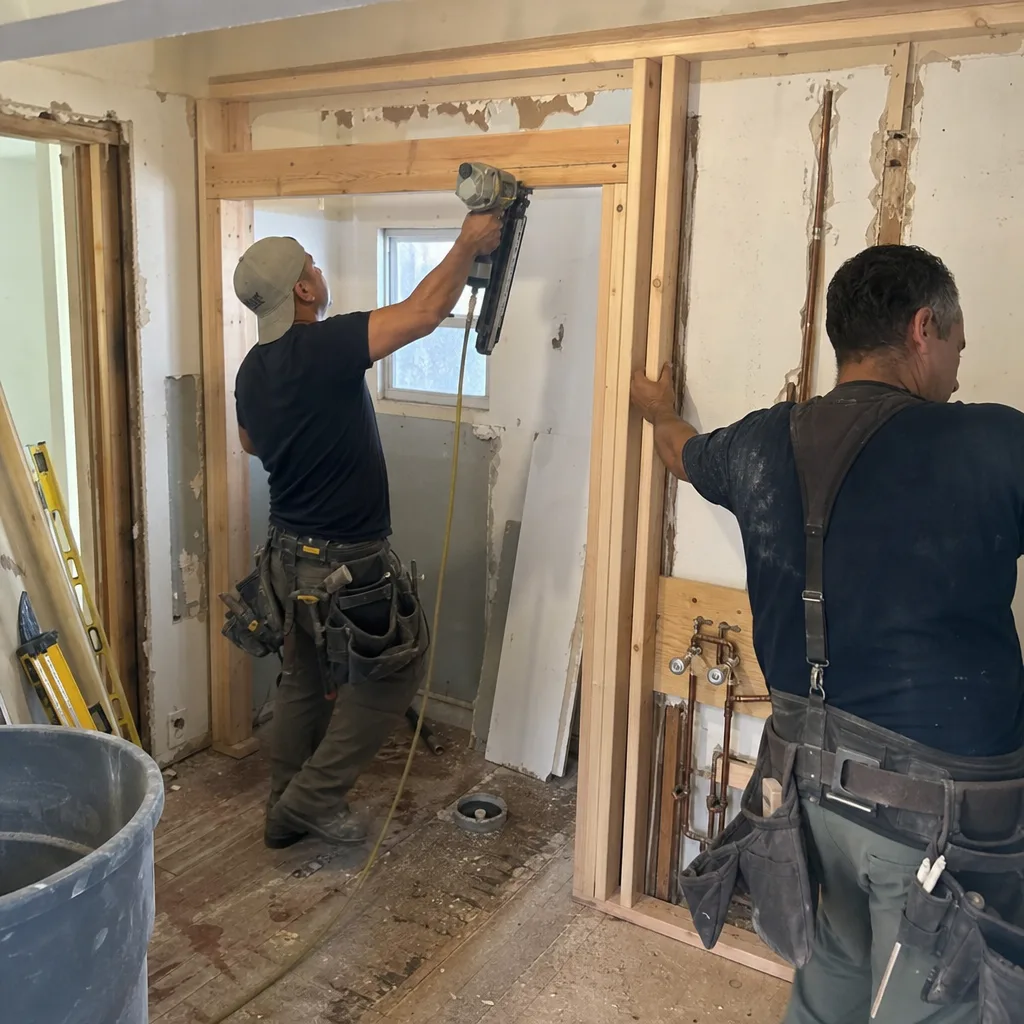
Hiring a contractor in Sunnyvale is a document-verification exercise before it’s a personality assessment. Verify the CSLB license and classification. Confirm you’re named additional insured, not merely certificate holder. Insist on a contract with signed change orders required before any extra work. Check permit history through the city’s public records. Compare bids line by line, not by bottom line. Ask questions that only a local operator can answer knowledgeably. The two to three hours this takes prevents the stress and cost of an unprotected project, and you can find more guides & resources on our blog to help at every stage. Documentation is not bureaucracy; it is the structure that keeps your investment standing.
Written by Grant Rowan, Owner at Rowan Construction Group Sunnyvale, serving Sunnyvale since 2007.