
Last updated September 25, 2026
Free written scope consultation - allowances, timeline, and change-order rules on paper before a single trade is scheduled
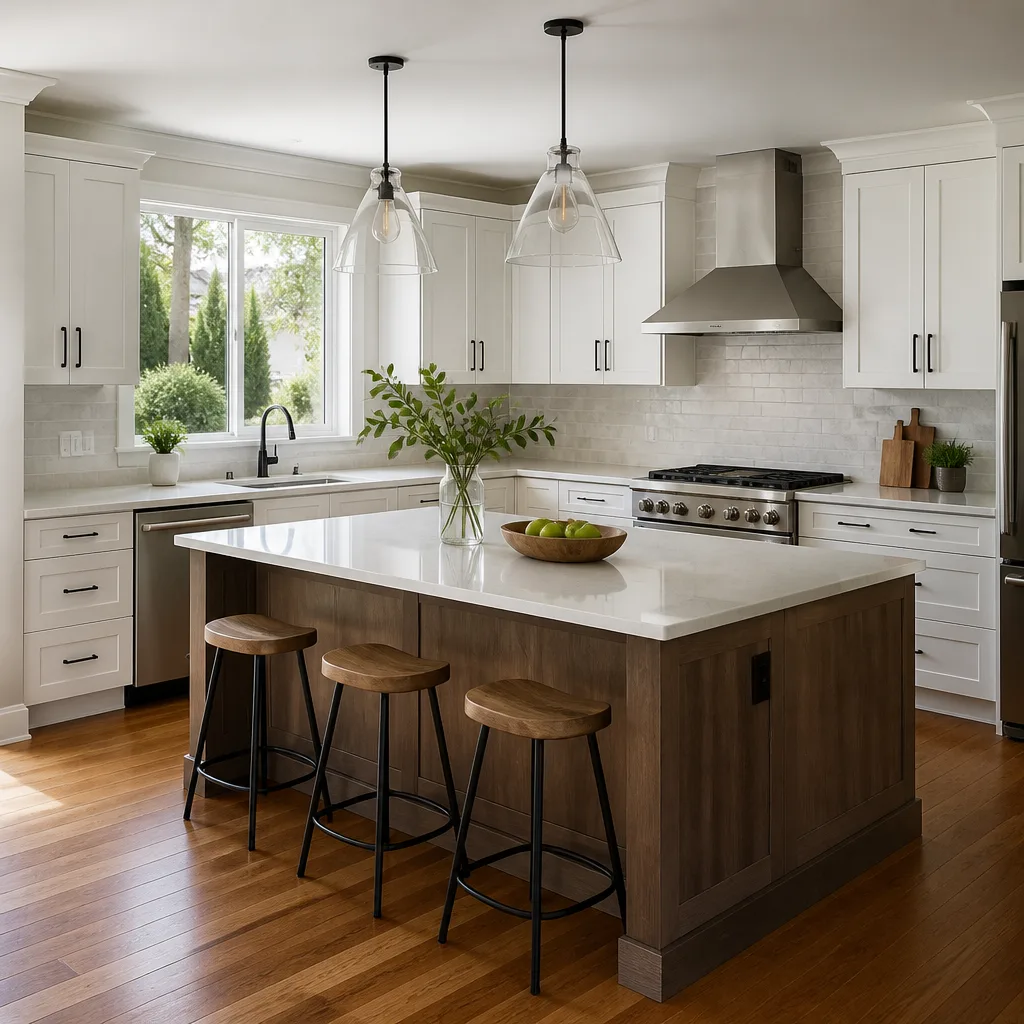

 Before
 After
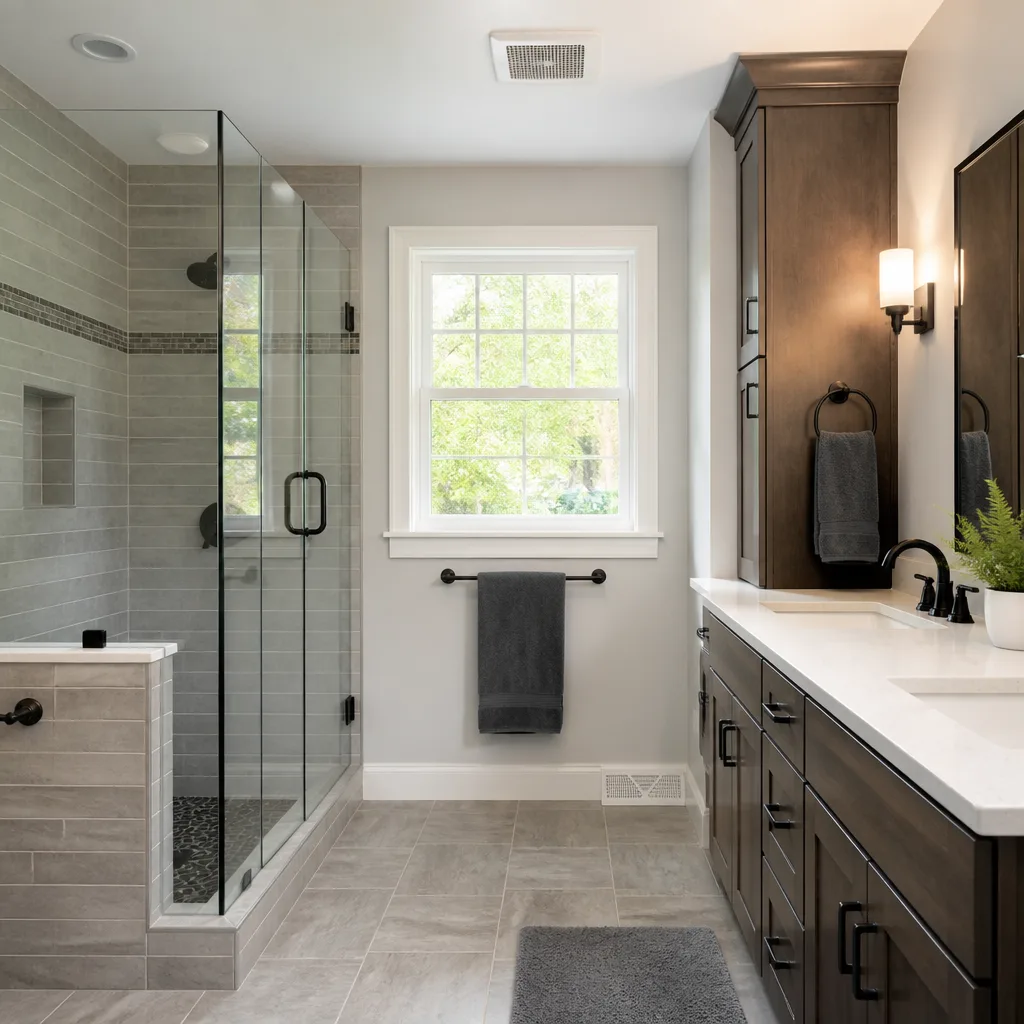
After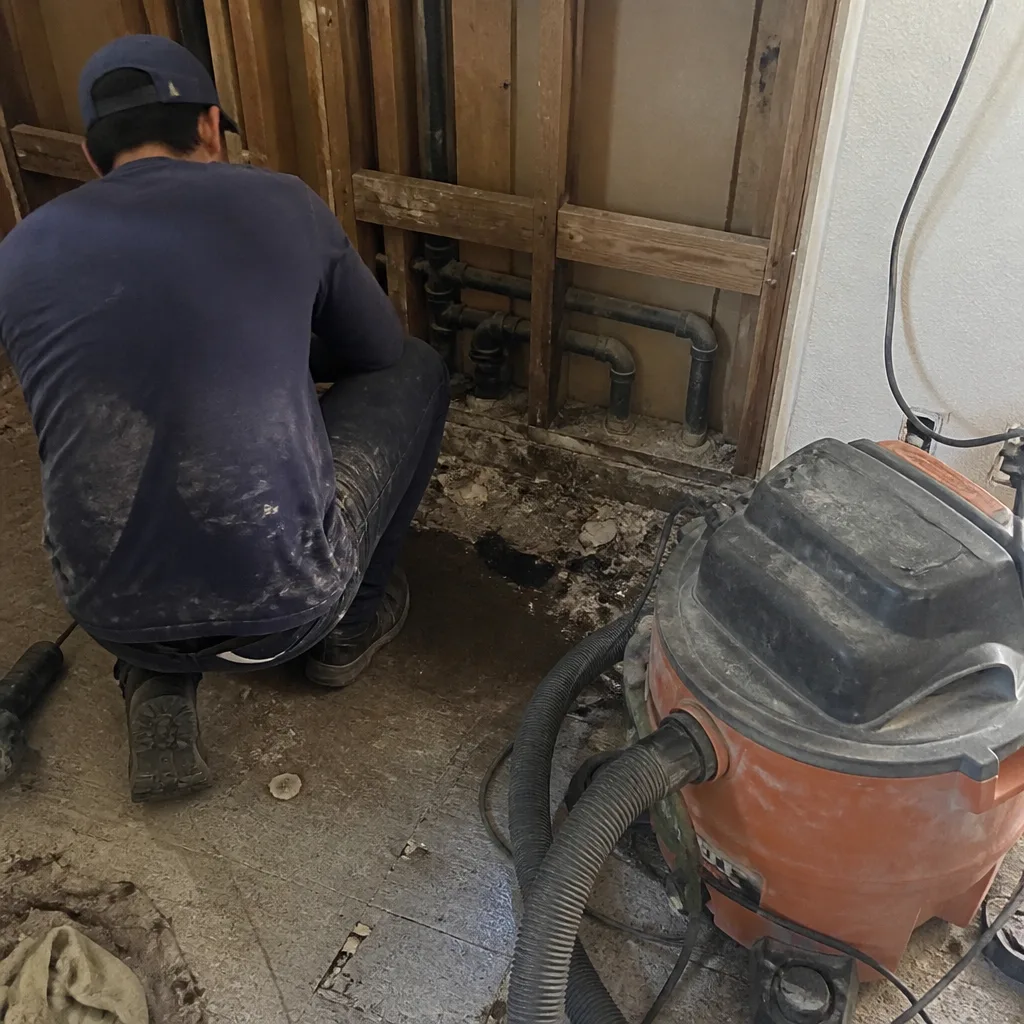 Before
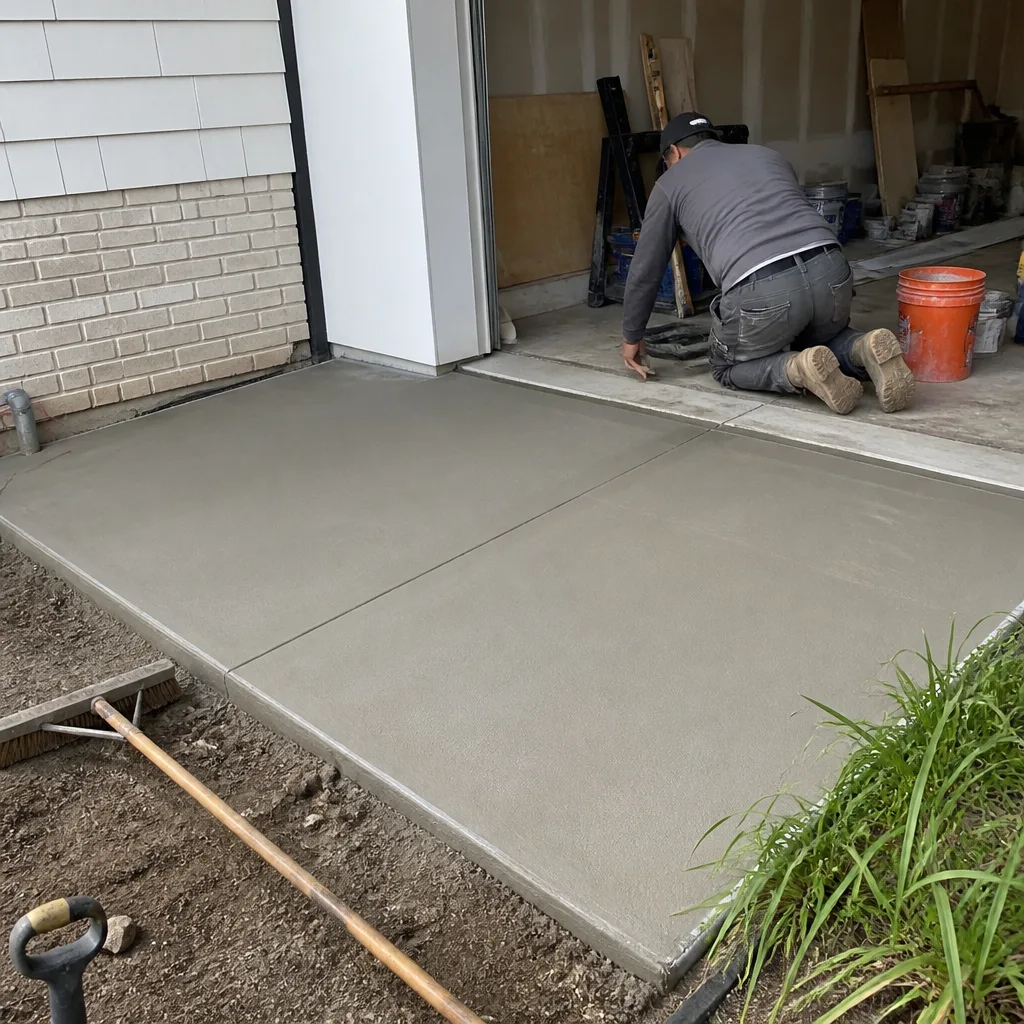 After
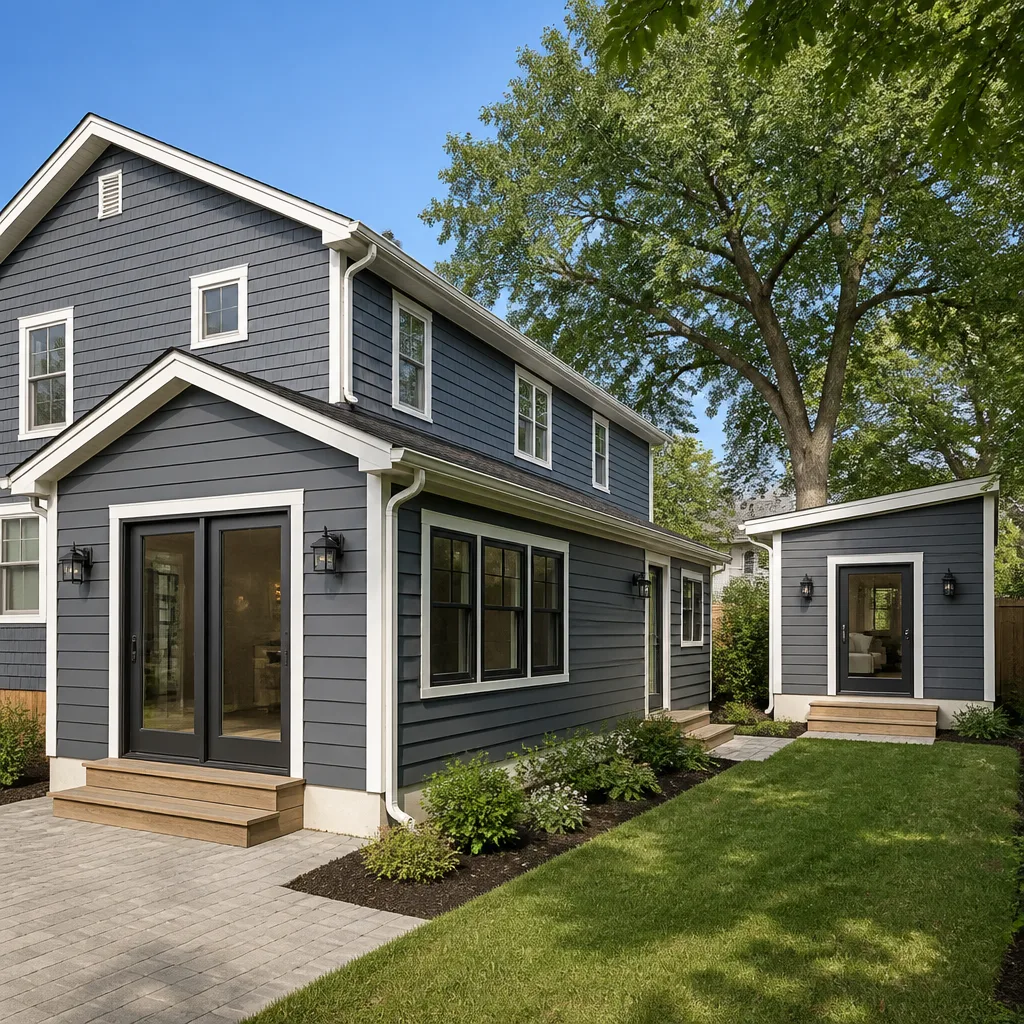
After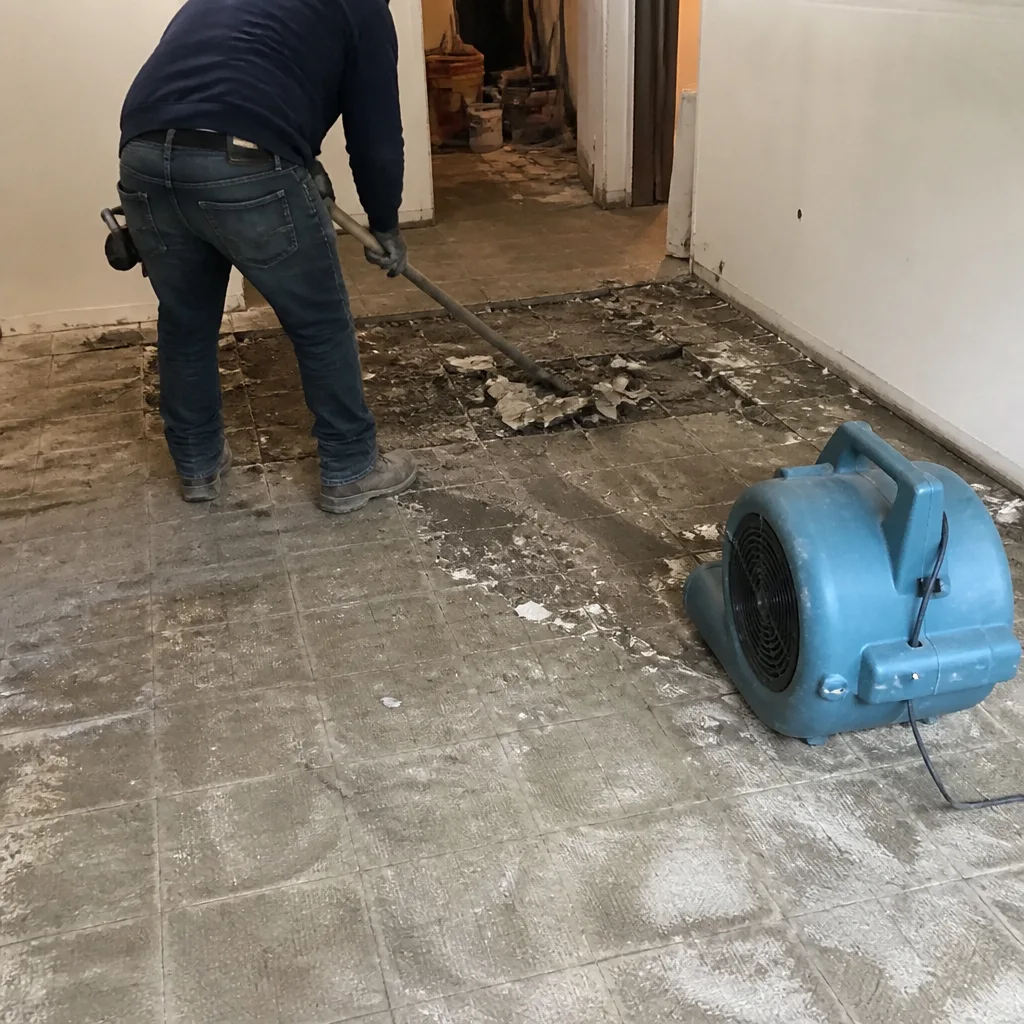 Before
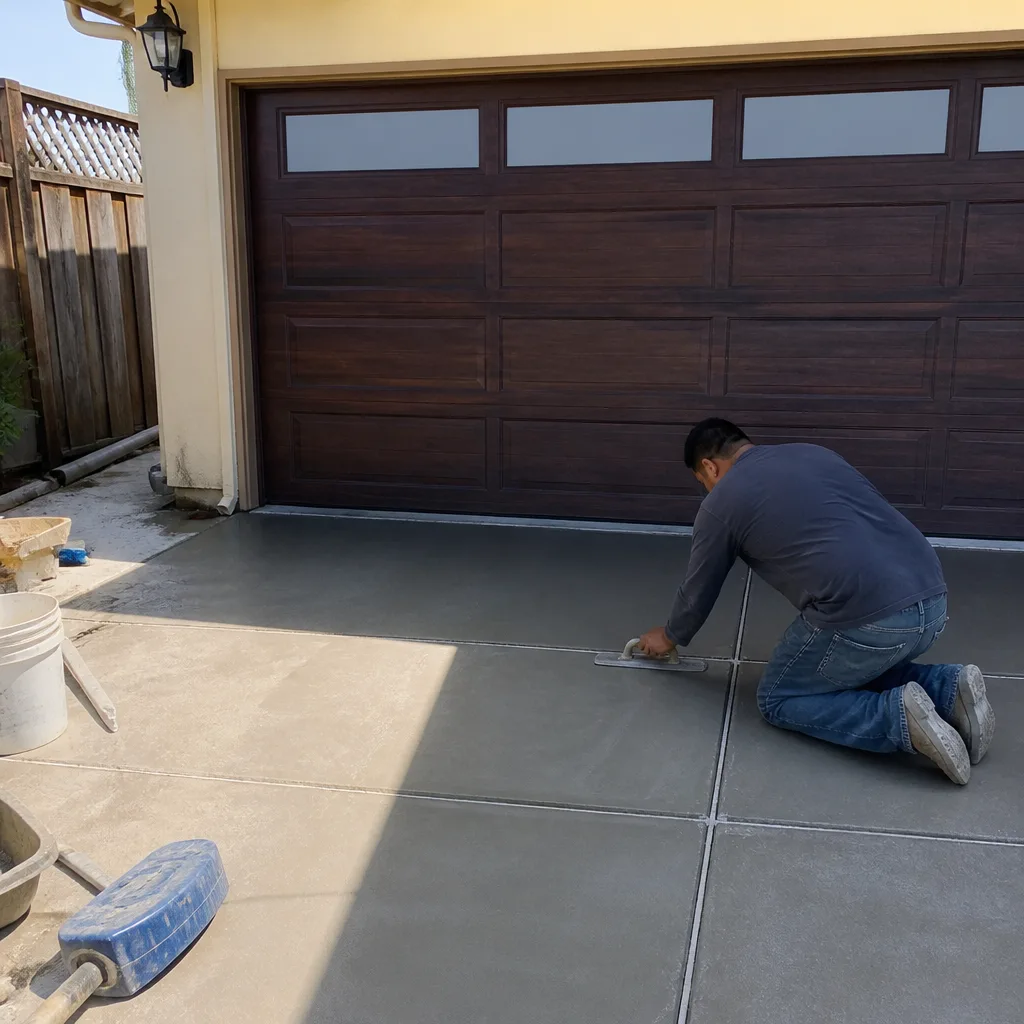 After
AfterDIY vs Professional Construction: The Sunnyvale Homeowner’s Decision Guide
California allows homeowners to pull their own permits as owner-builders, but here’s what most Sunnyvale guides won’t tell you: doing so on structural, electrical, or plumbing work triggers a mandatory three-year resale disclosure under Civil Code Section 1102.6, and standard homeowner’s policies exclude damage from unpermitted or owner-performed work above a defined scope. That $8,000 you “saved” on labor can become a $40,000 price reduction at closing, or a denied claim when a pipe you soldered fails. In this guide, we’ll walk through exactly which projects make sense to self-perform in Sunnyvale, which require a licensed contractor by statute, how to verify your insurance coverage gap, and how to structure a hybrid project that keeps you legal and protected.
Quick Answer
Most Sunnyvale homeowners should hire a licensed contractor for any work requiring a permit, because California’s owner-builder rules create resale disclosure obligations and insurance exclusions that erase labor savings. DIY makes financial sense only for non-permitted finish tasks: interior painting, cabinet hardware, landscaping, and decorative elements. For structural, electrical, plumbing, roofing, or load-bearing modifications, the legal and financial exposure of self-performance typically exceeds any labor cost savings.
Table of Contents
- California Owner-Builder Permit Rules: What You Can and Cannot Legally Do
- Insurance Gap Analysis: When Your Policy Won’t Cover DIY Damage
- Skill-and-Risk Matrix: 12 Common Projects Rated for Sunnyvale Homes
- Where DIY Genuinely Saves Money in Sunnyvale
- How to Hybrid-Structure a Project for Permit Compliance
- Common Mistakes to Avoid
- When to Call a Professional
- Frequently Asked Questions
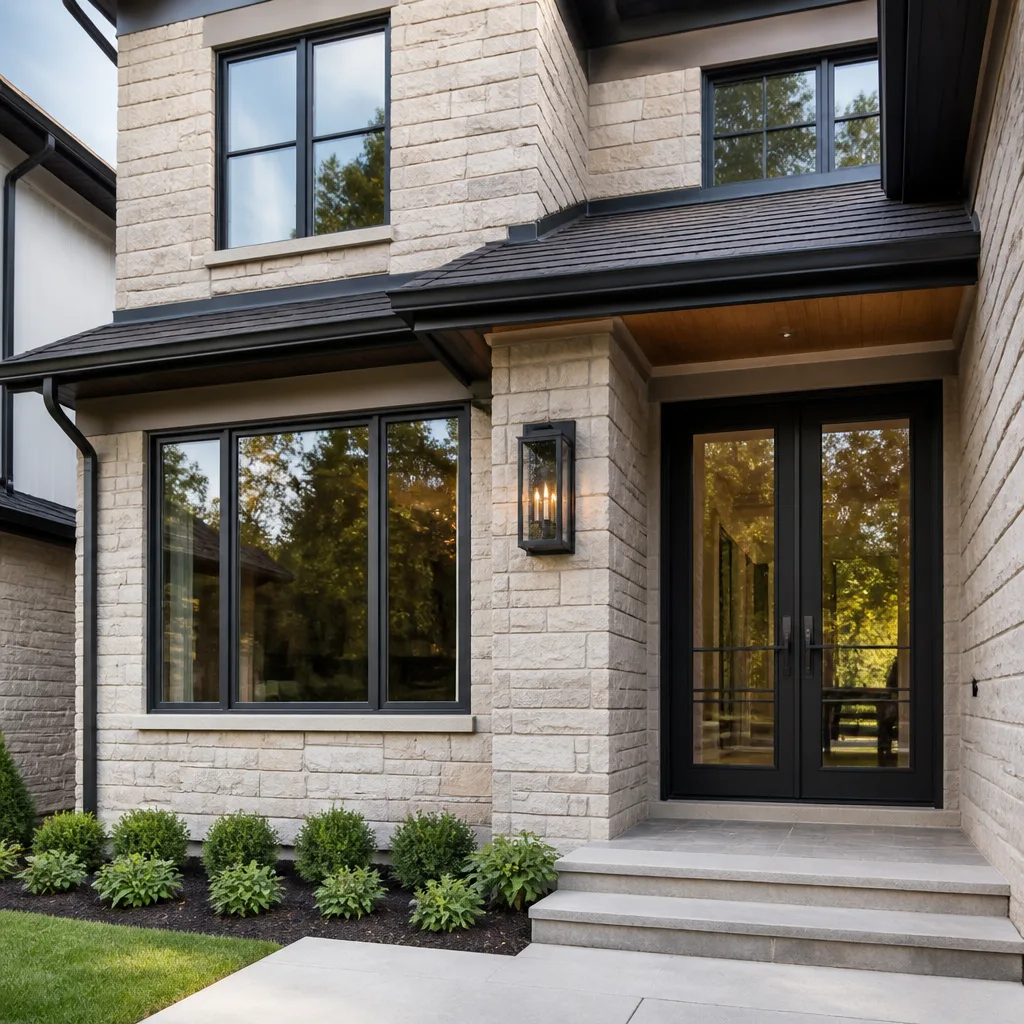
 Before
 After
AfterCalifornia Owner-Builder Permit Rules: What You Can and Cannot Legally Do
California Business and Professions Code Section 7044 allows homeowners to act as their own contractor on residential projects, but the exemption is narrower than most Sunnyvale homeowners assume. You can pull an owner-builder permit for construction, alterations, or repairs on your single-family dwelling, but only if the structure is intended for your own occupancy and not for immediate sale. The moment you list the property within three years, Civil Code Section 1102.6 requires disclosure of all owner-permitted work, including the permit number, scope, and whether inspections passed.
Here’s where the exemption ends. You cannot perform electrical, plumbing, or HVAC work yourself unless you hold the appropriate CSLB license, even under an owner-builder permit. These trades require a licensed C-10 electrician, C-36 plumber, or C-20 HVAC contractor to perform the work and sign off on inspections. What you can do is act as the general contractor, hiring licensed subs and coordinating permits yourself. But you assume full legal liability for their work, and you cannot delegate that liability.
The City of Sunnyvale Building Division enforces Santa Clara County’s amended California Building Code with local amendments for seismic bracing, energy compliance, and fire sprinkler requirements in certain zones. Permits require plan submission, and most residential projects need two to four inspections. Fail an inspection, and the correction must be made and re-inspected before work proceeds. In our experience at Rowan Construction Group Sunnyvale home, re-inspection delays on owner-builder projects average 10 to 14 days, compared to 2 to 4 days when a licensed contractor with established inspector relationships handles the process.
The three-year disclosure clock creates a real problem for Sunnyvale’s mobile workforce. Tech professionals transfer frequently. If you owner-build a kitchen remodel in 2024 and take a job in Austin in 2026, your buyer’s agent will see the owner-builder permit on the title search. Savvy buyers negotiate downward, and some lenders flag owner-performed electrical or plumbing for additional inspection before funding. The disclosure itself isn’t a defect, but it shifts bargaining power.
For structural work, the risk compounds. California requires engineered drawings for any modification to load-bearing elements, and Sunnyvale’s location on the Bay Area’s alluvial plain means geotechnical considerations apply to foundation work and retaining walls over four feet. An owner-builder who proceeds without a structural engineer’s stamp faces permit denial, and retroactive engineering review costs 40 to 60 percent more than front-loaded design.
Insurance Gap Analysis: When Your Policy Won’t Cover DIY Damage
Standard HO-3 homeowner’s policies contain two relevant exclusions for DIY construction work. First, the “expected or intended injury” exclusion bars coverage for damage you cause through faulty workmanship, because the policy insures against accidents, not your own errors. Second, the “business pursuits” exclusion may apply if your project exceeds a defined scope, typically interpreted by courts as work requiring a permit or lasting more than a defined duration.
More critically, most carriers in California add endorsements excluding damage from unpermitted work or work performed by unlicensed trades. We reviewed policy language from three major carriers writing in Santa Clara County, and all exclude “loss caused by alterations, additions, or repairs performed without required permits or by persons not licensed to perform such work.” The exclusion applies to the resulting damage, not just the faulty work itself. Solder a joint that fails and floods your kitchen, and your carrier may deny the entire claim, including damage to cabinets, flooring, and drywall.
To verify your coverage, request a copy of your policy’s “Exclusions” and “Conditions” sections, then call your agent with these specific questions:
- Does my policy exclude damage from work performed without required city permits?
- Does my policy exclude damage from work I performed myself, even with a permit?
- What is the dollar threshold or scope threshold where DIY work triggers the business pursuits exclusion?
- Do you offer a rider for owner-builder projects, and what does it cost?
Document the response in writing. We’ve seen Sunnyvale homeowners discover coverage gaps only after a six-figure loss. One homeowner in the Birdland neighborhood performed a permitted bathroom remodel as owner-builder, hired an unlicensed plumber through a referral, and faced a $78,000 denial when the shower pan failed. The carrier cited both the unlicensed-trade exclusion and the permit’s owner-builder designation, which placed legal responsibility on the homeowner rather than a licensed contractor.
Umbrella policies rarely extend to construction liability. Your personal liability coverage protects against slip-and-fall injuries to guests, not faulty workmanship that damages your own property. For that, you need a course of construction policy, also called builder’s risk, which owner-builders can purchase but often don’t. A typical builder’s risk policy for a Sunnyvale kitchen remodel runs $800 to $1,400 for a six-month term, and it covers materials, theft, and certain weather events, but not your own faulty work. After the project, follow a Kitchen Remodeling Maintenance Checklist for Sunnyvale Homeowners to protect your investment. Only errors and omissions coverage, carried by licensed contractors, protects against workmanship defects, and owner-builders cannot purchase it.
Skill-and-Risk Matrix: 12 Common Projects Rated for Sunnyvale Homes
We’ve structured this matrix around three factors: permit requirement under Sunnyvale’s adopted code, inspection complexity, and consequence of error. Cost-to-correct estimates reflect 2024 Santa Clara County contractor pricing for remediation of typical DIY failures.
| Project | Permit Required? | Inspection Complexity | Consequence of Error | DIY Cost if Failed |
|---|---|---|---|---|
| Interior painting | No | None | Cosmetic | $800-$2,400 (repaint) |
| Cabinet hardware replacement | No | None | Cosmetic | $200-$600 (patch and repaint) |
| Landscaping (no hardscape) | No | None | Low | $500-$3,000 (replanting) |
| Decorative backsplash | No | None | Cosmetic | $400-$1,200 (retile) |
| Deck repair (surface boards only) | No, if no structural change | None | Moderate | $1,500-$4,000 (rebuild surface) |
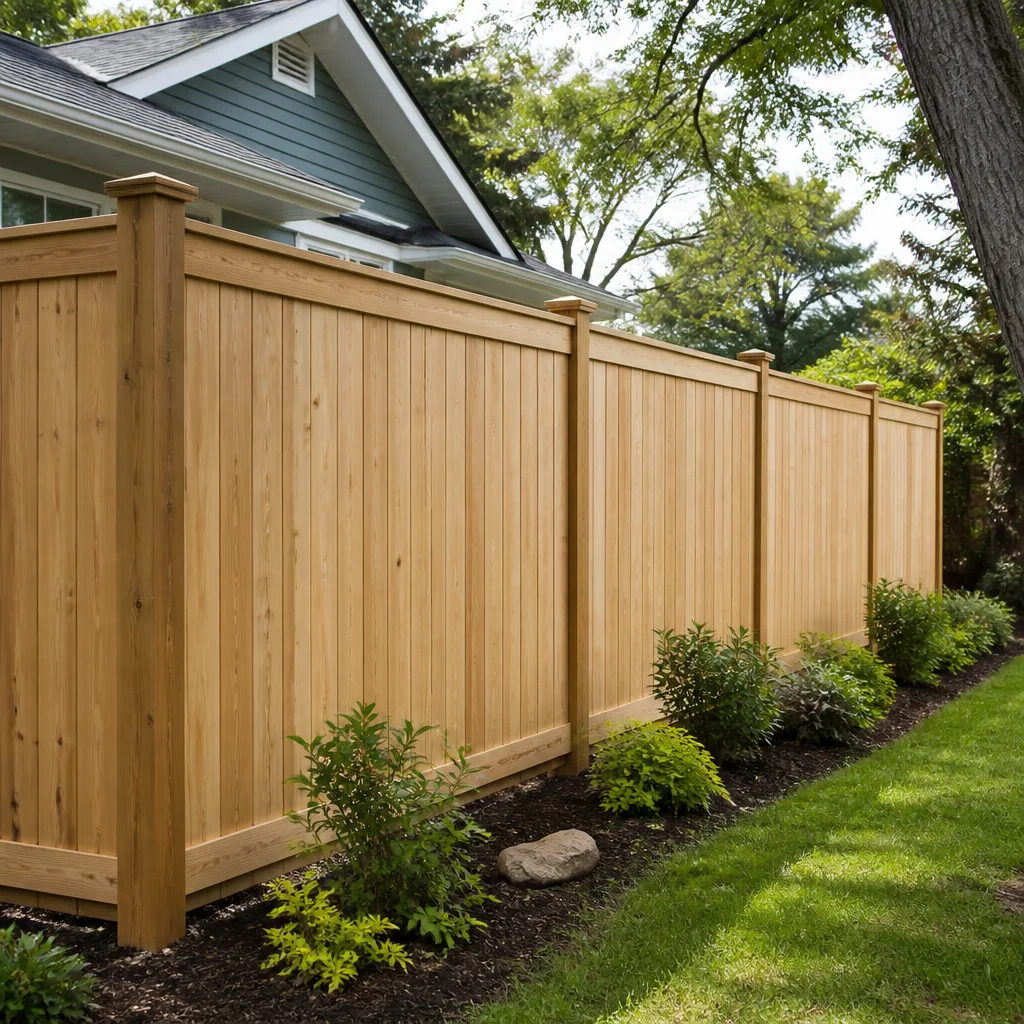
| Fence installation (under 6 feet) | No | None | Low-Moderate | $800-$2,500 (rebuild) |
| Window replacement (same size) | Yes | Moderate | High (water intrusion, energy loss) | $3,000-$8,000 (remediate rot, reflash) |
| Bathroom remodel (full) | Yes | High (4+ inspections) | High (mold, structural, plumbing) | $15,000-$45,000 (gut and correct) |
| Kitchen remodel (full) | Yes | High (4+ inspections) | High (fire, water, structural) | $20,000-$60,000 (gut and correct) |
| Electrical panel upgrade | Yes | High | Severe (fire, electrocution) | $5,000-$15,000 plus potential injury |
| Roof replacement | Yes | Moderate-High | Severe (water damage, collapse) | $10,000-$35,000 (remediate interior damage) |
| Home addition or ADU | Yes | Very High (8+ inspections) | Severe (structural, legal) | $50,000-$200,000 (partial demolition) |
Notice the pattern. The four non-permitted projects carry cosmetic or low-consequence risk, and remediation stays under $3,000. Every permitted project carries high or severe consequence, with remediation starting at $3,000 and scaling rapidly. This isn’t coincidence. Building codes exist because errors in these systems propagate: a bad window install traps moisture that rots framing; a bad electrical connection smolders inside walls; a bad roof pitch in Sunnyvale’s winter rains funnels water into the attic.
The inspection complexity column matters for scheduling. Sunnyvale Building Division inspectors cover structural, electrical, plumbing, and mechanical disciplines separately. A full kitchen remodel requires rough electrical, rough plumbing, insulation, drywall nailing, final electrical, final plumbing, and final building inspection. That’s seven potential visits, each requiring the work to be accessible and the prior inspection passed. Owner-builders often cover work prematurely, forcing destructive access for re-inspection. Licensed contractors sequence trades to keep inspections efficient.
For roofing specifically, Sunnyvale’s combination of Mediterranean climate and occasional severe winter storms makes flashing detail critical. We specify Tamko Heritage shingles or Boral concrete tile on many Sunnyvale projects because both manufacturers publish detailed installation guides that align with Santa Clara County’s wind-uplift requirements. But the material warranty covers manufacturing defects only, not installation error. A DIY roofer who nails too high or misses the drip edge voids even a 50-year shingle warranty. Roofing in Sunnyvale requires understanding soffit ventilation ratios and valley underlayment that most homeowners haven’t encountered.
Where DIY Genuinely Saves Money in Sunnyvale
There are legitimate savings in self-performance, but they’re concentrated in tasks that don’t trigger permit, inspection, or insurance complications. Here are four categories where we’ve seen Sunnyvale homeowners succeed without legal or financial exposure.
Interior painting and decorative finishes. Paint requires no permit, no inspection, and no licensed trade. The risk is entirely cosmetic. A quality DIY paint job in Sunnyvale saves $2,000 to $4,500 on a typical 2,000-square-foot home, assuming you already own or can borrow ladders, sprayers, and drop cloths. The key is surface preparation: scraping failed prior coats, patching nail holes with lightweight spackle, and applying primer over patches before topcoat. Skip the prep, and the finish fails in 18 months instead of lasting 8 to 10 years. We recommend Benjamin Moore Regal or Sherwin-Williams Duration for Sunnyvale’s sun exposure, which degrades cheaper paints faster on south- and west-facing walls.
Cabinet hardware and minor fixture updates. Replacing knobs, pulls, and even faucets on existing sink connections doesn’t require a permit if you’re not modifying supply lines or drain routing. A homeowner in Sunnyvale’s Ponderosa neighborhood recently updated 34 cabinet pulls and 12 knobs for $340 in materials versus a quoted $1,800 with labor. The task requires only a screwdriver, a template for consistent hole placement, and patience. For faucets, the risk is cross-threading supply connections, which causes slow leaks inside cabinets. Use Teflon tape on male threads, hand-tighten plus a quarter turn with a wrench, and check for moisture weekly for a month.
Landscaping without hardscape. Planting, mulching, irrigation timer programming, and even minor grading (under 50 cubic yards, no retaining wall) don’t require permits in Sunnyvale. The savings are substantial: professional landscaping runs $8 to $25 per square foot installed, while DIY material costs run $3 to $8. The risk is plant selection for Sunnyvale’s USDA Zone 9b climate. Mediterranean natives like manzanita and California lilac thrive with minimal summer water; tropical selections like hibiscus require irrigation that conflicts with Santa Clara Valley Water District restrictions during drought years.
Decorative tile backsplash. A kitchen backsplash is small-scale tiling with no waterproofing requirement (unlike a shower), no structural load, and no permit. Material costs for ceramic subway tile run $5 to $12 per square foot; professional installation adds $15 to $25. The skill is thinset consistency, consistent spacing with tile spacers, and clean grout application. Errors are visible but removable: scrape off failed thinset and restart. We recommend Laticrete 254 Platinum thinset for the polymer content that bonds well to painted drywall without additional prep.
The common thread: these tasks don’t penetrate the building envelope, don’t modify MEP systems, and don’t create latent defects that manifest years later. When DIY fails, you see it immediately and fix it for hundreds, not tens of thousands.
How to Hybrid-Structure a Project for Permit Compliance
The most cost-effective approach for many Sunnyvale homeowners isn’t pure DIY or pure contractor, but a structured hybrid where licensed trades handle permitted, high-consequence work and the homeowner performs selected finish tasks. This preserves insurance coverage, satisfies resale disclosure requirements, and captures meaningful labor savings. But it requires explicit documentation.
Step 1: Define the split in the original contract. Your licensed contractor’s written scope must explicitly state which tasks are excluded and reserved for owner performance. Vague language like “homeowner may perform finishing work” creates permit compliance problems when inspectors ask who installed the tile or painted the trim. Specific language: “Owner reserves and shall self-perform: interior painting, cabinet hardware installation, and decorative backsplash tiling. Contractor shall perform all other work and obtain all required permits.”
Step 2: Coordinate permit documentation. Sunnyvale Building Division requires that all work covered by a permit be performed under the licensed contractor’s supervision or by the owner-builder. If you’re not pulling an owner-builder permit, your contractor’s license covers the permitted work, but your self-performed tasks must occur after final inspection or be explicitly excluded from the permit scope. For a Kitchen Remodeling in Sunnyvale project, we typically sequence: contractor completes rough-in through final inspection, then owner paints and installs backsplash. The permit file shows completed, inspected work; the finish tasks happen after permit closure.
Step 3: Maintain photographic and written records. Document the condition of surfaces before your work, your material selections with receipts, and your completed work with dated photos. If a future buyer questions whether your tile installation caused a leak, you need evidence that the waterproofing and plumbing were inspected and passed before you began. Rowan’s standard documented photo record, included on every visit, captures this baseline automatically for our clients who then perform finish work themselves.
Step 4: Verify insurance for your portion. Call your carrier and state explicitly: “I am performing interior painting and decorative tiling myself after a licensed contractor completes permitted electrical, plumbing, and structural work. Is damage from my painting or tiling excluded?” Most carriers will confirm coverage for these cosmetic tasks, but get it in writing. If you’re performing any task that could cause water damage (like a self-installed faucet on existing connections), ask specifically about that scenario.
Step 5: Plan for the timeline impact. Hybrid projects extend duration because your work happens after the contractor’s critical path. A pure contractor kitchen remodel might take 6 to 8 weeks; a hybrid with owner painting and backsplash adds 2 to 4 weeks depending on your available evenings and weekends. Build this into your planning, especially if you’re living in the space during construction.
The Haven Standard’s Clause 1, written price before any work starts, applies to the contractor’s scope only. Your DIY portion carries no warranty from the contractor, which is appropriate because you controlled the work. What you gain is a documented, inspected, insured foundation with controlled finish savings.
Common Mistakes to Avoid
- Pulling an owner-builder permit for electrical or plumbing work. California law prohibits unlicensed performance of these trades even under owner-builder status. Sunnyvale inspectors will red-tag the work, and you’ll pay licensed rates for removal and replacement plus re-inspection fees.
- Assuming your homeowner’s policy covers “improvements.” Most policies cover the structure as it existed at policy inception, not upgrades you’ve added. A $60,000 kitchen remodel that burns due to your faulty wiring may be covered only to the original kitchen’s value, minus the workmanship exclusion.
- Starting demolition before permit issuance. Sunnyvale’s code enforcement responds to visible unpermitted work, and pre-permit demolition can trigger stop-work orders that delay your project by months. The permit application requires existing conditions documentation; demolish first, and you can’t provide it.
- Hiring unlicensed trades through “handyman” referrals. Anyone performing work valued over $500 including materials and labor must hold a CSLB license. The $500 threshold aggregates across a project, not per visit. That “guy who did my neighbor’s bathroom” doing your plumbing for $400 cash is unlicensed if the total project exceeds $500, and your insurance exclusion applies.
- Neglecting the three-year disclosure on quick sales. Sunnyvale’s tech workforce transfers frequently. If there’s any chance you’ll sell within three years, owner-builder permitting creates a disclosure obligation that licensed contractor permitting does not. The buyer’s leverage at negotiation typically exceeds any labor savings.
- Performing finish work before final inspection. Installing backsplash, painting, or flooring before the building inspector signs off means destructive removal for access if the inspector finds a code violation. We’ve seen homeowners in the Cherry Chase neighborhood tear out completed tile because the inspector needed to verify shower pan flood testing.
- Failing to document the contractor’s completed scope before starting DIY. Without photos and inspection records proving the licensed work passed before your contribution, future disputes blur responsibility. Was the leak from the plumber’s joint or your cabinet installation screw?
When to Call a Professional
Call a licensed contractor when your project requires a permit, modifies MEP systems, penetrates the building envelope, or carries inspection complexity beyond your available time and expertise. The threshold isn’t whether you can learn the skill, it’s whether the legal, insurance, and resale consequences of error exceed the labor savings.
Specifically in Sunnyvale: call a professional for any project in a hillside zone with geotechnical requirements, any work on homes built before 1980 with potential asbestos or lead, any electrical panel or service upgrade, any plumbing modification beyond fixture replacement on existing connections, any roof work beyond single-shingle repair, and any structural modification including wall removal for open-concept plans.
Rowan Construction Group Sunnyvale offers free estimates in Sunnyvale. We’ll review your project scope, identify which portions require licensed trades and permits, and quote a flat written price for our portion before any work starts. You can then make an informed decision about hybrid structuring or full contractor performance. Call (650) 405-3637 to schedule.
Frequently Asked Questions
A full professional kitchen remodel in Sunnyvale typically ranges from $45,000 to $85,000 depending on cabinet grade, countertop material, and appliance selections. DIY savings are limited to non-permitted finish tasks: painting ($2,000-$4,500 saved), backsplash installation ($1,500-$3,000 saved), and hardware ($1,000-$1,800 saved). Structural, electrical, plumbing, and cabinetry installation require licensed trades for permit compliance and insurance coverage, so true DIY on a full remodel isn’t legally viable. Call (650) 405-3637 for a line-item written quote that shows exactly where professional labor is required and where you can safely self-perform.
Probably not, if the damage resulted from your own faulty workmanship or unlicensed plumbing. Standard policies exclude “loss caused by faulty, inadequate, or defective workmanship,” and most California carriers add specific exclusions for unpermitted or owner-performed work. The exclusion applies to the resulting damage, not just the repair of your error. To verify, ask your agent specifically: “Does my policy cover water damage from plumbing I performed myself, even with a permit?” Get the answer in writing. For guaranteed coverage, hire a C-36 licensed plumber and ensure the work passes inspection.
Civil Code Section 1102.6 requires disclosure of any construction performed under an owner-builder permit within the prior three years, including the permit number, work description, and inspection status. The disclosure appears on the Transfer Disclosure Statement that sellers provide to buyers. It doesn’t automatically reduce value, but it shifts negotiation dynamics: buyers may request additional inspections, demand contractor verification of the work, or negotiate price reductions. The obligation doesn’t apply to work performed by licensed contractors, which is why many Sunnyvale homeowners planning potential transfers choose professional permitting.
No. Electrical panel replacement requires a C-10 licensed electrician in California, regardless of whether you pull an owner-builder permit. The work involves utility coordination, grounding system verification, and load calculations that are statutorily restricted to licensed professionals. Sunnyvale Building Division will not issue a permit for owner-performed panel work, and unperformed electrical work creates both fire risk and absolute insurance exclusion. For panel upgrades, hire a licensed electrician and obtain the permit in their name.
Search the contractor’s license number at cslb.ca.gov to confirm status, bond, and workers’ compensation coverage. Request a certificate of insurance directly from their carrier, not from the contractor, naming you as additional insured for the project duration. Verify the policy includes general liability ($1 million minimum is standard) and workers’ compensation (required if they have employees). For Bathroom Remodeling in Sunnyvale or any trade, Rowan provides license verification and insurance certificates on request, with no expiration during your project.
PGT and CGI both manufacture vinyl and aluminum windows that perform well in Sunnyvale’s Mediterranean climate, with low-E coatings and argon fill that meet Title 24 energy requirements. However, window replacement requires a permit in Sunnyvale for any unit not identical in size to the existing rough opening, and proper installation requires flashing integration with the weather-resistant barrier, sill pan installation, and foam sealant application that prevents air and water intrusion. Failed window installs cause concealed rot in Sunnyvale’s occasional heavy winter rains. We recommend professional installation with documented water-testing at completion.
The Bottom Line
The DIY versus professional decision in Sunnyvale is a legal and financial calculation more than a skill assessment. California’s owner-builder framework permits self-performance on many projects, but the three-year resale disclosure, insurance exclusions for unpermitted or unlicensed work, and inspection complexity of modern building codes create hidden costs that erase labor savings on structural, electrical, plumbing, and envelope work. DIY makes sense for cosmetic, non-permitted finish tasks where errors are visible, immediately correctable, and financially contained. For everything else, the documented, insured, and warranted work of a licensed contractor protects your property value and your financial exposure. If you’re considering a project and want clarity on which portions require professional licensing, explore our more guides & resources or call for a free estimate with line-item scope documentation.
Written by Grant Rowan, Owner at Rowan Construction Group Sunnyvale, serving Sunnyvale since 2007.